← Analysis
AnalysisDeep Research
Iran Faces New Sanctions Impacting Energy and Regional Trade
Examining the impact of recent sanctions on Iran's energy sector and regional trade.
Qatar Standard Editorial·Saturday, April 18, 2026·8 min read
On October 12, 2023, the United States, in coordination with the European Union, imposed a new set of stringent sanctions targeting Iran's energy sector. These measures mark a significant escalation in the ongoing geopolitical tensions surrounding Iran's nuclear program. The sanctions specifically aim to curtail Iran's oil exports, which have long been a crucial component of its economy, by targeting entities involved in the production, sale, and transportation of Iranian petroleum products.
The new sanctions are part of a broader strategy to exert maximum economic pressure on Tehran, with the goal of compelling the Iranian government to return to compliance with the Joint Comprehensive Plan of Action (JCPOA). The sanctions include restrictions on financial transactions related to Iranian oil, effectively isolating Iran from the international financial system. Additionally, the measures extend to companies and individuals facilitating the storage and transport of Iranian oil, thereby aiming to disrupt the entire supply chain.
The enactment of these sanctions follows a series of diplomatic efforts that failed to bring Iran back to the negotiating table under terms acceptable to the U.S. and its allies. The European Union, while historically more inclined towards diplomatic engagement, has aligned with the U.S. in this instance, citing Iran's continued advancement of its nuclear capabilities as a primary concern. The sanctions are designed to be comprehensive, leaving little room for Iran to maneuver economically without significant concessions.
This latest round of sanctions is expected to have profound implications not only for Iran's economy but also for regional trade dynamics, as Iran is a key player in the Middle East's energy landscape. The restrictions on Iran's energy sector could lead to shifts in trade patterns, affecting both regional and global markets. As the situation develops, the international community remains watchful of Iran's response and the potential for further escalation.
Historically, sanctions on Iran have had a profound impact on its energy sector and regional trade dynamics. The most notable instance occurred in 2012 when the European Union imposed an oil embargo, significantly reducing Iran's oil exports. This embargo, combined with U.S. sanctions, led to a dramatic decline in Iran's oil production, which fell from approximately 3.7 million barrels per day in 2011 to around 2.7 million barrels per day by 2013. The sanctions effectively restricted Iran's access to global markets, causing a sharp decrease in revenue and forcing the country to seek alternative, often clandestine, methods to sell its oil.
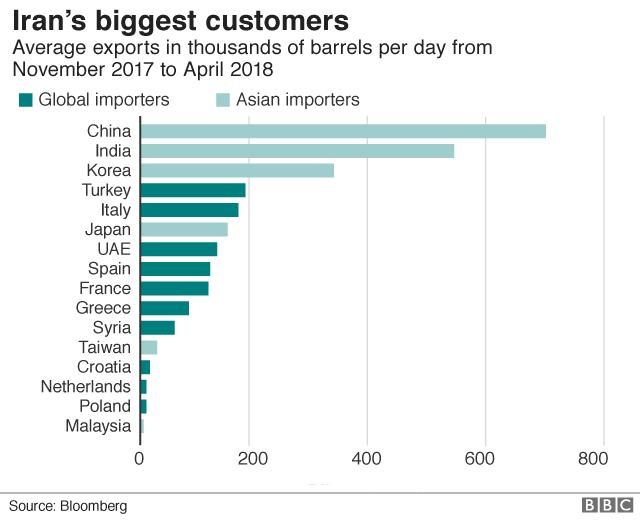
The impact of these sanctions extended beyond Iran's borders, influencing regional trade dynamics. Countries heavily reliant on Iranian oil, such as India and China, had to diversify their sources, leading to increased trade with other oil-producing nations in the Gulf. This shift not only altered trade patterns but also affected geopolitical alliances, as countries recalibrated their foreign policies to align with new economic realities.
Compared to previous sanctions, the current measures are more comprehensive and target a broader range of entities involved in the Iranian energy sector. While past sanctions primarily focused on oil exports, the new sanctions encompass the entire supply chain, including financial transactions and logistical support. This approach aims to close loopholes that Iran previously exploited, thereby exerting greater economic pressure.
The historical precedent suggests that while sanctions have succeeded in exerting economic pressure on Iran, they have also led to unintended consequences, such as increased regional tensions and shifts in trade alliances. As Iran navigates these challenges, the global community remains attentive to the broader implications for regional stability and economic integration.
The imposition of new sanctions on Iran involves a complex web of international and regional actors, each with distinct positions and interests. The United States has been at the forefront, driving the sanctions with the intent to curb Iran's nuclear ambitions and limit its regional influence. The U.S. administration has articulated that these measures are necessary to bring Iran back to the negotiating table under terms that ensure regional and global security.
The European Union, traditionally a proponent of diplomatic engagement, has aligned itself with the U.S. in this instance. The EU's support is grounded in concerns over Iran's nuclear program, particularly following reports of increased uranium enrichment activities. The EU's alignment marks a significant shift, as it underscores a unified Western front aimed at exerting maximum economic pressure on Tehran.
Among regional stakeholders, Israel has been a vocal supporter of the sanctions, viewing Iran's nuclear capabilities as an existential threat. Israeli officials have consistently advocated for stringent measures to prevent Iran from acquiring nuclear weapons. Conversely, countries like China and Russia have expressed opposition to the sanctions, citing the need for dialogue and warning against actions that could destabilize the region further.
In the Gulf, nations such as Saudi Arabia and the United Arab Emirates have welcomed the sanctions, seeing them as a means to counterbalance Iran's influence in the region. Qatar, while maintaining a more neutral stance, has expressed concern over potential disruptions to regional trade and energy markets, given its strategic interests in maintaining stable economic relations with all parties involved.
Statements from major powers reflect a spectrum of strategies and concerns, with the overarching goal of ensuring regional stability while addressing the challenges posed by Iran's policies. The international community remains divided, with ongoing debates about the efficacy and humanitarian impact of such sanctions.
The recent sanctions on Iran are underpinned by a complex legal framework that aligns with international law, primarily through the application of United Nations resolutions and national legislative measures. The United States, a key architect of these sanctions, has utilized its domestic legal instruments, such as the Iran Freedom and Counter-Proliferation Act of 2012, to target Iran's energy sector comprehensively. This legislation empowers the U.S. to impose penalties on entities engaging in significant transactions with Iran's petroleum industry.
At the international level, the sanctions are reinforced by UN Security Council resolutions that address Iran's nuclear activities. Resolution 2231, adopted in July 2015, endorsed the Joint Comprehensive Plan of Action (JCPOA) and outlined the conditions under which sanctions could be re-imposed if Iran violated the agreement. Although the U.S. withdrew from the JCPOA in 2018, it has argued that its unilateral sanctions are consistent with the objectives of Resolution 2231, which aims to prevent Iran from developing nuclear weapons.
The European Union has also enacted its own set of restrictive measures, which are designed to complement the UN's efforts and are implemented through the EU's Common Foreign and Security Policy. These measures focus on restricting trade in sensitive goods and technologies that could contribute to Iran's nuclear program.
While the legal frameworks for these sanctions are robust, they have sparked debate over their alignment with broader principles of international law, particularly concerning humanitarian impacts. Critics argue that the sanctions may contravene international human rights obligations by exacerbating the economic hardships faced by Iranian civilians. Nonetheless, the sanctions remain a key tool for the international community in its efforts to pressure Iran to comply with global nuclear non-proliferation norms.
The imposition of new sanctions on Iran has significantly impacted the daily lives of Iranian civilians, exacerbating existing economic challenges. Reports indicate that the sanctions have led to increased inflation and a devaluation of the Iranian rial, making essential goods and services less affordable for the average citizen. The cost of living has surged, with prices of basic necessities such as food and medicine rising sharply. This economic strain is particularly acute for vulnerable populations, including low-income families and those requiring medical care.
Non-governmental organizations (NGOs) have raised alarms about the humanitarian implications of these sanctions. Organizations such as Human Rights Watch and Amnesty International have documented the adverse effects on access to healthcare, highlighting shortages of critical medications and medical supplies. These shortages are attributed to the difficulties faced by Iranian importers in securing necessary goods due to financial restrictions and the reluctance of international companies to engage in trade with Iran, fearing repercussions under the sanctions regime.
In response, several NGOs have intensified their aid efforts, focusing on providing humanitarian assistance to mitigate the impact on the most affected groups. Initiatives include distributing food packages, supplying essential medicines, and offering financial support to families in dire need. However, these efforts are often hampered by logistical challenges and the overarching financial constraints imposed by the sanctions.
Humanitarian concerns have been raised by various international bodies, urging a reevaluation of the sanctions to ensure that they do not disproportionately harm civilians. Calls for the implementation of humanitarian exemptions within the sanctions framework have been made, aiming to facilitate the flow of essential goods and services to Iran without undermining the broader objectives of the sanctions. Despite these appeals, the situation remains precarious, with the civilian population bearing the brunt of the economic and social fallout from the ongoing geopolitical tensions.
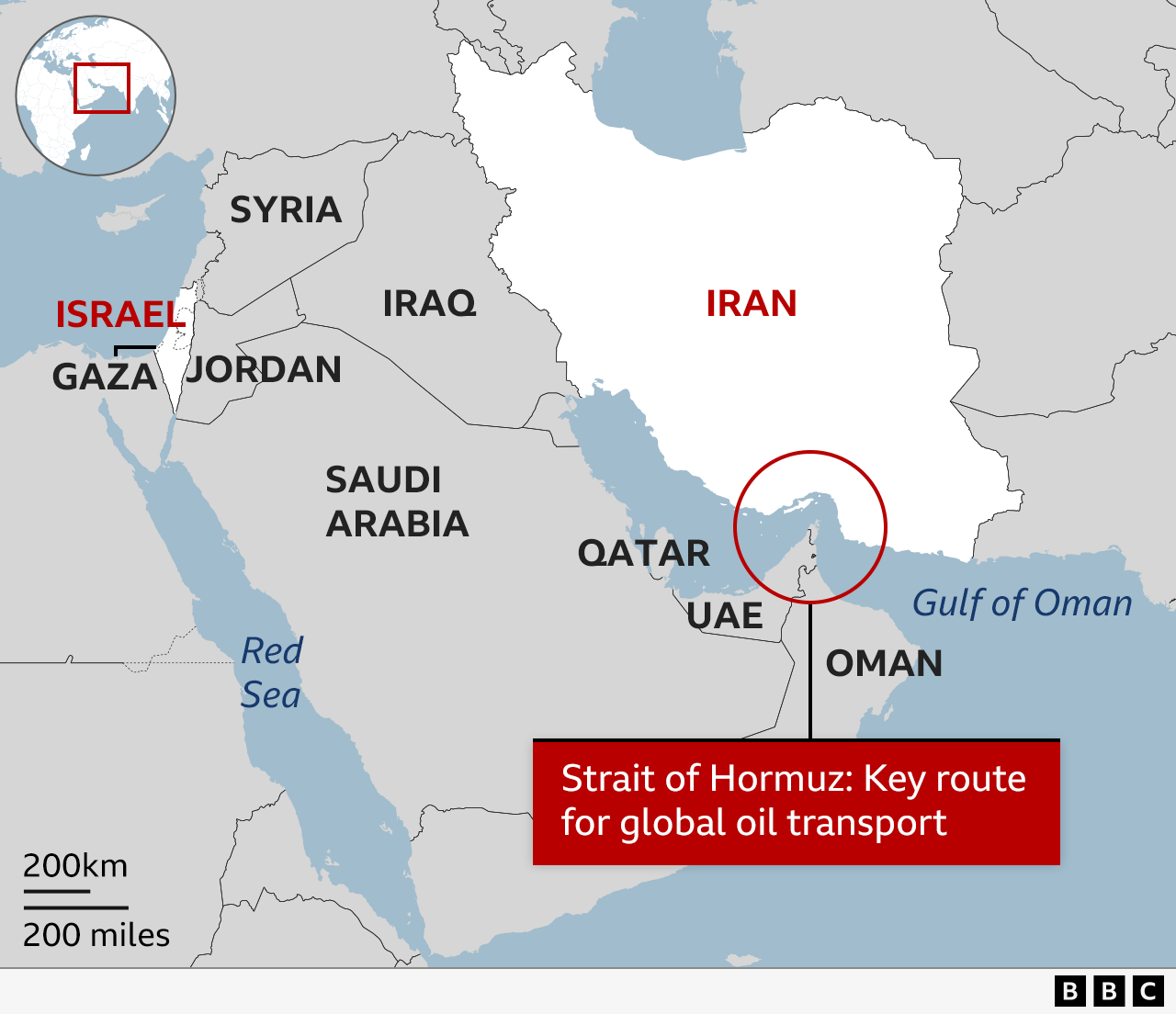
The imposition of new sanctions on Iran is poised to have significant ramifications for the Gulf region, particularly affecting Qatar's economic and strategic interests. As a major player in the global energy market, Qatar is closely monitoring the developments in Iran's energy sector, given their shared interests in the natural gas reserves of the South Pars/North Dome field, the world's largest gas field. Any disruptions in Iran's ability to export energy could potentially alter market dynamics, influencing global energy prices and impacting Qatar's own export strategies.
Strategically, Qatar has maintained a delicate balance in its relations with Iran, often acting as a mediator in regional disputes while simultaneously aligning with Western powers. The new sanctions could complicate this balancing act, as Qatar navigates its diplomatic and economic ties with both Iran and its Western allies. The sanctions may also lead to shifts in regional trade patterns, as countries in the Gulf seek to adjust their economic policies in response to the evolving situation. This could present both challenges and opportunities for Qatar, as it seeks to capitalize on any potential gaps in the market left by Iran's constrained trade capabilities.
Furthermore, the broader economic landscape of the Gulf region could experience shifts as countries reassess their energy and trade alliances. The sanctions might prompt Gulf Cooperation Council (GCC) members to explore alternative markets and strengthen intra-regional trade to mitigate potential disruptions. For Qatar, this could mean enhancing its role as a key energy supplier and trade hub within the region, leveraging its strategic location and robust infrastructure to attract new partnerships and investments.
Overall, while the sanctions on Iran present certain risks, they also offer Qatar an opportunity to reinforce its economic and strategic standing in the Gulf, provided it can adeptly navigate the complex geopolitical environment and capitalize on emerging regional dynamics.
The reaction to the new sanctions on Iran from regional powers and the international community has been varied, reflecting the complex geopolitical landscape. Neighboring countries such as Iraq and Turkey have expressed concerns over the potential destabilizing effects on regional trade and security. Iraq, which shares a long border with Iran, fears disruptions in cross-border commerce and energy supplies. Turkey, an important trading partner of Iran, has criticized the sanctions, arguing they could exacerbate economic challenges in the region.
Globally, the European Union has maintained a cautious stance, emphasizing the need for diplomacy and urging the United States to consider the humanitarian impact of the sanctions. Russia and China, both key players in the region, have openly opposed the sanctions, viewing them as a unilateral move that undermines multilateral agreements, such as the Joint Comprehensive Plan of Action (JCPOA). These countries have called for dialogue and have indicated their willingness to continue economic engagements with Iran, potentially circumventing the sanctions.
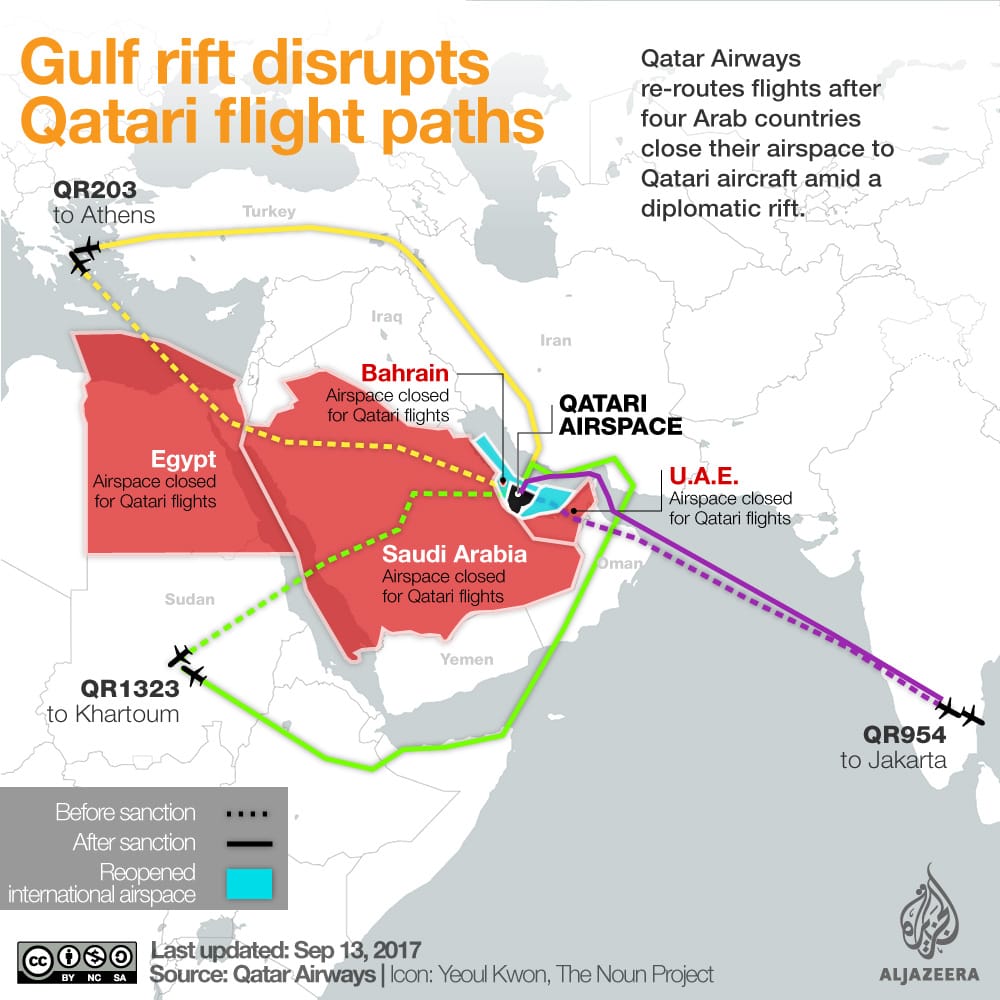
Diplomatically, the sanctions could lead to increased tensions between the United States and its allies, particularly if humanitarian concerns are not adequately addressed. The potential for a diplomatic rift within the Gulf Cooperation Council (GCC) also looms, as member states navigate their individual relationships with Iran and the West. The sanctions may compel regional actors to reassess their foreign policies, potentially leading to new alliances or a reconfiguration of existing ones.
Looking forward, the situation remains fluid, with several scenarios possible. The international community will closely monitor Iran's response, particularly any moves to escalate its nuclear program or disrupt regional security. The effectiveness of the sanctions in altering Iran's behavior will be a key metric, as will the ability of regional powers to adapt to the shifting economic landscape. Ultimately, the unfolding developments will test the resilience of diplomatic channels and the capacity for cooperative solutions in a region fraught with longstanding tensions.