


← Analysis
AnalysisDeep Research
Turkey's F-35 Deal: Trump Approved, Israel's Blockade and Its Regional Repercussions
Turkey's exclusion from the F-35 program due to Israel's opposition raises critical NATO and Middle Eastern implications.
Qatar Standard Editorial·Friday, February 27, 2026·8 min read
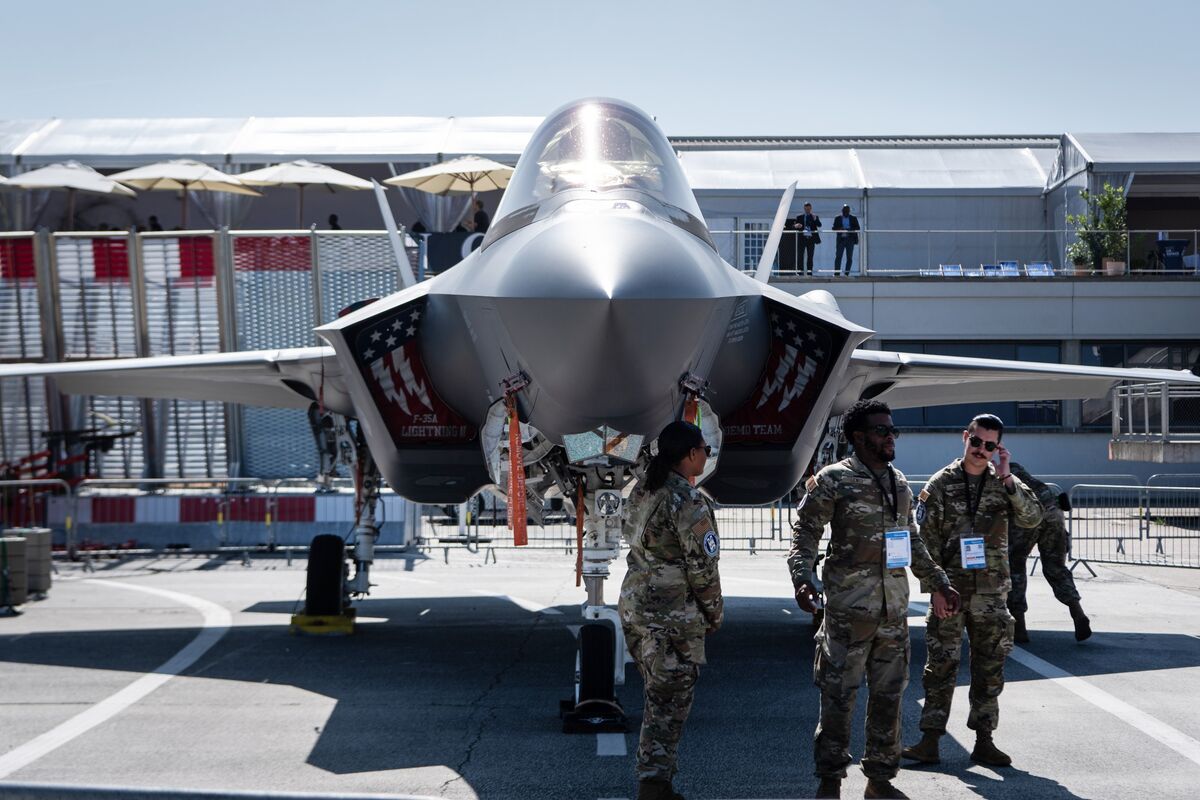
Turkey's exclusion from the F-35 Joint Strike Fighter program is a direct consequence of its decision to purchase the Russian S-400 missile defense system, a move that has significantly altered its defense relations with the United States and NATO. The U.S. officially removed Turkey from the F-35 program in July 2019, a decision that was finalized in March 2020 when Turkey lost its production work on the jet, as reported by Defense News. This exclusion stemmed from Turkey's acquisition of the S-400 system, which is incompatible with NATO's integrated air defense systems, as noted by Brookings.
The roots of this geopolitical rift trace back to 2017 when Turkey decided to procure the S-400 from Russia, despite being a NATO member. This decision was driven by Ankara's dissatisfaction with the terms offered by the U.S. for the Patriot missile system, particularly concerning licensed production and technology transfer, which Washington was unwilling to grant. As a result, Turkey sought alternatives and finalized the S-400 deal with Russia, as detailed by Defense One.
Despite the significant impact on U.S.-Turkish defense cooperation, there have been indications that Turkey might reconsider its stance on the S-400 to re-enter the F-35 program. Reports from Мілітарний and Zona Militar suggest that Turkey is prepared to abandon the S-400 systems to regain access to the F-35s, highlighting the ongoing strategic importance Ankara places on this advanced fighter jet.
Israel's opposition to Turkey acquiring F-35s further complicates the situation. While specific reasons for this opposition are not detailed in the sources, it is likely rooted in regional security dynamics and Israel's concerns over maintaining its qualitative military edge in the region. The evolving geopolitical landscape, marked by new alliances and shifting power balances, continues to influence the discourse around Turkey's potential re-entry into the F-35 program.
The acquisition of the S-400 missile defense system from Russia marked a critical juncture in U.S.-Turkey relations, reflecting deeper strategic divergences between Ankara and its NATO allies. The decision to procure the S-400 was not made in isolation but was the culmination of a series of unmet defense needs and geopolitical calculations. Following the downing of a Russian jet by Turkey in 2015, Ankara faced an urgent need to bolster its air defense capabilities amid the escalating conflict in Syria. Initially, Turkey sought to address this vulnerability through the acquisition of the U.S.-made Patriot missile system. However, negotiations with Washington stalled over Ankara's demands for technology transfer and licensed production, which the U.S. was unwilling to accommodate, as documented by Defense One.
Faced with these constraints, Turkey turned to Russia, finalizing the S-400 deal in 2017. This decision was a significant departure from NATO's integrated defense strategy, as the S-400 system is incompatible with the alliance's air defense infrastructure. The purchase not only strained Turkey's relations with the United States but also raised concerns among other NATO members about the security implications of integrating Russian technology into a member state's defense apparatus. The incompatibility of the S-400 with NATO systems was a primary reason for Turkey's subsequent exclusion from the F-35 program, as highlighted by Brookings.
This move also signaled a broader shift in Turkey's foreign policy orientation, suggesting a willingness to diversify its defense partnerships beyond traditional Western allies. While the S-400 purchase addressed immediate defense needs, it came at a significant cost to Turkey's strategic relationship with the U.S. and its standing within NATO. The potential for Turkey to reverse course by relinquishing the S-400 systems, as reported by sources such as Мілітарний, indicates an awareness of the long-term strategic benefits of maintaining strong ties with NATO and access to advanced Western military technology like the F-35. Nonetheless, the S-400 acquisition remains a pivotal moment that continues to shape the contours of U.S.-Turkey relations and the broader geopolitical landscape in the region.
Israel's opposition to Turkey acquiring F-35 fighter jets is deeply rooted in strategic and security considerations that are influenced by the complex geopolitical dynamics of the Middle East. The F-35, being one of the most advanced fighter jets in the world, represents a significant enhancement in military capability. For Israel, which has historically maintained a qualitative military edge over its neighbors, the prospect of Turkey acquiring such advanced technology poses a potential challenge to this strategic advantage.
One of the primary concerns for Israel is the potential shift in the regional balance of power. The acquisition of F-35s by Turkey could alter the military dynamics in the Eastern Mediterranean and beyond, potentially enabling Ankara to project power more effectively in areas where Israeli interests are at stake. This is particularly pertinent given the historical tensions between Israel and Turkey, which have fluctuated over the years, especially under the leadership of President Recep Tayyip Erdogan, whose policies have often been at odds with Israeli interests.
Moreover, the evolving geopolitical landscape, marked by the normalization of relations between Israel and several Gulf states, including the United Arab Emirates, adds another layer of complexity. This normalization, as noted by sources such as Brookings, has positioned Israel more firmly within a bloc of states that are wary of Turkey's regional ambitions. The strengthening of ties between Israel and the UAE, for instance, underscores a shared interest in counterbalancing Turkish influence in the region.
Israel's apprehension is further compounded by the unpredictability of Turkey's foreign policy, which has seen Ankara pursuing a more assertive and independent course in recent years. This includes military interventions in Syria and Libya, as well as contentious maritime claims in the Eastern Mediterranean. The potential introduction of F-35s into Turkey's arsenal could embolden such policies, thereby increasing regional tensions and complicating Israel's security calculus.
In summary, Israel's opposition to Turkey's acquisition of F-35s is driven by a combination of maintaining its qualitative military edge, concerns over regional power shifts, and the broader implications of Turkey's assertive foreign policy. These factors collectively shape Israel's strategic stance, influencing its diplomatic and military engagements in the region.
The exclusion of Turkey from the F-35 Joint Strike Fighter program presents a significant challenge for NATO, as it seeks to maintain cohesion while addressing the strategic needs of its member states. Turkey's removal from the program in July 2019, as confirmed by sources such as Defense News, was primarily due to its acquisition of the Russian S-400 missile defense system. This decision has not only strained U.S.-Turkey relations but also raised broader questions about Turkey's role within the alliance and its commitment to NATO's collective defense framework.
NATO's dilemma is compounded by the need to balance Turkey's strategic importance with the security concerns of other member states, notably Israel. Turkey's geographic position at the crossroads of Europe and Asia makes it a critical player in regional security dynamics, particularly in the context of Middle Eastern conflicts and the ongoing instability in Syria and Iraq. The alliance must navigate these complexities while ensuring that Turkey remains aligned with NATO's strategic objectives and military standards.
The potential for Turkey to reverse its course by relinquishing the S-400 systems, as suggested by reports from Мілітарний, indicates a possible path toward reintegration into the F-35 program. However, this would require careful diplomatic negotiations to address the underlying issues that led to Turkey's initial decision to purchase the S-400s. The U.S. and other NATO members would need to consider Turkey's demands for technology transfer and joint production, which were key sticking points in the failed Patriot missile negotiations.
Furthermore, NATO must consider the implications of Turkey's exclusion on its collective defense posture. The F-35 program is a cornerstone of NATO's air power capabilities, and Turkey's absence could impact the alliance's operational effectiveness in the region. At the same time, NATO must be mindful of Israel's security concerns, given the historical tensions between Israel and Turkey and the potential for regional power shifts should Turkey acquire advanced military technology.
Ultimately, NATO's ability to balance Turkey's strategic role with regional security concerns will be crucial in maintaining the alliance's cohesion and effectiveness. This requires a nuanced approach that addresses the diverse interests of its member states while reinforcing NATO's commitment to collective defense and regional stability.
The exclusion of Turkey from the F-35 program and its pursuit of alternative military partnerships could potentially catalyze a new arms race in the Middle East. As Turkey seeks to compensate for the loss of the F-35s, it has turned to other military options, such as the Eurofighter Typhoon, although this too has faced obstacles, such as Germany's recent ban on the sale of Eurofighters to Turkey in April 2025. This indicates a broader geopolitical shift as Turkey seeks to diversify its military acquisitions and partnerships beyond traditional Western allies.
Turkey's strategic pivot could lead to a realignment of military alliances in the region. The growing ties between Turkey and non-NATO countries, including Russia, as evidenced by the S-400 purchase, suggest a potential shift in Turkey's defense orientation. This could influence the military strategies of neighboring countries and prompt them to reassess their own defense postures. Countries like Israel, which has historically maintained a qualitative military edge in the region, may feel compelled to enhance their own military capabilities in response to Turkey's evolving defense strategy.
Moreover, the dynamics between Turkey, Israel, and the Gulf states could further reshape regional alliances. The normalization of relations between Israel and several Gulf states, such as the United Arab Emirates, has already introduced new strategic considerations in the region. As Turkey seeks to assert its influence, these countries may seek closer cooperation with Israel to counterbalance Turkey's military ambitions. This could lead to a more polarized regional landscape, with countries aligning based on shared security interests and perceived threats.
In this context, the potential for an arms race is heightened as countries seek to secure advanced military technologies and strengthen their defense capabilities. The introduction of new weapons systems and the formation of new alliances could increase regional tensions and complicate efforts to maintain stability. As such, the geopolitical landscape of the Middle East is poised for significant changes, with Turkey's exclusion from the F-35 program serving as a catalyst for these developments.
The future of Turkey's participation in the F-35 program remains uncertain, yet there are indications that Ankara is willing to make concessions to mend its relationship with the United States and regain access to the advanced fighter jets. Reports suggest that Turkey is prepared to abandon its Russian S-400 missile systems, a primary reason for its expulsion from the F-35 program in 2019. This move could potentially pave the way for Turkey's reintegration into the program, contingent upon successful diplomatic negotiations and assurances of regional stability.
Turkey's exclusion from the F-35 program was a direct consequence of its 2017 decision to procure the S-400 systems from Russia, which are incompatible with NATO's defense infrastructure. This decision was seen as a significant divergence from NATO's defense posture, prompting the U.S. to officially remove Turkey from the F-35 program by March 2020. However, recent developments indicate a potential shift in Turkey's defense strategy, as Ankara seeks to realign itself with Western military standards.
For Turkey to rejoin the F-35 program, several scenarios could unfold. Firstly, Turkey would need to dismantle or transfer the S-400 systems, a step that would require careful negotiation with both the U.S. and Russia. Secondly, Turkey's reintegration would likely involve renewed discussions on defense cooperation and technology sharing, areas that previously stalled due to disagreements over the S-400 acquisition. The timeline for these developments is uncertain, but diplomatic efforts could gain momentum if Turkey demonstrates a clear commitment to aligning with NATO's defense protocols.
Observers should watch for signals of diplomatic engagement between Ankara and Washington, as well as any legislative actions in the U.S. Congress that could facilitate Turkey's return to the F-35 program. The outcome of these negotiations will have significant implications for regional security dynamics, particularly in the context of Turkey's relations with Israel and the Gulf states. Ultimately, Turkey's potential reentry into the F-35 program will hinge on its ability to balance its strategic interests with the expectations of its NATO allies, thereby shaping the future trajectory of its defense policy and regional influence.
More Analysis