

طموحات إثيوبيا في البحر الأحمر تُشعل التوتر مع إريتريا على أعتاب الخليج

تحوّل المطلب الإثيوبي المتجدد، الذي يقوده رئيس الوزراء آبي أحمد، بالحصول على منفذ سيادي على البحر الأحمر إلى واحدة من أخطر بؤر التوتر في القرن الأفريقي، مع ورود أنباء عن تحريك كل من إثيوبيا وإريتريا قواتٍ نحو حدودهما المشتركة. وبعد أشهر من حرب التصريحات، بات هذا التصعيد يثير مخاوف حقيقية من نشوب نزاع على ساحلٍ يقع مباشرةً قبالة شبه الجزيرة العربية.
ويقع في صلب النزاع ميناء عصب الإريتري، الذي يبعد نحو 60 كيلومتراً عن الحدود الإثيوبية. فإثيوبيا، أكثر دول العالم سكاناً من بين الدول الحبيسة، فقدت منفذها البحري المباشر عند استقلال إريتريا عام 1993، وتمرّر منذ ذلك الحين معظم تجارتها عبر جارتها جيبوتي. وقد وصف آبي استعادة منفذ بحري بأنها مسألة "وجودية" لبلدٍ يضم أكثر من 120 مليون نسمة، مقروناً بخطاب قومي حاد تضمّن صوراً لجنود وشعاراً مفاده أن إثيوبيا "لن تبقى حبيسة، شاؤوا أم أبوا".
وقد فسّر الرئيس الإريتري أسياس أفورقي تلك التصريحات بوصفها تهديداً مباشراً لسيادة بلاده، وردّ عليها بحدة عبر القنوات الدبلوماسية، فيما يُقال إن الطرفين يعزّزان مواقعهما قرب الحدود. ولم تُسجَّل أي اشتباكات، لكن محللين يصفون الوضع بأنه برميل بارود، يتراكم فوق التداعيات غير المحسومة لحرب تيغراي في إثيوبيا وانهيار الدولة في السودان المجاور.
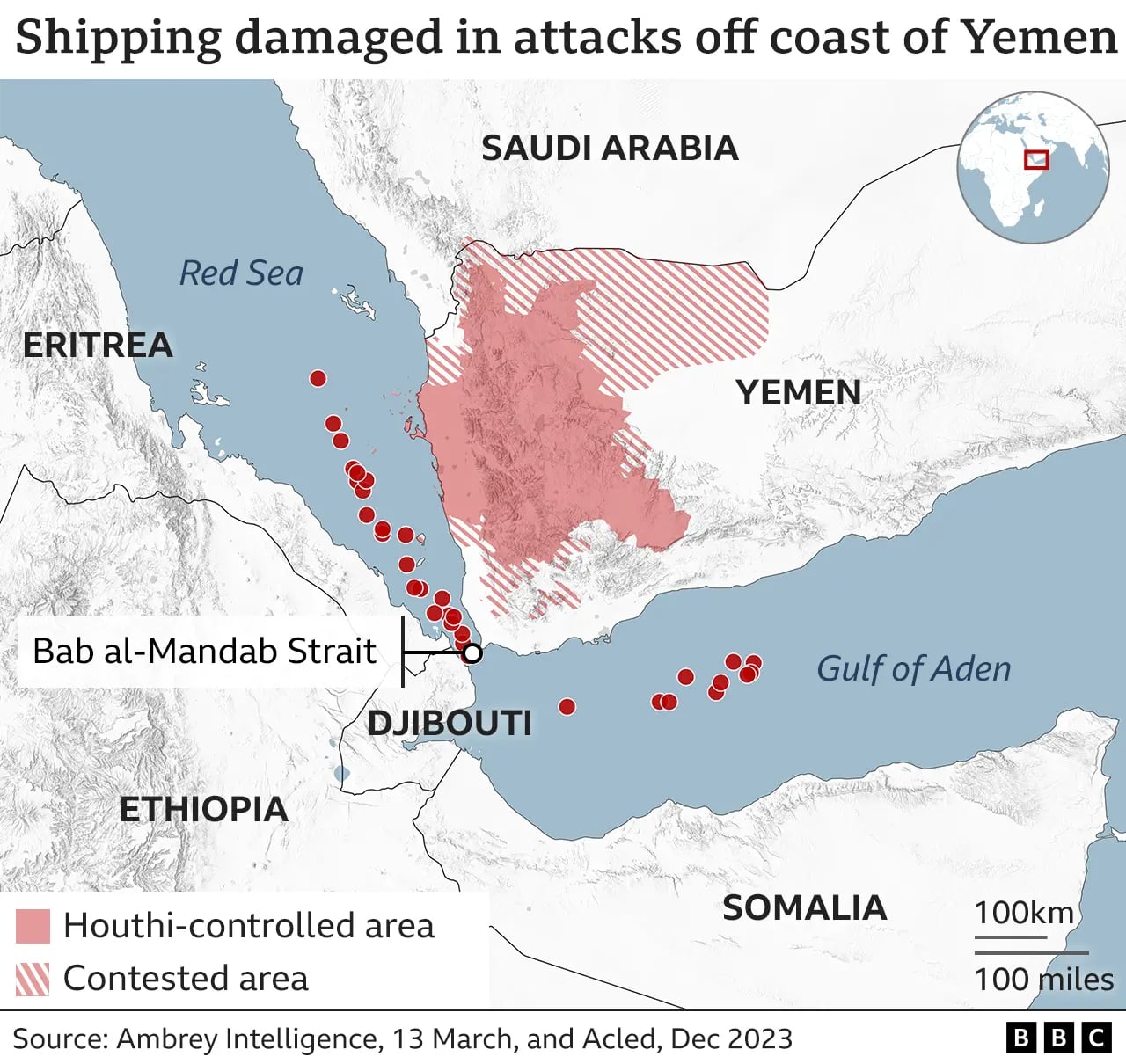
وهذا الخلاف ليس شأناً أفريقياً بعيداً. فالبحر الأحمر ومضيق باب المندب يحملان حصة كبيرة من حركة الطاقة والحاويات التي تغذّي اقتصادات الخليج، وقد أنفقت دول الخليج العقد الماضي في استثمارات ضخمة في موانئ القرن الأفريقي ومراكزه اللوجستية ومنشآته العسكرية على هذا الساحل بالذات. ومن شأن صراع مسلح حول عصب أن يضع جيشين على ممرٍ مائي تعتمد عليه تجارة الخليج، في وقتٍ تتركّز فيه الأنظار أصلاً على تهديدات حرية الملاحة إلى الشمال.
وقد فضّلت الدوحة على الدوام الوساطة على التصعيد في القرن الأفريقي، وأي انزلاق نحو نزاع مفتوح بين أديس أبابا وأسمرة سيختبر هذا النهج. وحتى الآن تبقى الأزمة في إطار التصعيد الكلامي والاستعراض العسكري لا الحرب المفتوحة — لكن مع تمسك العاصمتين بموقفيهما وكون الجائزة ميناءً استراتيجياً على البحر الأحمر، يتقلّص هامش الخطأ في الحساب.
English Version
Ethiopia's Red Sea Ambitions Rekindle Eritrea Tensions on the Gulf's Doorstep
Ethiopian Prime Minister Abiy Ahmed's renewed demand for sovereign access to the Red Sea has hardened into one of the Horn of Africa's most dangerous flashpoints, with both Ethiopia and Eritrea reported to be moving troops toward their shared border. The standoff, largely a war of words for months, is now stoking genuine fears of conflict along a coastline that sits directly across the water from the Arabian Peninsula.
At the centre of the dispute is the Eritrean port of Assab, roughly 60 kilometres from the Ethiopian frontier. Ethiopia, the most populous landlocked country in the world, lost its direct sea access when Eritrea became independent in 1993 and has since routed the bulk of its trade through neighbouring Djibouti. Abiy has framed regaining a coastline as "existential" for a nation of more than 120 million people, pairing the argument with pointed nationalist messaging — including imagery of soldiers and the slogan that Ethiopia "will not be landlocked, whether they like it or not."
Eritrean President Isaias Afwerki has read those statements as a direct threat to his country's sovereignty and pushed back sharply through diplomatic channels, while both sides are said to be reinforcing positions near the border. No fighting has been reported, but analysts describe the situation as a powder keg, layered on top of the unresolved aftermath of Ethiopia's Tigray war and the state collapse next door in Sudan.
المصدر
دفع آبي أحمد نحو منفذ سيادي على البحر الأحمر، مع تركيز على ميناء عصب الإريتري، دفع الجيشين إلى حشد القوات على الحدود، ما أعاد مخاوف الحرب على ساحل لا يمكن للخليج تجاهله.
المزيد من القصص
 أفريقيا
دانجوت وإثيوبيا تبنيان خط أنابيب وقود بـ 660 مليون دولار في جيبوتي
 سياسة
سياسةالحوثيون يعلنون عدم استهدافهم السفن الأمريكية في البحر الأحمر
 أفريقيا
الحوثيون يصعدون الضغط على المصالح المصرية في البحر الأحمر
 إيران
إيرانإيران تستخدم أسلحة موجهة دقيقة ضد القوات البحرية الأمريكية
 اقتصاد