

Hormuz: A Data Black Hole

The Strait of Hormuz has become a data void, with GPS jamming and AIS blackouts threatening global oil markets as ships passing through the critical waterway are increasingly disappearing from tracking systems. The Strait of Hormuz is a critical chokepoint for international oil trade, with a significant portion of the world's oil passing through it every day, and the lack of data on ship movements is causing concerns among traders, shipping companies, and governments. This data blackout is not only affecting the oil market but also raising security concerns, as the inability to track ships in real-time makes it difficult to respond to potential threats or incidents.
The Strait of Hormuz is one of the most important shipping lanes in the world, with millions of barrels of oil passing through it every day. The lack of data on ship movements is making it difficult for traders to predict oil prices, and for shipping companies to navigate the waterway safely. The use of GPS jamming and AIS blackouts is not new, but the frequency and severity of these incidents have increased in recent months, causing concerns among stakeholders. The AIS system is a critical tool for tracking ships, and its blackout is making it difficult for authorities to monitor ship movements and respond to potential incidents.
The impact of this data void is being felt globally, as oil prices are becoming increasingly volatile, and shipping companies are having to take extra precautions to navigate the waterway safely. The lack of data is also making it difficult for authorities to investigate incidents, such as ship collisions or oil spills, and to respond to potential security threats. The international community is calling for increased transparency and cooperation to address this issue, and to ensure the safe and secure passage of ships through the Strait of Hormuz.
The situation in the Strait of Hormuz is of great concern from a Qatar and Gulf perspective, as the region is heavily reliant on the safe and secure passage of ships through the waterway. Qatar, as a major oil and gas producer, is particularly vulnerable to disruptions in the Strait of Hormuz, and is working closely with its regional and international partners to address the issue. The Qatari government is also investing in new technologies and systems to improve the tracking and monitoring of ships, and to enhance the security of the waterway. As the situation continues to evolve, Qatar and its partners will remain vigilant and committed to ensuring the safe and secure passage of ships through the Strait of Hormuz.
النسخة العربية
مضيق هرمز يتعرض لتهديدات بسبب فجوات البيانات
تُعد مضيق هرمز منطقة حيوية للنقل البحري، حيث يمر عبرها ما يقرب من 20% من إجمالي النفط الخام الذي يتم استخراجه في العالم. ومع ذلك، فقد أصبحت هذه المنطقة مصدر قلق متزايد بسبب ظاهرة فجوات البيانات التي تهدد استقرار الأسواق العالمية للنفط.
تتمثل هذه الفجوات في عمليات تعطيل الإشارات الجيوستاتية وإنقطاع نظام تحديد المواقع التلقائي الذي يستخدم في السفن، مما يؤدي إلى انقطاع الاتصال بين السفن والمراكز البحرية، وبالتالي يزيد من خطر الحوادث البحرية ويعيق وصول السفن إلى وجهاتها في الوقت المناسب.
تعد هذه الظاهرة تحديًا كبيرًا للقوات البحرية والشركات النفطية التي تعتمد على هذه النظم لضمان سلامة السفن وضمان وصول النفط إلى الأسواق العالمية. وقد أدت هذه الفجوات في البيانات إلى زيادة التوترات في المنطقة، حيث يخشى الخبراء من أن تؤدي هذه الظاهرة إلى زيادة خطر النزاعات البحرية.
More Stories
 General
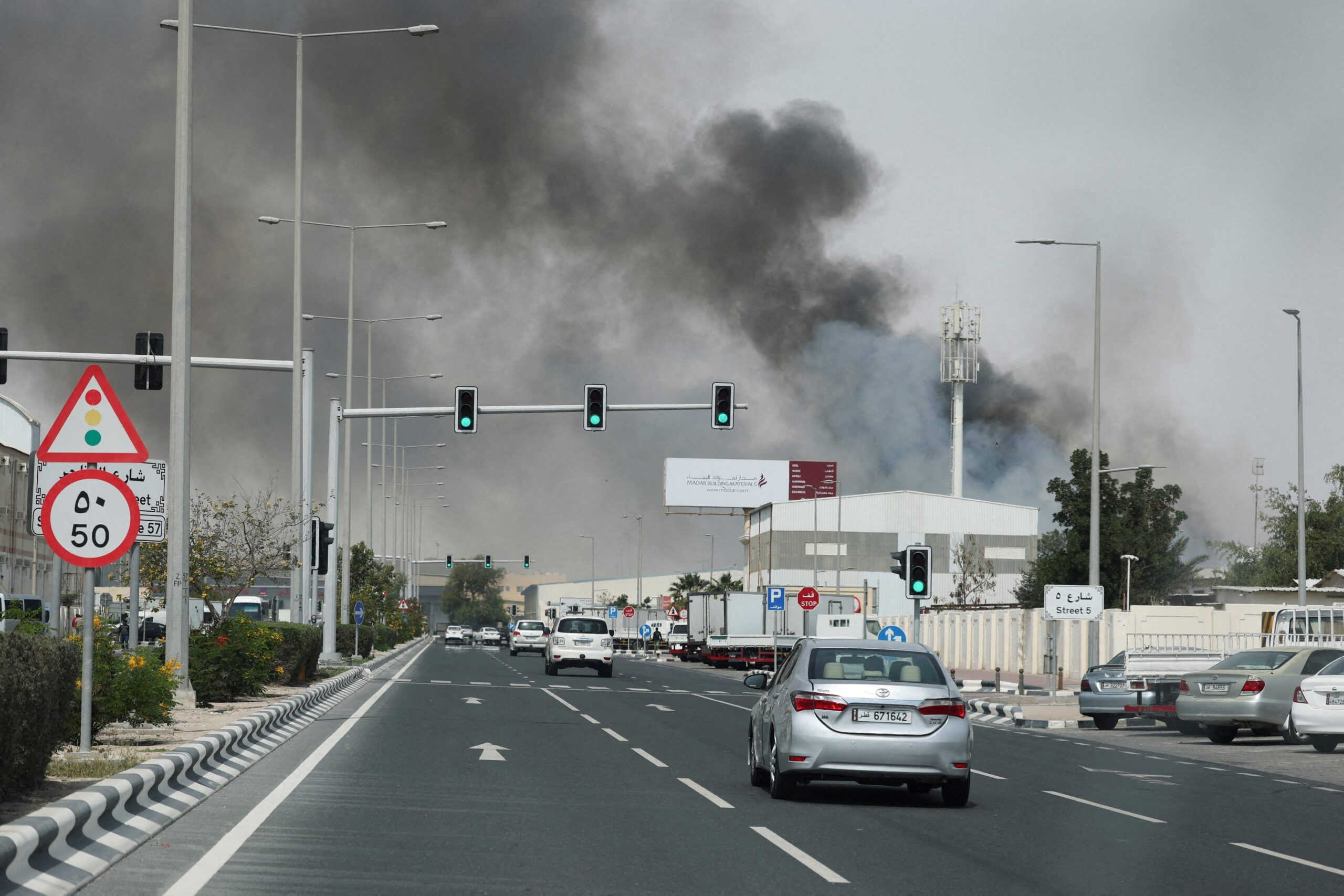
Catholic University in Qatar Closes Amid Rising Iranian Threats
 Economy
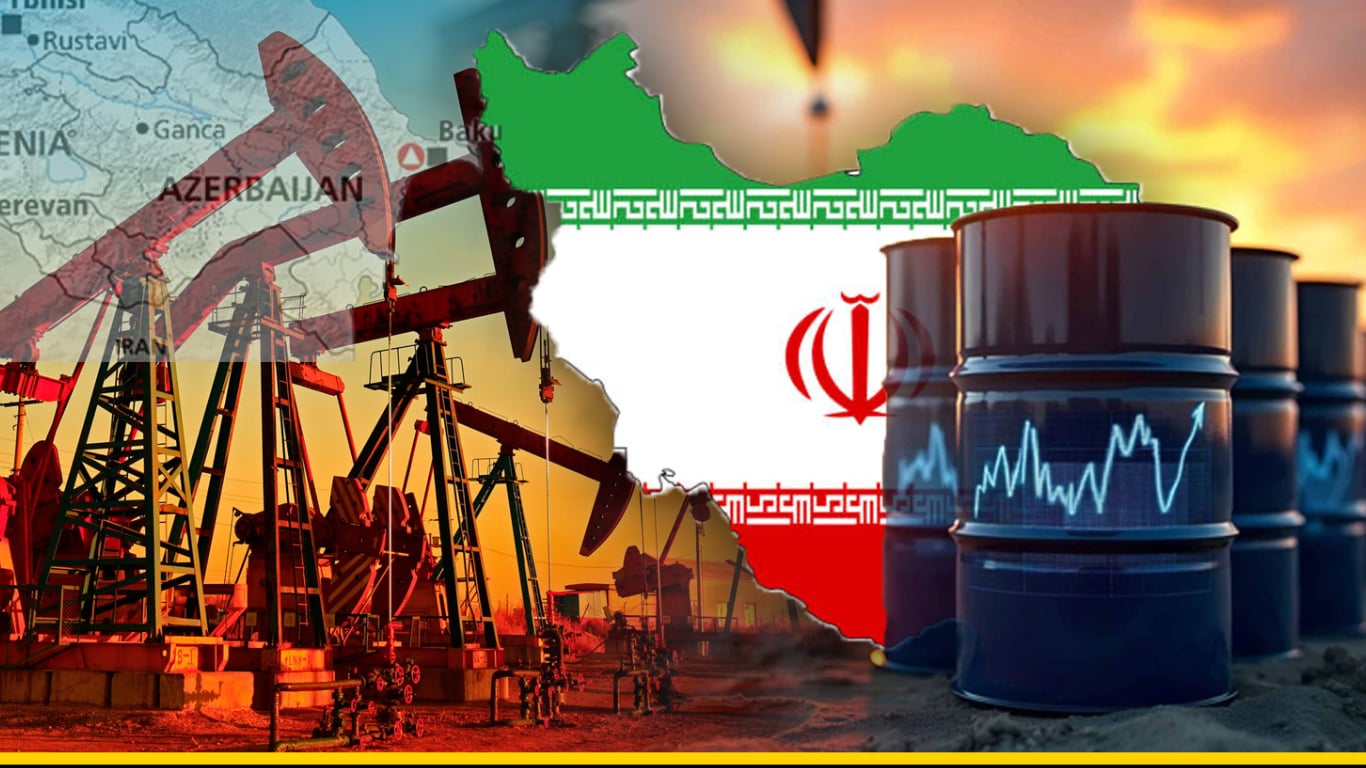
Oil majors prepare for prolonged U.S.-Iran conflict as peace prospects fade
 Economy
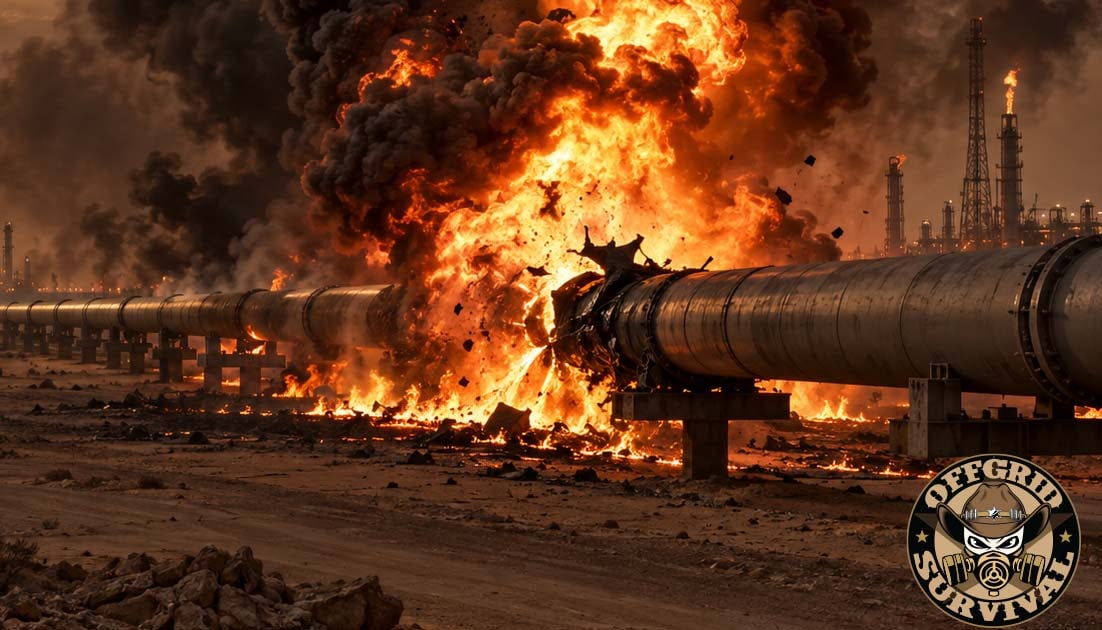
Saudi Oil Pipeline Hit by Iraqi Drones; Diesel Climbs to $6 Amid Global Supply Crisis
 Economy
Hormuz Is Disrupted. Now Saudi Arabia's Red Sea Oil Route Faces a New Threat
 Economy