

In a striking display, thousands of Israeli Jews defy police orders while Al-Aqsa Mosque remains closed for the fifth

Thousands of Israeli Jews gathered in a provocative display of defiance against police orders as the Al-Aqsa Mosque remained closed for the fifth consecutive day during Ramadan, raising tensions in an already volatile region. The gathering, which took place amidst heightened security measures, has drawn significant attention due to its implications for the ongoing Israeli-Palestinian conflict.
The closure of the Al-Aqsa Mosque, a site of profound religious significance for Muslims, has sparked outrage among Palestinians and is viewed as a direct affront to their rights, particularly during the holy month of Ramadan. The mosque's closure has limited access for worshippers and intensified fears of escalating violence in an area that has historically been a flashpoint for conflict. The situation has been exacerbated by inflammatory rhetoric from Israeli political figures, including a Knesset member who appeared in public dressed as an executioner, calling for death penalties for Palestinians. Such actions contribute to a climate of hostility, further complicating the already fraught relations between Israelis and Palestinians.
The gathering of Israeli Jews, which defied police orders, signals a growing trend of assertiveness among certain segments of the Israeli population, particularly those aligned with right-wing ideologies. This event reflects the broader societal divisions in Israel, where nationalist sentiments often clash with calls for peace and coexistence. The juxtaposition of celebrations by some Israeli groups against the backdrop of a closed mosque and calls for violence against Palestinians raises critical questions about the future of intercommunal relations in the region.
The significance of these developments cannot be overstated. The Al-Aqsa Mosque is not only a religious site but also a symbol of Palestinian identity and resistance. Its closure during Ramadan, a month dedicated to prayer and reflection for Muslims, is seen as a deliberate act of provocation. The ongoing tensions at this sacred site have the potential to ignite further unrest, as they tap into deep-seated grievances and historical narratives that continue to shape the Israeli-Palestinian conflict.
From a Gulf perspective, the situation is particularly concerning. The Gulf states have historically supported the Palestinian cause and have called for the protection of holy sites in Jerusalem. The recent events may prompt renewed diplomatic efforts among Gulf nations to address the escalating tensions and advocate for the rights of Palestinians. The international community, including Gulf states, is likely to watch closely as the situation unfolds, given its implications for regional stability and the broader peace process.
As the conflict continues to evolve, the actions of both Israeli and Palestinian groups will play a critical role in shaping the future of the region. The defiance displayed by Israeli Jews, coupled with the closure of the Al-Aqsa Mosque, highlights the fragile state of peace and the urgent need for dialogue and reconciliation. The stakes are high, and the path forward remains fraught with challenges as both communities navigate their complex histories and aspirations for the future.
النسخة العربية
عاجل | مظاهرات في القدس بتحدٍ لتعليمات الشرطة
في خطوة جريئة، تحدى الآلاف من الإسرائيليين تعليمات الشرطة وخرجوا إلى شوارع القدس، بينما يستمر إغلاق المسجد الأقصى لليوم الخامس على التوالي خلال شهر رمضان. يأتي هذا الإغلاق بحجة الأمان، مما يثير تساؤلات حول طبيعة هذه الاحتجاجات وما إذا كانت تعبر عن احتفالات أم تعكس حالة من التوتر المتصاعد في المنطقة.
تعتبر القدس واحدة من أكثر المدن حساسية في العالم، حيث تتقاطع فيها الأبعاد الدينية والسياسية والاجتماعية. إغلاق المسجد الأقصى، الذي يُعد ثالث أقدس موقع في الإسلام، خلال شهر رمضان يضيف طبقة جديدة من التعقيد إلى الوضع المتوتر بالفعل. هذا الإغلاق، الذي تبرره السلطات الإسرائيلية بأنه إجراء أمني، يثير استياءً واسعاً بين الفلسطينيين والمسلمين حول العالم، الذين يرون فيه تعدياً على حقوقهم الدينية.
تأتي هذه الاحتجاجات في سياق تاريخي طويل من التوترات بين الإسرائيليين والفلسطينيين حول السيطرة على القدس والأماكن المقدسة فيها. المسجد الأقصى، الذي يقع في البلدة القديمة من القدس، كان دائماً محوراً للنزاع، حيث يعتبره المسلمون موقعاً مقدساً، بينما يراه اليهود جزءاً من جبل الهيكل، الذي يحمل أهمية دينية كبيرة في اليهودية.
Source tweet
In a striking display, thousands of Israeli Jews defy police orders while Al-Aqsa Mosque remains closed for the fifth day of Ramadan. A Knesset member parades as an executioner amidst calls for death penalties for Palestinians. Is this celebration or conflict?
More Stories
 BREAKING
Israeli Forces Conduct Raid in Qalandiya Refugee Camp North of Jerusalem
 BREAKING
Israeli Forces Conduct Raids and Arrests in Qalandiya Refugee Camp Near Jerusalem
 BREAKING
Israeli Forces Storm Qalandia Refugee Camp North of Jerusalem
 BREAKING
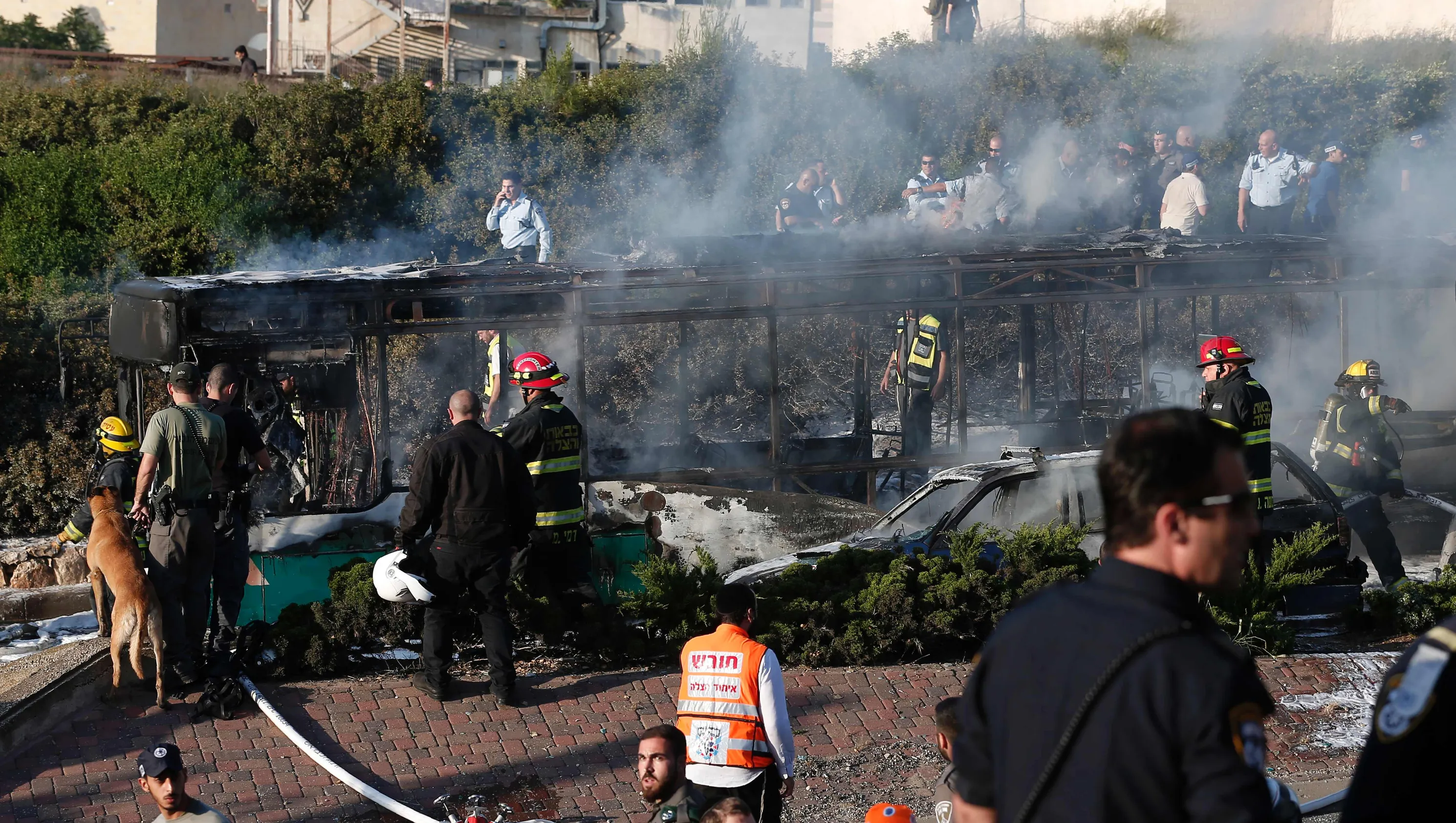
Loud Explosion Reported in Occupied Jerusalem
 BREAKING