

Iran unveils Khaibar Shekan missile, claims ability to bypass advanced defenses

Iran has unveiled its heavy missile, named "Khaibar Shekan," which is reported to have the capability to defeat advanced air defense systems. This announcement comes amid heightened tensions in the region, particularly regarding Iran's missile capabilities and their implications for regional security.
The Khaibar Shekan missile marks a significant development in Iran's military arsenal, reflecting the country's ongoing efforts to enhance its defense technology. The name, translating to "Khaibar Conqueror," is symbolic, referencing a historic battle and suggesting a strategic intent behind its deployment. The missile's design and capabilities are reportedly aimed at countering sophisticated air defense systems, which have become increasingly prevalent among Iran's adversaries, especially in the Gulf region.
The significance of this missile extends beyond its technical specifications. It underscores Iran's commitment to strengthening its military deterrence in the face of perceived threats from Israel and the United States. The introduction of the Khaibar Shekan could alter the balance of power in the region, compelling neighboring countries to reassess their defense strategies and capabilities. The missile's ability to penetrate advanced air defenses raises concerns among Gulf nations, which have been investing heavily in modernizing their military infrastructure to counter such threats.
Iran's missile program has been a focal point of international scrutiny, with many countries expressing concerns over its potential to destabilize the region. The unveiling of the Khaibar Shekan may exacerbate existing tensions, signaling Iran's determination to assert its military prowess. This development could lead to an arms race in the Gulf, as nations seek to enhance their own defense systems in response to Iran's advancements.
From a Gulf perspective, the emergence of the Khaibar Shekan highlights the need for enhanced regional cooperation on security matters. Countries in the Gulf Cooperation Council (GCC) are likely to engage in discussions regarding collective defense strategies and the procurement of advanced military technologies to counter potential threats. The missile's capabilities may also prompt a reevaluation of existing defense agreements and partnerships with Western nations, particularly the United States, which has historically provided military support to Gulf states.
As the situation evolves, the Khaibar Shekan missile serves as a reminder of the complex security dynamics in the region. Gulf states must navigate the challenges posed by Iran's military advancements while balancing their own national interests and security needs. The implications of this missile's introduction will likely resonate throughout the region, influencing military strategies and diplomatic relations for the foreseeable future.
النسخة العربية
خيبر شكن
"خيبر شكن"، الصاروخ الإيراني الثقيل، يثير اهتمام الأوساط العسكرية العالمية بقدرته على تجاوز أنظمة الدفاع الجوي المتطورة، مما يضعه في مقدمة الأسلحة الاستراتيجية التي تهدد توازن القوى في المنطقة.
تأتي أهمية "خيبر شكن" من كونه جزءاً من برنامج إيران العسكري المتقدم، الذي يسعى إلى تعزيز قدراتها الدفاعية والهجومية في مواجهة التحديات الإقليمية والدولية. هذا الصاروخ، الذي يتميز بقدرته على تجاوز أنظمة الدفاع الجوي، يمثل تطوراً نوعياً في ترسانة إيران العسكرية، ويعكس جهودها المستمرة في تطوير تكنولوجيا الصواريخ الباليستية.
التفاصيل حول "خيبر شكن" تشير إلى أنه صاروخ ثقيل، مما يعني أنه قادر على حمل رؤوس حربية كبيرة لمسافات بعيدة. هذه القدرة تجعل منه سلاحاً استراتيجياً يمكن أن يغير قواعد اللعبة في أي مواجهة عسكرية محتملة. ومع أنظمة الدفاع الجوي المتقدمة التي تمتلكها العديد من الدول في المنطقة، فإن قدرة "خيبر شكن" على تجاوز هذه الأنظمة تعزز من موقف إيران التفاوضي وتزيد من تعقيد الحسابات العسكرية للدول الأخرى.
Source tweet
"خيبر شكن".. الصاروخ الإيراني الثقيل، الذي يهزم أنظمة الدفاع الجوي المتطورة.. إليكم معلومات عن هذا الصاروخ:
More Stories
 BREAKING
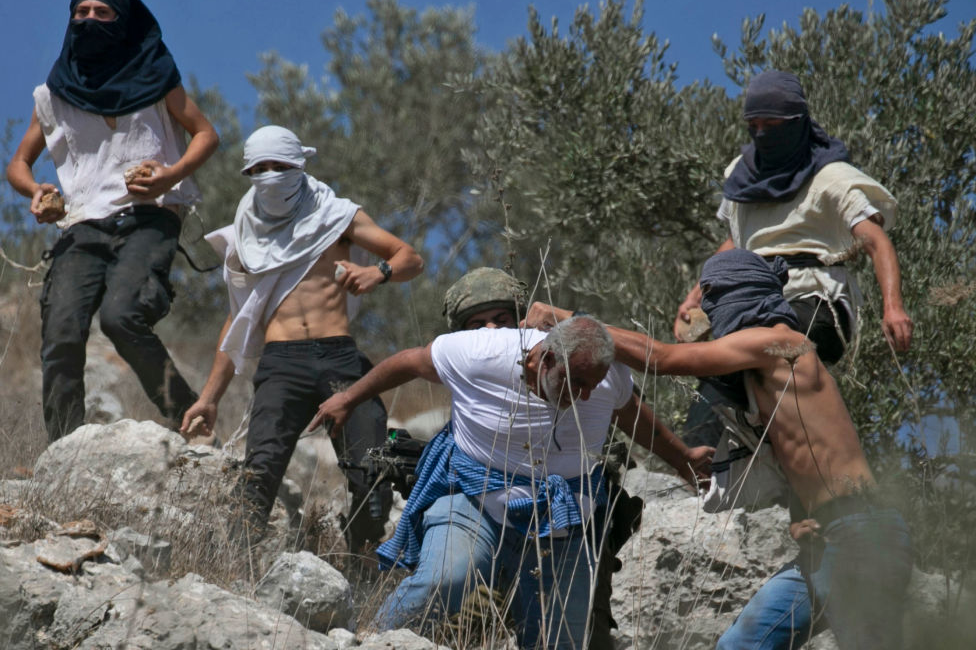
Youths Clash with Settler Militias in Jalud Village South of Nablus
 BREAKING
US-Iran Peace Talks Stall in 2026: Oil Hits 3-Week High on Hormuz Risk
 BREAKING
Oman Pushes Hormuz Diplomacy 2026: FM Warns of Strait Closure Risk
 BREAKING
Finnish President Stubb Says Ukraine Kills 30,000 Russian Soldiers Monthly
 BREAKING