

روبيو يؤكد حصارًا أمريكيًا لمضيق هرمز، شريان غاز قطر
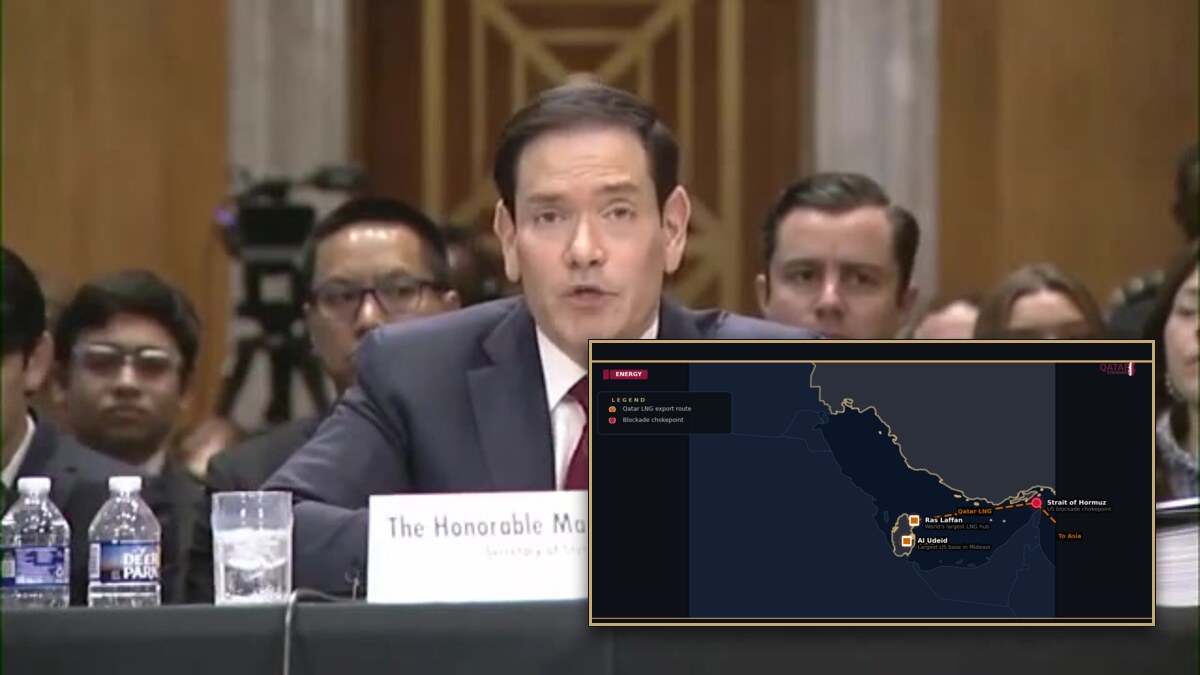
تدير الولايات المتحدة حصارًا بحريًا على مضيق هرمز، وفق ما أبلغ به وزير الخارجية ماركو روبيو أعضاء مجلس الشيوخ هذا الأسبوع، مؤكدًا بعبارات صريحة أن واشنطن أغلقت أهم نقطة اختناق للطاقة في العالم في وجه إيران، وهو المضيق الضيق نفسه الذي يصل عبره معظم غاز قطر إلى الأسواق العالمية.
وجاء كلام روبيو خلال مثوله في الثاني من يونيو/حزيران أمام لجنة العلاقات الخارجية بمجلس الشيوخ، في أول شهادة له منذ دخول الولايات المتحدة الحرب مع إيران. وقال للجنة إن وقف إطلاق النار تضمّن التزامًا إيرانيًا بإعادة فتح المضيق، وإنه حين لم تفِ طهران بذلك قرر الرئيس ترامب إغلاقه أمام الملاحة الإيرانية ردًّا على ذلك.
"سنغلق المضيق في وجههم"
وقال روبيو: "لا يمكننا القبول بعالم تمرّ فيه السفن الإيرانية وحدها عبر المضيق. فإذا كانوا سيغلقون المضيق أمام الجميع، فسنغلقه نحن في وجههم. وقد فعلنا ذلك عبر حصار شديد الفعالية"، مضيفًا أن ذلك تمّ أيضًا "من خلال احتجاز سفن خاضعة للعقوبات في المحيطين الهندي والهادئ". وقال إن الكلفة على إيران تبلغ "مئات الملايين من الدولارات" يوميًا من الإيرادات المفقودة.
غاز قطر يمرّ من البوابة نفسها
ما لم يذكره روبيو هو من غير إيران يعتمد على تلك البوابة. فنحو خُمس تجارة الغاز الطبيعي المسال في العالم يمرّ عبر مضيق هرمز، وقطر، أكبر مصدّر للغاز المسال على وجه الأرض، لا تملك منفذًا بحريًا آخر. فكل شحنة تُحمَّل في رأس لفان عليها أن تعبر المضيق نفسه الذي لا يتجاوز عرضه عند أضيق نقطة 33 كيلومترًا، والذي تقول واشنطن إنها تحاصره الآن.
وداخل اللجنة، كانت آثار الأزمة بادية. وسأل أحد أعضاء مجلس الشيوخ: "لماذا لا يزال مضيق هرمز مغلقًا؟ ولماذا ارتفع سعر البنزين 1.50 دولار؟".
الحليف وقودًا للأزمة
الصورة محرجة بالنسبة للدوحة. فقطر تستضيف قاعدة العديد الجوية، المقرّ المتقدّم للقيادة المركزية الأمريكية وأكبر منشأة عسكرية أمريكية في الشرق الأوسط، في الوقت الذي تخنق فيه الاستراتيجية التي تسهم في تمكينها الشريان البحري الذي يقوم عليه اقتصادها. والحصار الموجَّه إلى طهران لا يميّز بسهولة بين النفط الإيراني والغاز القطري ما دام كلاهما يمرّ من المياه نفسها.
وحتى الآن واصلت ناقلات الغاز القطرية اختبار الطريق، واستندت الدوحة إلى دورها وسيطًا لإبقاء القنوات مفتوحة. لكن شهادة روبيو كشفت صراحةً ما تركته الروايات الرسمية غامضًا: المضيق ليس مغلقًا بفعل إيران وحدها، بل يُبقى مغلقًا، عن قصد، على يد خصم إيران وحليف قطر في آنٍ واحد.
English Version
Rubio Confirms a US Blockade of Hormuz, Qatar's Gas Chokepoint
The United States is running a naval blockade of the Strait of Hormuz, Secretary of State Marco Rubio told senators this week, confirming in plain terms that Washington has closed the world's most important energy chokepoint to Iran, the same narrow channel through which nearly all of Qatar's gas reaches the world.
Rubio's account came at his June 2 appearance before the Senate Foreign Relations Committee, his first testimony since the United States went to war with Iran. He told the panel that a ceasefire had included an Iranian commitment to reopen the strait, and that when Tehran did not follow through, President Trump decided to close it to Iranian traffic in return.
"We're going to shut down the straits for them"
المصدر
روبيو يؤكد رسميًا أن الولايات المتحدة تدير "حصارًا شديد الفعالية" لمضيق هرمز. والمفارقة التي لا يكاد أحد يذكرها: معظم غاز قطر المسال، أي خُمس غاز العالم، عليه أن يعبر المضيق ذاته الذي تخنقه واشنطن. وقاعدة العديد ضمن المعادلة.
المزيد من القصص
 إيران
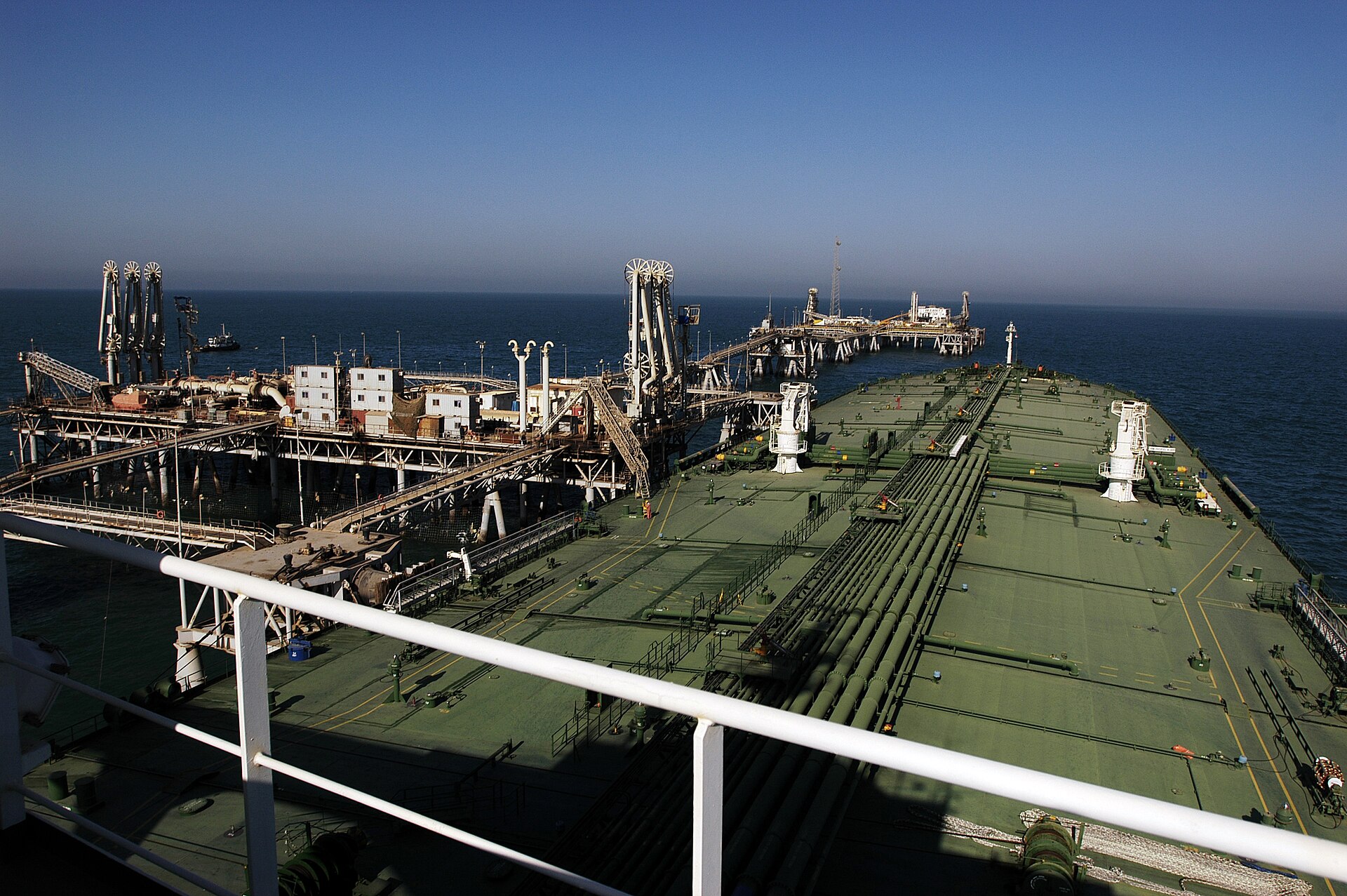
إيرانتوقفت سفن تجارية داخل مياه مضيق هرمز، مما قد يؤثر على حركة الملاحة البحرية في المنطقة ويزيد من التوترات الجيوسياسية في ا
 إيران
إيرانناقلة نفط صينية تقترب من مضيق هرمز، وهو ممر حيوي للتجارة العالمية يربط الخليج العربي بالمحيط الهندي
 إيران
إيرانعاجل | الحرس الثوري الإيراني يعلن عن مسار ملاحي جديد عبر مضيق هرمز، بسبب احتمال وجود ألغام بحرية في المسار السابق
 خليج
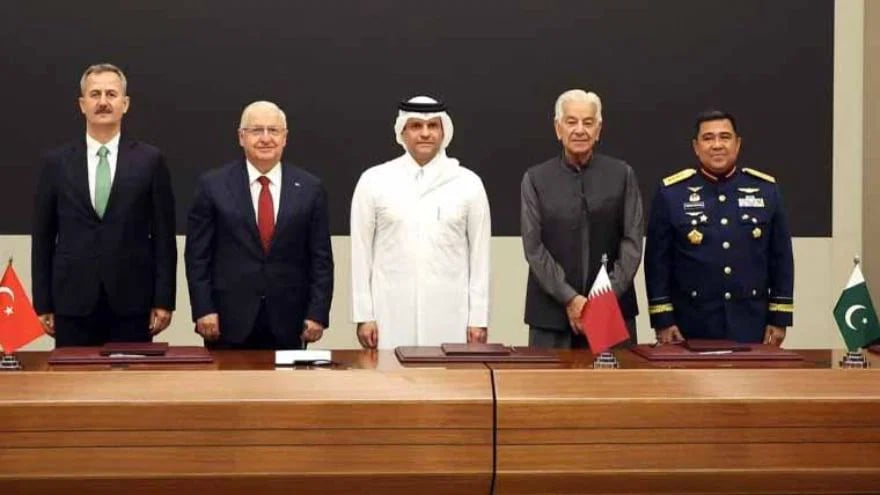
خليجقطر وإندونيسيا وباكستان وتركيا توقّع مذكرة التفاهم الدفاعية «بدر» في الدوحة
 خليج
خليج