

Sirens heard in the Israeli Sa'sa area after rockets were detected from Lebanon. Tensions escalate as regional
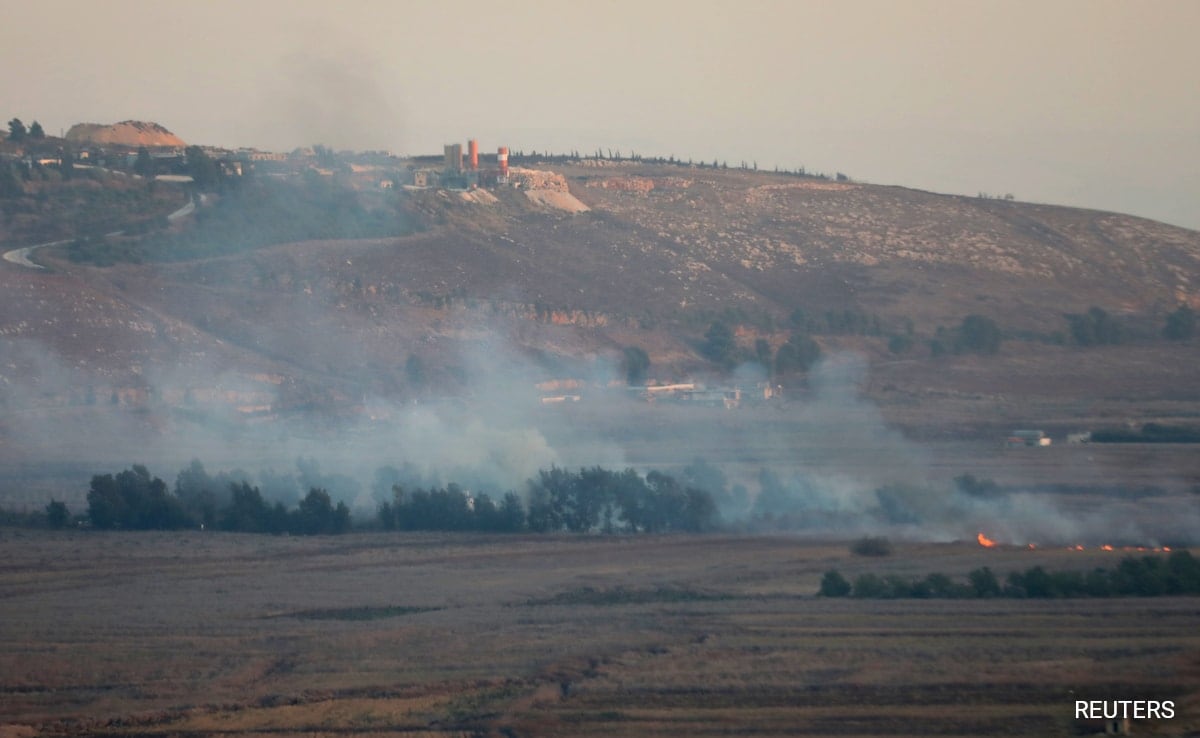
Sirens were activated in the Israeli Sa'sa area following the detection of rockets launched from Lebanon, signaling a significant escalation in regional tensions. This incident highlights the ongoing volatility along the Israel-Lebanon border, where security concerns have been mounting amid broader geopolitical instability.
The recent rocket fire occurs against a backdrop of heightened military activity and rhetoric from both sides, with Lebanon's Hezbollah and Israeli defense forces frequently exchanging threats and engaging in skirmishes. The Sa'sa area, located in northern Israel, has become a focal point for such tensions due to its proximity to the Lebanese border. The activation of air raid sirens serves as a stark reminder of the precarious security situation in the region, where sporadic violence can quickly escalate into broader conflict.
This incident is part of a larger pattern of hostilities that have characterized the Israel-Lebanon relationship for decades. The border area has seen numerous clashes, particularly in recent years, as Hezbollah has increased its military capabilities and Israel has intensified its surveillance and defensive measures. The current situation is further complicated by ongoing civil unrest in Lebanon, which has left the country politically unstable and economically fragile, creating an environment where militant groups may feel emboldened to act.
The implications of such rocket fire extend beyond immediate military concerns, as they can trigger a wider conflict involving multiple regional players. Israel's response to such provocations is often swift and decisive, raising fears of a potential escalation that could draw in neighboring countries and lead to a broader military confrontation. The international community is closely monitoring the situation, as any significant outbreak of violence could have far-reaching consequences for regional stability.
From a Gulf perspective, the escalating tensions between Israel and Lebanon are of particular concern. Gulf states have been working towards normalizing relations with Israel, and any conflict in the region could jeopardize these diplomatic efforts. Additionally, the Gulf Cooperation Council has a vested interest in maintaining stability in Lebanon, given the potential for spillover effects that could impact their own security and economic interests.
As the situation develops, the focus will remain on how both Israel and Lebanon respond to this latest incident. The potential for miscalculation or unintended escalation is high, and both sides will need to navigate their actions carefully to avoid a larger confrontation. The international community's role in mediating tensions and promoting dialogue will be crucial in the coming days, as the region remains on edge amid these alarming developments.
النسخة العربية
دوت صفارات الإنذار في منطقة سعسع بالجليل الأعلى، بعد رصد صواريخ قادمة من لبنان، حسب الجبهة الداخلية الإسرائيلية
تصاعدت التوترات في المنطقة الحدودية بين إسرائيل ولبنان بعد أن دوت صفارات الإنذار في منطقة سعسع بالجليل الأعلى، وذلك عقب رصد صواريخ قادمة من لبنان، وفقاً لما أعلنته الجبهة الداخلية الإسرائيلية. يأتي هذا التطور في ظل تصاعد التوترات الإقليمية، حيث تزايدت المخاوف من احتمال اندلاع مواجهات عسكرية بين الجانبين.
تعتبر منطقة الجليل الأعلى من المناطق الحساسة نظراً لقربها من الحدود اللبنانية، وقد شهدت في السابق حوادث مشابهة زادت من حدة التوتر بين إسرائيل ولبنان. تأتي هذه الأحداث في سياق تاريخي معقد من الصراع بين الجانبين، حيث تتكرر عمليات إطلاق الصواريخ والردود العسكرية بين الحين والآخر، مما يزيد من تعقيد الوضع الأمني في المنطقة.
لم يتم الإعلان حتى الآن عن وقوع إصابات أو أضرار مادية جراء هذه الصواريخ، إلا أن مثل هذه الحوادث غالباً ما تؤدي إلى تصعيد عسكري وردود فعل قوية من الجانب الإسرائيلي. تعد هذه التطورات جزءاً من سلسلة من الأحداث التي تزيد من حدة التوتر في المنطقة، حيث تتداخل المصالح الإقليمية والدولية في هذا الصراع المستمر.
Source tweet
🚨 Sirens heard in the Israeli Sa'sa area after rockets were detected from Lebanon. Tensions escalate as regional security remains precarious.
More Stories
 Gulf
GulfQatar Foreign Minister Discusses Regional Developments with Saudi Counterpart
 Gulf
GulfQatar's Prime Minister Receives Call from Jordanian Deputy PM to Discuss Regional Developments
 BREAKING
Israeli Forces Conduct Raid in Qalandiya Refugee Camp North of Jerusalem
 Iran
IranIran Considers Closing Bab al-Mandab Strait Amid U.S. Naval Blockade
 BREAKING