
Somalia's May 15 Deadline: Why Mogadishu Has No Post-Transition Plan

Somalia's president Hassan Sheikh Mohamud has thirteen days left in office. His term, which began on May 15, 2022, expires by constitutional clock on May 15, 2026. There is no elected successor. There is no completed electoral framework. There is no realistic plan for what happens at midnight on the fifteenth.
This is not for lack of warning. The federal parliament passed sweeping constitutional amendments in March 2024 to replace Somalia's clan-based indirect electoral system with universal suffrage — one person, one vote. The amendments also empowered the president to appoint the prime minister and reshaped the federal balance of power. The text was passed. The implementation never followed. Two years later, the technical machinery — voter registration, district demarcation, security guarantees, electoral commission staffing — remains incomplete in every federal member state outside the capital region.
In March 2026, the formal talks between Mogadishu and the federal member states on how to bridge the constitutional gap collapsed. They have not resumed.
A federation in open revolt
Somalia's federal architecture comprises five constituent member states. Mohamud has spent the last twelve months reshaping their politics rather than holding the elections his constitution demands. Galmudug, HirShabelle and South West are now governed by allies absorbed into his Justice and Solidarity Party — a process that critics describe as coercion through control of federal disbursements and security appointments. Puntland, Somalia's most institutionally stable region, formally suspended cooperation with the federal government in 2023 and has not returned. Jubaland's president Ahmed Madobe remains openly defiant in Kismayo.
The opposition outside the executive remains, in the candid assessment of multiple regional analysts, "divided and ineffectual." There is no consolidated alternative candidate, no agreed transitional formula, and no constitutional court empowered to adjudicate. The most likely outcomes after May 15 are not election results. They are: a parliamentary resolution extending Mohamud's mandate by fiat, parallel administrations in Mogadishu and Garowe, or an open constitutional vacuum that the security forces and clan elders fill informally — the same arrangement that prevailed for most of the post-1991 period.
Turkey is already inside the house
While the Western diplomatic conversation has narrowed to whether to extend or replace Mohamud, Turkey has been quietly building the bilateral relationship that will outlast whichever administration emerges. Camp TURKSOM in Mogadishu — Ankara's largest overseas military installation — has trained more than 15,000 Somali troops since 2017 and now serves as the de facto command and logistics hub for the Somali National Army. Turkish defense advisors are embedded across the federal government's security architecture.
The energy frontier has followed the same pattern. A Turkish deepwater drilling vessel arrived in Somalia's exclusive economic zone in late March 2026 and was personally welcomed at sea by President Mohamud and Turkey's energy minister on April 10. Under the bilateral hydrocarbons agreement, Turkey holds rights to approximately ninety percent of Somali offshore oil and gas output. SOMTURK, the joint fishing company established in December 2025 and run by a Turkish military-linked entity, formalised its EEZ fishing concession on March 29, 2026. A Turkish-built spaceport project was announced in December 2025.
Whatever happens on May 15, Turkey's position is contractual, capitalised, and physically present.
Washington brings drones, not diplomats
The Trump administration's posture toward Somalia has been straightforward and kinetic. AFRICOM conducted thirty-eight strikes against Islamic State and al-Shabaab targets between February and June 2025, double the pace of the prior year. In January 2026 alone, the command launched twenty-six strikes — a tempo that exceeds any previous comparable period. The president has personally publicised individual strikes on social media.
Diplomatic engagement on the constitutional crisis is, by contrast, absent from the public record. There is no special envoy. There is no public statement from the State Department on the May 15 deadline. The principal American announcement of 2026 was a February memorandum of understanding for five new US military bases on Somali territory — a footprint negotiation conducted in parallel with the constitutional crisis, not in response to it.
The administration has separately acknowledged "willingness to pursue" recognition of Somalia's breakaway northwestern region, which Israel formally recognised in December 2025 and which the United Arab Emirates is actively brokering for Washington. For the federal government in Mogadishu, this remains an existential pressure point: a Trump recognition would crystallise a permanent territorial loss while Mohamud is too weak to credibly object.
The donor class has stopped pretending
Two decades and approximately seven billion dollars of European Union and United States security investment since 2007 have produced an al-Shabaab insurgency that remains, in the assessment of most independent observers, operationally intact and territorially active. The successor mission to ATMIS — the African Union Support and Stabilisation Mission in Somalia, AUSSOM — has been formally launched. The funding has not materialised. Donor capitals are openly discussing the absence of any credible exit strategy.
This is the deeper context for the May 15 deadline. The constitutional crisis is not arriving at a moment when Somalia is otherwise stable, with friends prepared to invest in resolution. It is arriving at a moment when the international institutions that built the post-1991 federal project have visibly disengaged from its political maintenance. The drones continue. The diplomats are gone. The question for the next thirteen days is not whether Somalia will hold an election. It is whether anyone outside Mogadishu still has the political will to insist that it should.
Sources: Somali Federal Parliament constitutional amendments (March 2024); AFRICOM strike disclosures (February 2025 to January 2026); Turkish-Somali bilateral hydrocarbons and defense agreements; AU AUSSOM mission documentation. Reporting compiled May 2026.
النسخة العربية
العد التنازلي 13 يوماً: الصومال بلا خطة لما بعد 15 مايو
لم يبقَ للرئيس الصومالي حسن شيخ محمود سوى ثلاثة عشر يوماً في منصبه. فولايته التي بدأت في 15 مايو 2022 تنتهي بحكم الدستور في 15 مايو 2026. لا يوجد خَلَف منتخب. لا يوجد إطار انتخابي مكتمل. ولا توجد خطة واقعية لما يحدث عند منتصف ليل اليوم الخامس عشر.
ليس هذا لقصور في التحذير. فقد أقرّ البرلمان الفيدرالي في مارس 2024 تعديلات دستورية واسعة لاستبدال نظام الانتخاب غير المباشر القائم على القبيلة بنظام الاقتراع العام — صوت واحد لكل مواطن. كما منحت التعديلات الرئيس صلاحية تعيين رئيس الوزراء، وأعادت تشكيل التوازن الفيدرالي. أُقرّ النص. لم يتبعه التنفيذ. وبعد عامين، لا تزال الآلية الفنية — تسجيل الناخبين، ترسيم الدوائر، ضمانات الأمن، تعيين موظفي اللجنة الانتخابية — غير مكتملة في كل ولاية فيدرالية خارج العاصمة.
في مارس 2026، انهارت المحادثات الرسمية بين مقديشو والولايات الفيدرالية حول كيفية معالجة الفجوة الدستورية. ولم تُستأنف منذ ذلك الحين.
Source tweet
Hassan Sheikh Mohamud's mandate expires May 15. No elections completed. No succession plan. Federal states openly defiant. The Trump administration responds with drone strikes — 26 in January 2026 alone — but no diplomatic engagement on the constitutional crisis. Turkey already owns 90% of Somali offshore oil.
More Stories
 Africa
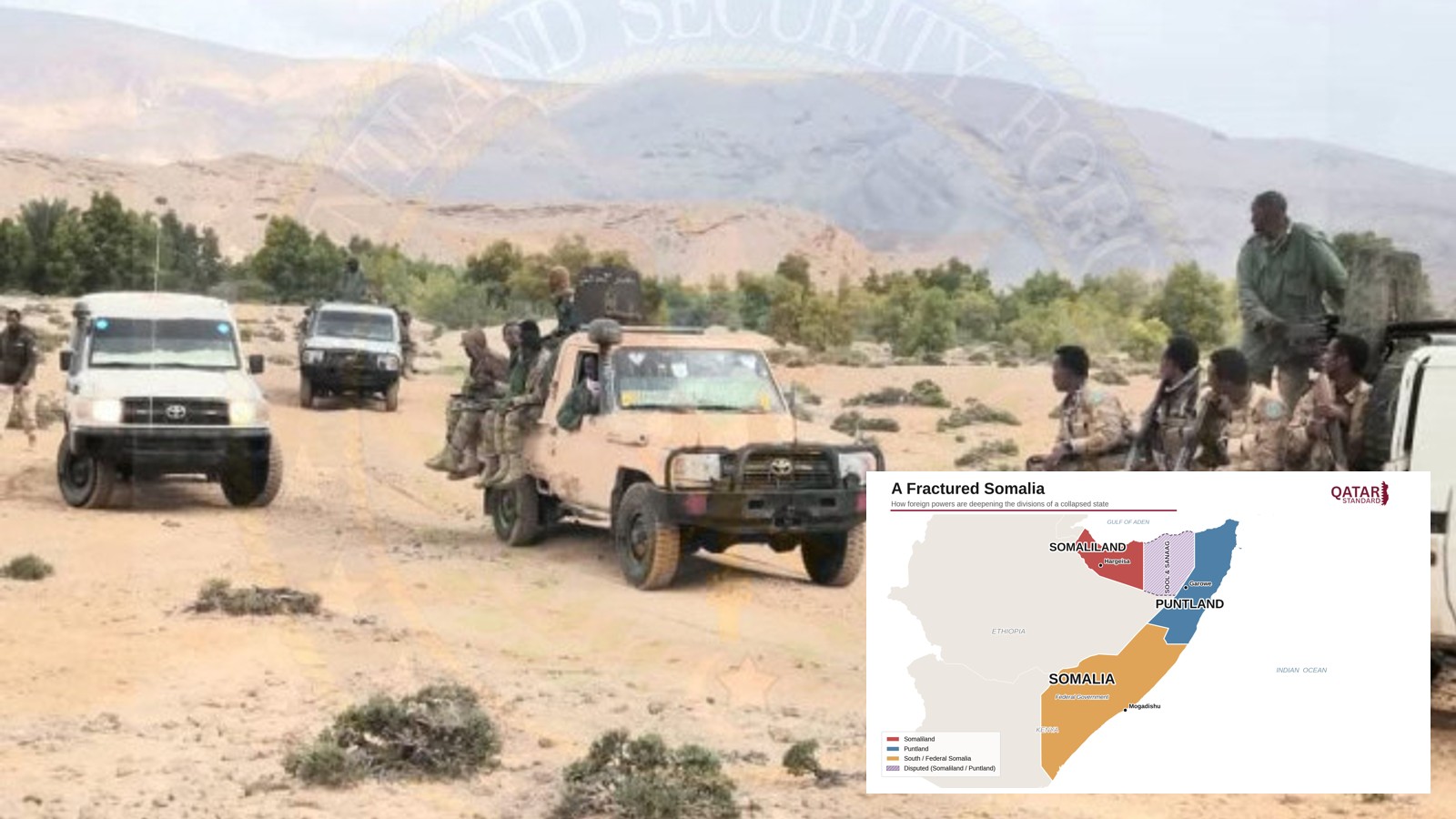
Puntland Forces Seize Federal Camp in Galkayo as Somalia's Legitimacy Crisis Deepens
 Africa
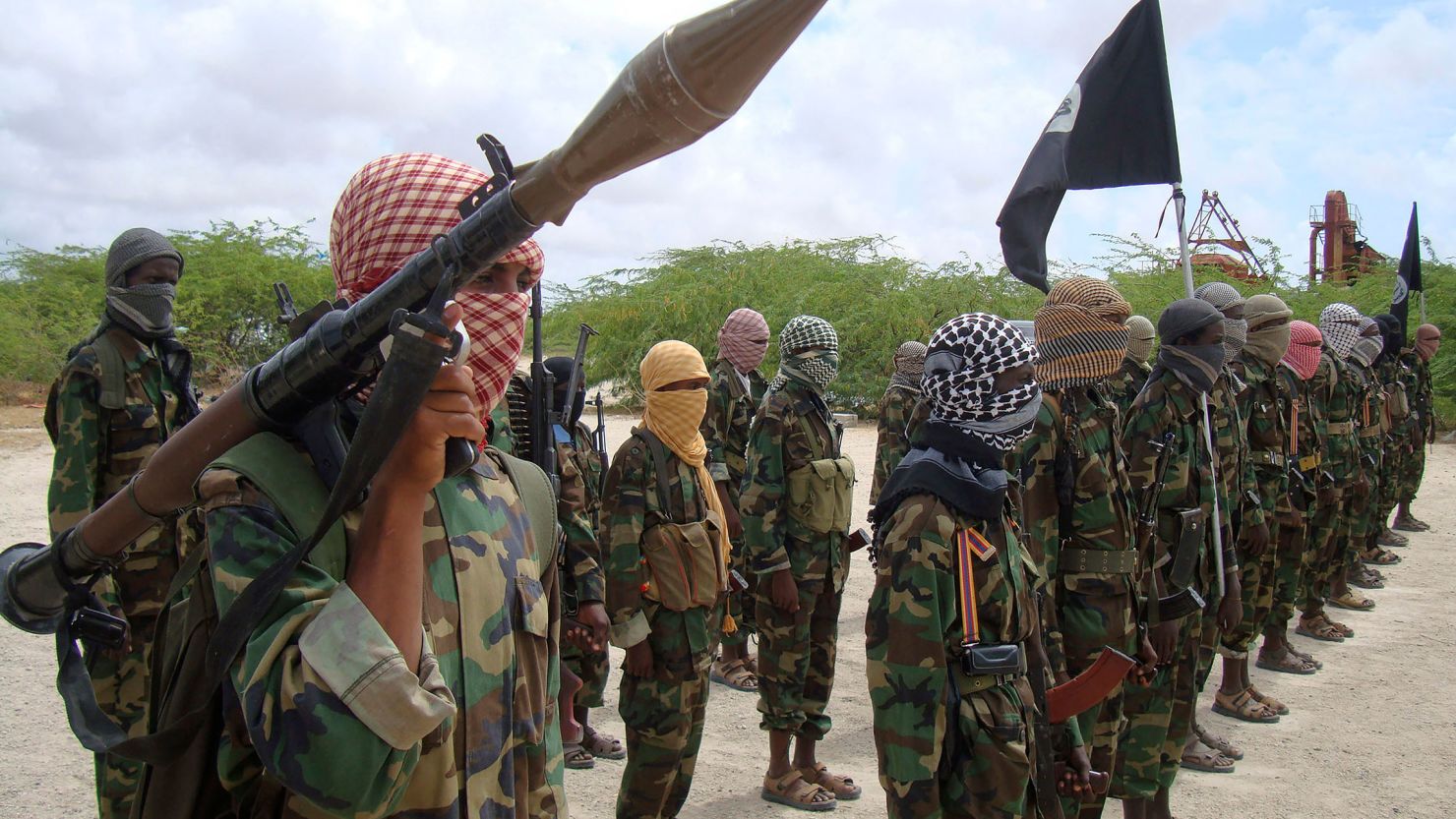
Al-Shabaab Seizes Teedaan in Central Somalia After Two-Day Battle
 Africa
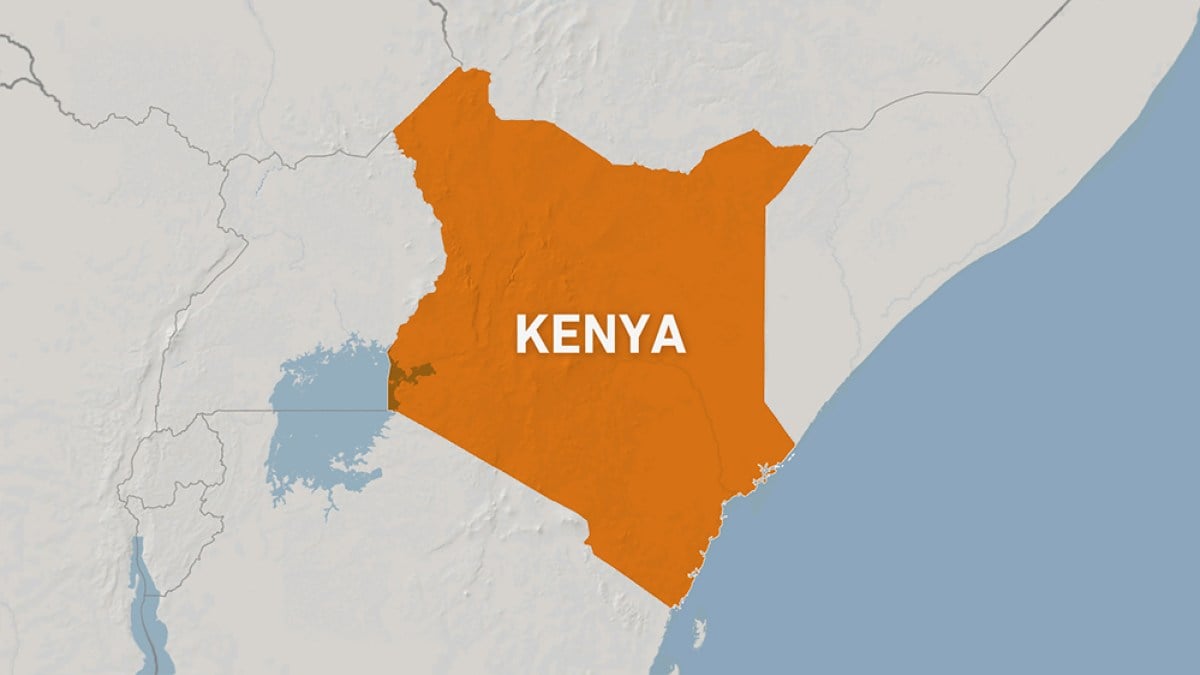
Al-Shabab ambush kills five Kenyan security officers near Somalia border
 Africa
Libya's East Bans Entry for Citizens of Sudan, Eritrea, Ethiopia, Somalia
 Africa