

The IMF warns that a prolonged Middle Eastern crisis could impact growth indicators, inflation, and markets. The
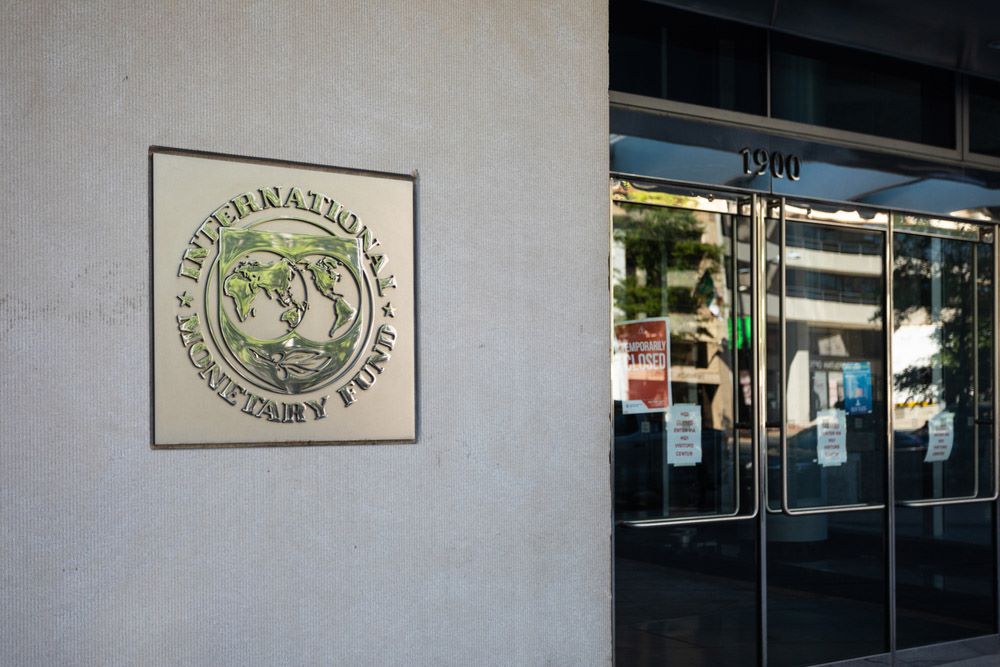
The International Monetary Fund (IMF) has issued a warning that ongoing geopolitical tensions in the Middle East could have severe repercussions on economic growth, inflation rates, and financial markets both regionally and globally. This caution comes as the region grapples with escalating conflicts that threaten to destabilize an already fragile economic landscape.
The IMF's assessment highlights the interconnectedness of global economies and the potential for regional crises to ripple outwards, affecting countries far beyond the Middle East. Prolonged instability could lead to a decline in investor confidence, which in turn could stifle economic growth and exacerbate inflationary pressures. The report emphasizes that the implications of such a crisis are not limited to the immediate area but could extend to global markets, affecting trade, investment flows, and commodity prices.
The Middle East has long been a focal point of geopolitical tensions, with conflicts often leading to significant economic disruptions. The IMF's warning serves as a reminder of the delicate balance that exists in the region, where political instability can quickly translate into economic uncertainty. As countries in the Gulf Cooperation Council (GCC) and beyond navigate these challenges, the potential for reduced growth rates and increased inflation could pose serious threats to their economic stability.
In light of these developments, Gulf states are likely to be closely monitoring the situation, as many of them rely heavily on oil revenues that can be impacted by geopolitical events. The region's economies are particularly vulnerable to fluctuations in oil prices, which can be influenced by conflicts in neighboring countries. A prolonged crisis could lead to higher oil prices in the short term, but the long-term effects could be detrimental if the instability leads to a downturn in global demand.
The IMF's warning also highlights the importance of diversification in the economies of the Gulf states. Many countries in the region have been making concerted efforts to reduce their reliance on oil by investing in other sectors, such as tourism, technology, and renewable energy. However, the success of these initiatives may be compromised if geopolitical tensions continue to escalate, leading to reduced foreign investment and economic stagnation.
As the situation unfolds, it will be crucial for policymakers in the Gulf region to remain vigilant and proactive in addressing potential economic fallout. The IMF's assessment serves as a call to action for governments to strengthen their economic resilience and ensure that they are prepared for any adverse effects stemming from regional instability.
The IMF's warning regarding the potential economic impacts of a prolonged crisis in the Middle East underscores the need for sustained attention to geopolitical developments. For Qatar and its Gulf neighbors, the stakes are high, as the region's economic future hinges on both political stability and the ability to adapt to an ever-changing global landscape. The coming months will be critical in determining how these nations navigate the challenges ahead and safeguard their economic interests.
النسخة العربية
مديرة صندوق النقد الدولي تحذر من أن استمرار أزمة الشرق الأوسط قد يؤثر سلباً على مؤشرات النمو والتضخم والأسواق
حذرت مديرة صندوق النقد الدولي من أن استمرار الأزمة في الشرق الأوسط قد يؤدي إلى تأثيرات سلبية على مؤشرات النمو الاقتصادي والتضخم والأسواق المالية. يأتي هذا التحذير في وقت يشهد فيه العالم توترات جيوسياسية متزايدة في المنطقة، مما يثير مخاوف اقتصادية عالمية.
تتجاوز الأهمية الاقتصادية للأزمة في الشرق الأوسط الحدود الإقليمية، حيث تعتبر المنطقة من أهم مصادر الطاقة في العالم وتلعب دوراً حيوياً في استقرار الأسواق العالمية. أي اضطراب في المنطقة يمكن أن يؤدي إلى تقلبات في أسعار النفط والغاز، مما يؤثر بشكل مباشر على الاقتصادات العالمية، خاصة تلك التي تعتمد بشكل كبير على واردات الطاقة.
تاريخياً، أظهرت الأزمات في الشرق الأوسط تأثيرات مباشرة على الأسواق المالية العالمية، حيث تتسبب في زيادة حالة عدم اليقين بين المستثمرين، مما يؤدي إلى تراجع في الاستثمارات وزيادة في تكاليف الاقتراض. بالإضافة إلى ذلك، يمكن أن تؤدي الأزمات إلى ارتفاع معدلات التضخم نتيجة لزيادة أسعار السلع الأساسية، مما يضغط على المستهلكين ويؤثر على القوة الشرائية.
Source tweet
The IMF warns that a prolonged Middle Eastern crisis could impact growth indicators, inflation, and markets. The geopolitical instability in the region continues to have far-reaching economic implications.
More Stories
 BREAKING
International Team to File ICC Complaint Over Palestinian Detainees
 Economy
IMF Cuts 2026 Global Growth Forecast Over Iran War and Hormuz Crisis
 Politics
Israeli Envoy to Confirm Push for Hezbollah Disarmament in Talks Today
 Politics
Spanish Prime Minister: Israel Alone Violates International Law in Middle East
 BREAKING