

قطر تتصدر الصمود الاقتصادي في الشرق الأوسط
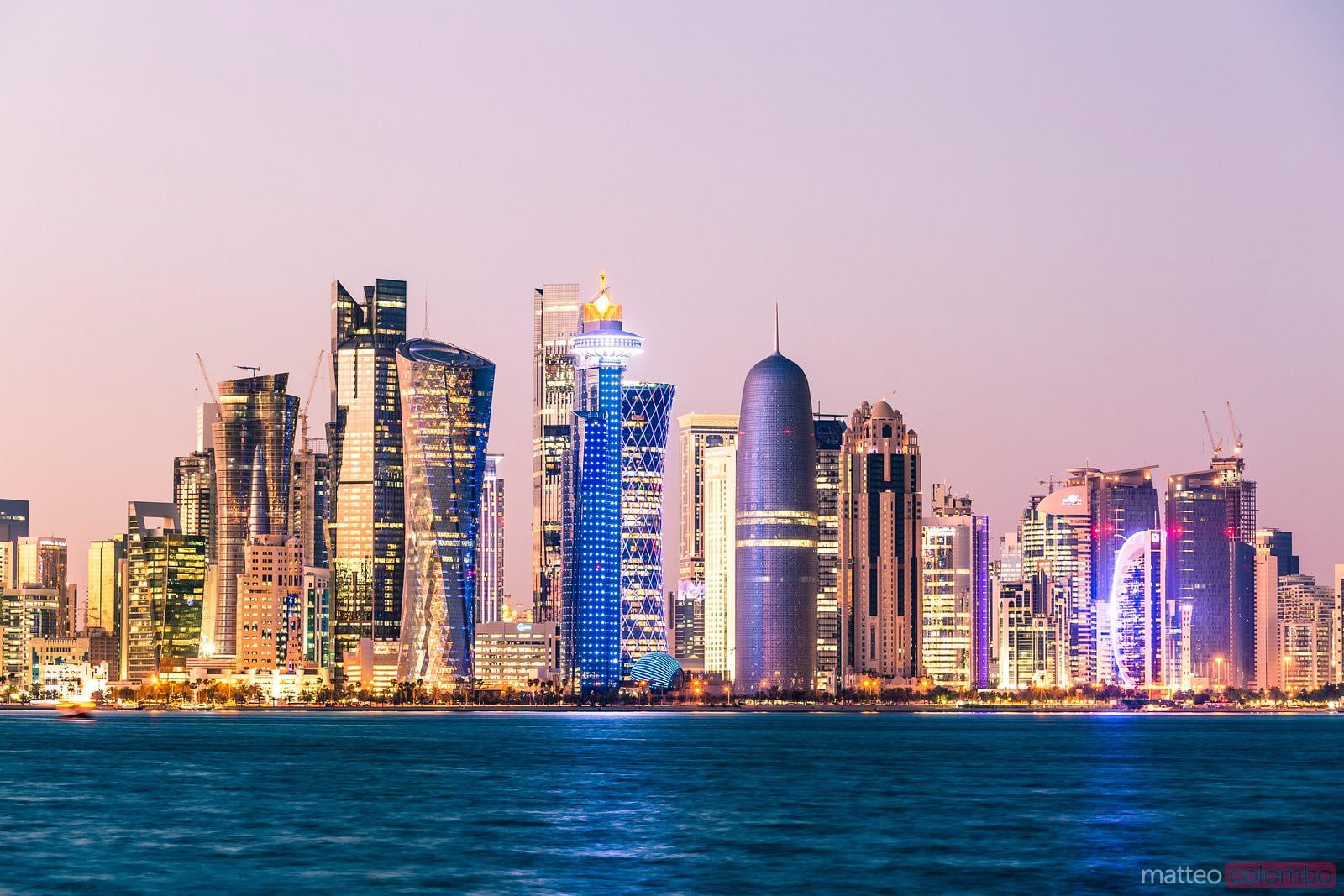
احتلّت قطر المرتبة الأولى في الشرق الأوسط من حيث الصمود الاقتصادي، في وقت تشير فيه التوقّعات إلى تراجعٍ حادّ في قيمة ناتجها المحلّي. والأمران غير متناقضين. فمؤشّرات الصمود تقيس قدرة الدولة على امتصاص الصدمات ومواصلة عملها، عبر عوامل مثل الاحتياطيات المالية، وانخفاض الدين العام، والاستقرار السياسي، ومتانة المؤسسات. وعلى هذه المقاييس تُعدّ قطر من الأقوى في المنطقة، مدعومةً بأحد أكبر صناديق الثروة السيادية في العالم، وباحتياطيات ضخمة من الغاز الطبيعي المسال تضمن إيرادات طويلة الأمد.
أمّا التراجع المتوقّع بنسبة 13 في المئة فهو انخفاض في الحجم الإجمالي للاقتصاد، لا انهيار في أسسه. فلأنّ الناتج القطري يعتمد بشكل كبير على المحروقات، تتذبذب قيمته الاسمية بتذبذب أسعار الطاقة العالمية. وحين تتراجع أسعار الغاز والنفط عن مستوياتها المرتفعة، تنخفض القيمة الدولارية للناتج الوطني حتى لو ظلّ حجم الإنتاج والتوظيف والإنفاق الحكومي ثابتاً. فبيئة الأسعار المنخفضة تقلّص عائدات التصدير على الورق دون أن تمسّ الاحتياطيات التي تجعل الاقتصاد قادراً على تحمّلها.
وهذا ما يلتقطه تصنيف الصمود: اقتصاد مكشوف على دورات الأسعار لكنه محصّن ضدّها. وتهدف توسعة قطر في إنتاج الغاز المسال، الرامية إلى رفع طاقة التصدير بقوة بحلول نهاية العقد، إلى تعويض هذا النوع من التراجع المدفوع بالأسعار. وبالنسبة لدول الخليج التي ترتفع موازناتها وتنخفض مع أسواق الطاقة، تذكّر الفجوة بين درجة الصمود وتوقّعات الناتج بأنّ المقياسين يقيسان أمرين مختلفين تماماً: القدرة على تحمّل الصدمة، وحجم الصدمة نفسها.
English Version
Why Qatar Ranks Top 5 in Resilience While Its GDP Collapses 13%
Qatar has been ranked the most economically resilient country in the Middle East, even as forecasts point to a sharp contraction in the value of its output. The two findings are not contradictory. Resilience rankings measure a country's capacity to absorb shocks and keep functioning — factors such as fiscal buffers, low public debt, political stability, diversified reserves and the strength of institutions. On those measures Qatar sits among the region's strongest, underpinned by one of the world's largest sovereign wealth funds and vast liquefied natural gas reserves that guarantee long-term revenue.
The projected 13 percent drop, by contrast, is a fall in the headline size of the economy, not a collapse of its foundations. Because Qatar's GDP is heavily weighted toward hydrocarbons, its nominal value swings with global energy prices. When gas and oil prices ease from recent highs, the dollar figure of national output falls even if the volume of production, employment and state spending hold steady. A lower price environment shrinks export earnings on paper without eroding the buffers that make the economy able to weather it.
This is the pattern the resilience ranking captures: an economy exposed to price cycles but insulated against them. Qatar's LNG expansion, aimed at sharply raising export capacity by the end of the decade, is designed to offset exactly this kind of price-driven decline. For Gulf states whose budgets rise and fall with energy markets, the gap between a resilience score and a GDP forecast is a reminder that the two measure very different things — the ability to withstand a shock versus the size of the shock itself.
المزيد من القصص
 فلسطين
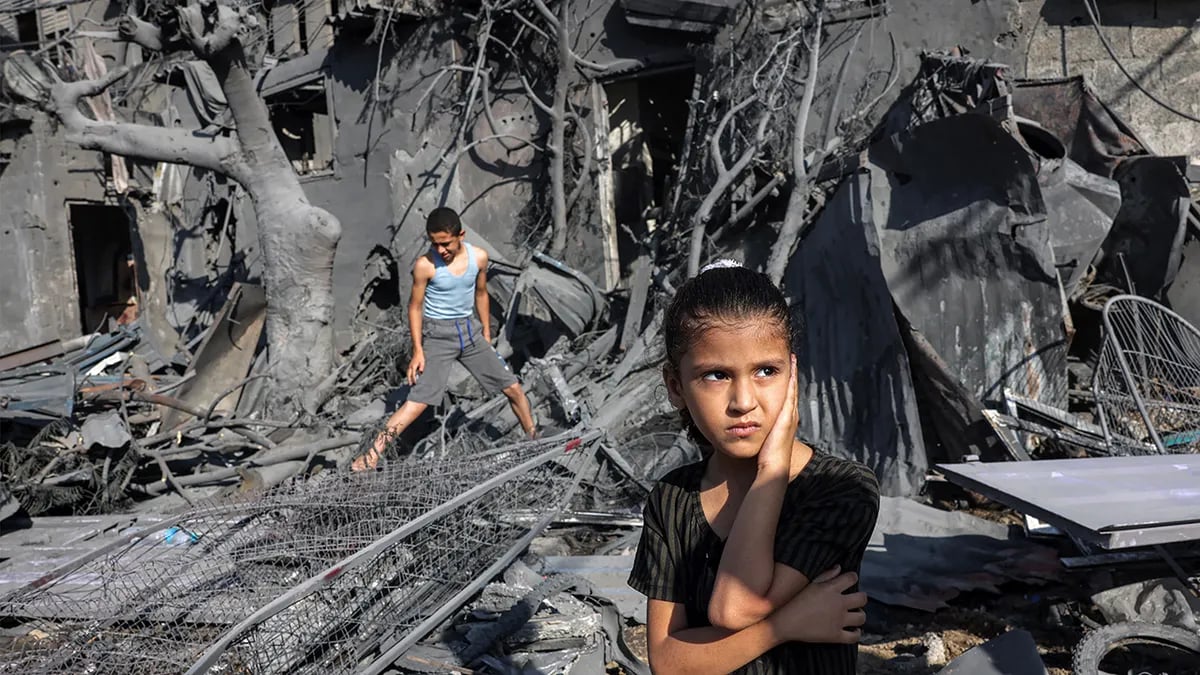
تقرير الأمم المتحدة: القوات الإسرائيلية تتصدر في انتهاكات الأطفال بغزة
 خليج
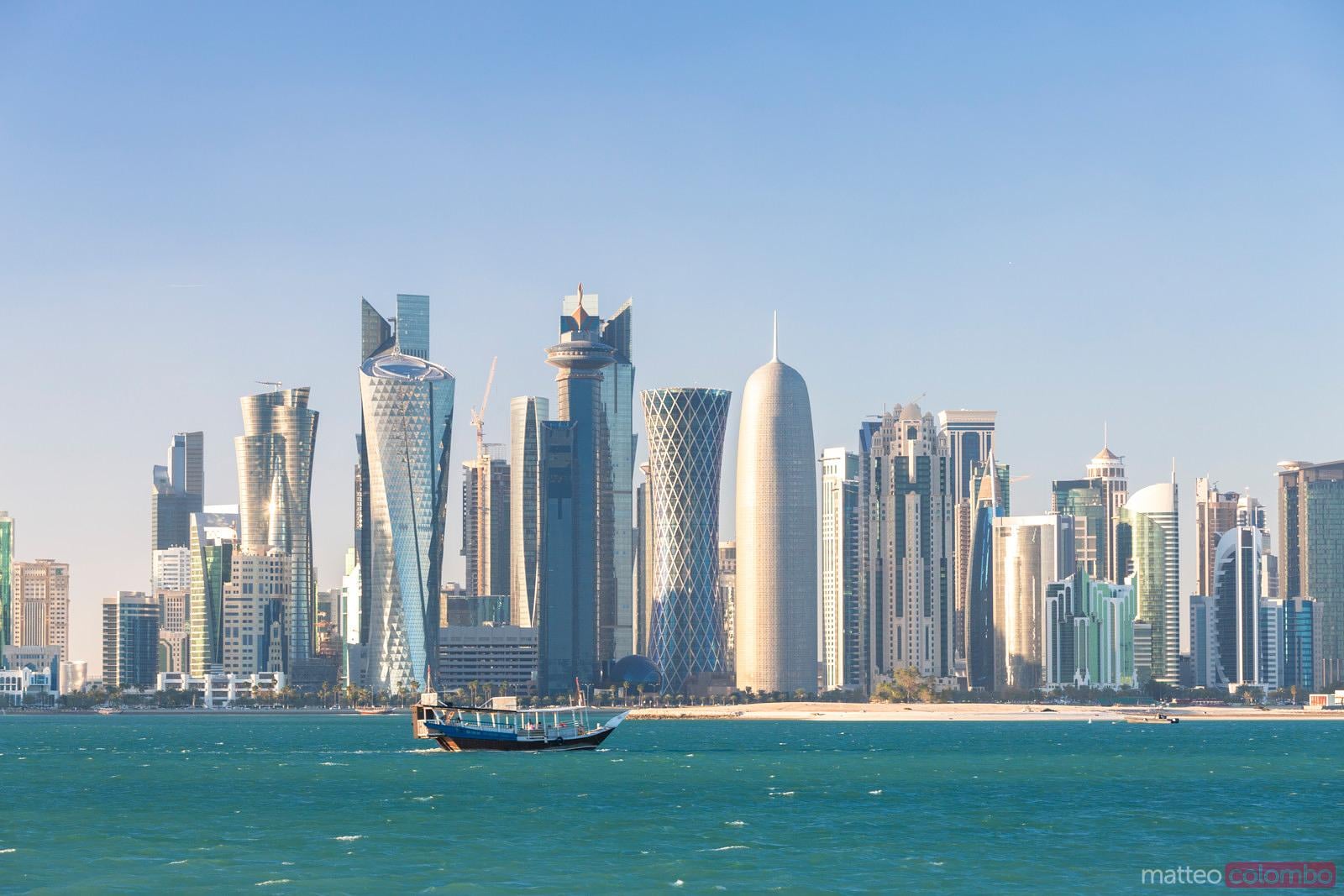
خليجقطر الأكثر سلاماً في الشرق الأوسط وشمال أفريقيا وفق مؤشر السلام العالمي 2026
 عام
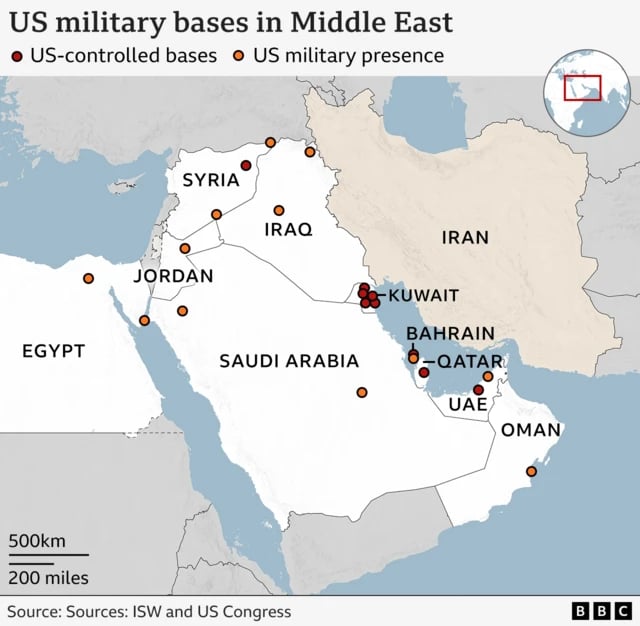
عاممصادر أميركية: مخاوف من تجسس على عملية صنع القرار بشأن الشرق الأوسط
 خليج
خليجتعود سباقات الفورمولا 1 مع جائزة ميامي الكبرى بعد إلغاء المنافسات في الشرق الأوسط
 عاجل
عاجل