

Africa's Sahara gas gamble: why Algeria's pipeline race should worry the Gulf
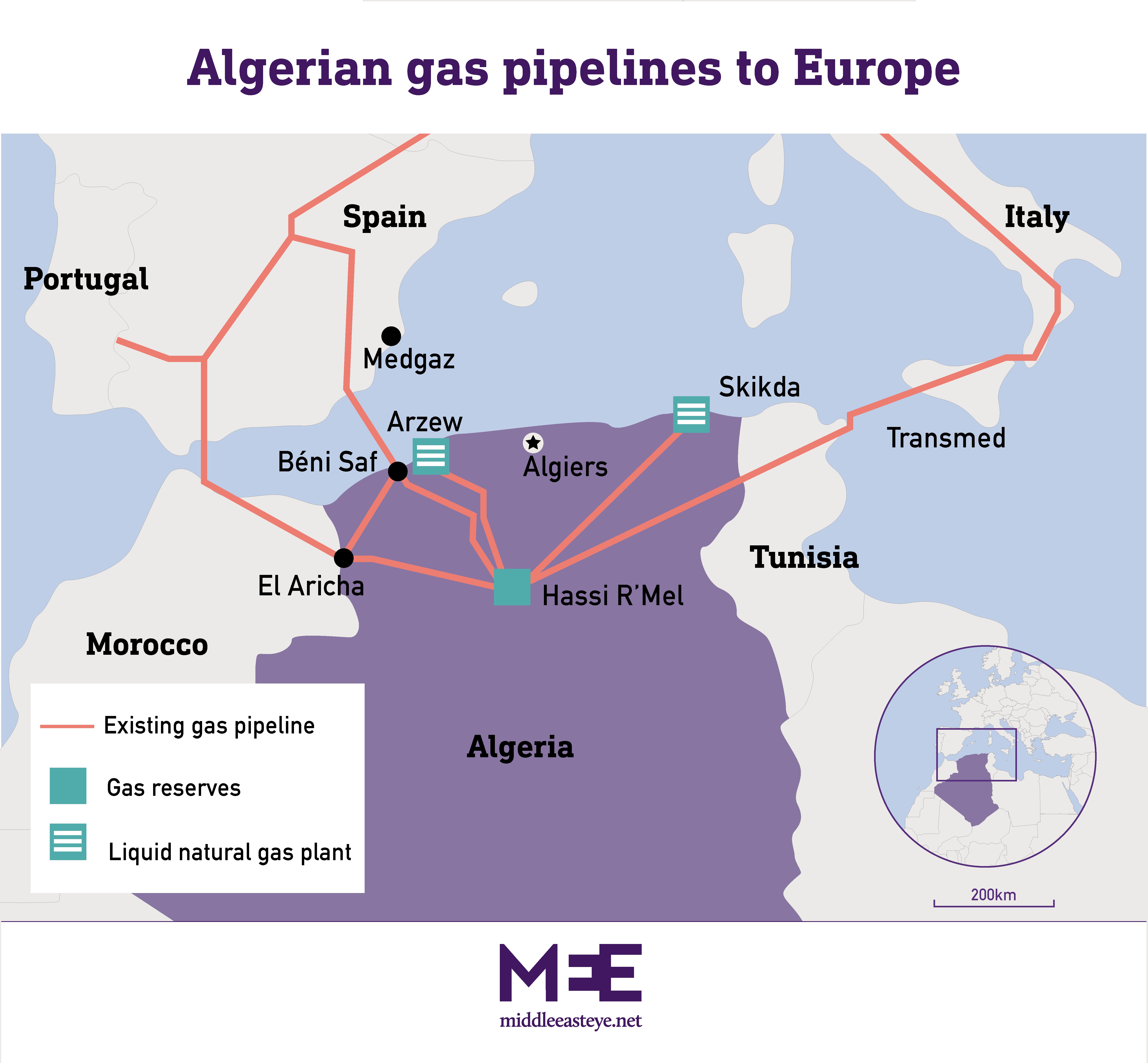
On June 4, in the desert at Oulf in Algeria's Adrar province, ministers from Algeria, Niger and Nigeria turned the first soil on a pipeline first dreamed up in the 1970s. The Trans-Saharan Gas Pipeline — 4,128 kilometres, up to 30 billion cubic metres a year, 10 to 13 billion US dollars — is finally being built. For energy producers from Doha to Houston, the question is no longer whether it can be built, but whether anyone will still need it when it is.
The launch followed the fifth ministerial steering-committee meeting in Algiers on June 3 and the adoption of an updated feasibility study by the UK engineering firm Penspen. Algeria's energy minister Mohamed Arkab announced construction of the Algerian section in the presence of his Nigerien and Nigerian counterparts. Algiers is betting on speed and simplicity: a route that plugs Nigerian gas into Algeria's existing trans-Mediterranean export system to Italy and Spain, rather than building everything from scratch.
That bet is not happening in a vacuum. Rabat is pushing a rival — the roughly 5,600-to-6,900-kilometre African Atlantic Gas Pipeline, a 25 billion US dollar coastal route threading up to 13 West African states to Morocco and on to Spain, for which Nigeria and Morocco are now courting US Development Finance Corporation money under a Trump administration eager to bankroll African gas. Two megaprojects, the same Nigerian gas, the same European buyer — and a feud underneath. Algeria severed ties with Morocco in 2021 over Western Sahara, and energy infrastructure has since become a tool of strategic denial between them.
Here is the paradox both capitals are ignoring. Under REPowerEU, the European Union is targeting a 44 percent fall in gas demand between 2025 and 2030. Russia's share of EU pipeline gas has already collapsed from around 40 percent in 2021 to roughly 6 percent in 2025. Algeria today supplies about a fifth of EU pipeline imports — yet Brussels pointedly does not plan to increase Algerian volumes, citing doubts over Algeria's own production. Both pipelines are being sized for a market that Europe is deliberately shrinking.
The Trans-Saharan route's advantage of speed and simplicity also runs through the most dangerous overland corridor on the continent. Its middle section crosses Niger, now governed by a junta that — with Mali and Burkina Faso — formed the Alliance of Sahel States after expelling Western forces, and is presiding over a worse security picture than it inherited. Islamic State Sahel Province has intensified cross-border raids along the Mali–Niger frontier, and saboteurs have already struck oil pipelines in south-western Niger. A buried steel tube carrying 30 billion cubic metres of gas across that terrain is not simply an asset; it is a target list thousands of kilometres long.
For Qatar, the world's largest LNG exporter and a supplier Europe has actively courted since 2022, African pipeline gas is direct competition for the same European customers. Yet the Gulf reading of this groundbreaking should be measured rather than anxious. Pipeline gas crossing a live insurgency on a decade-long build timeline, into a market contracting by nearly half, is precisely the kind of supply European buyers cannot fully trust — which is the structural advantage of seaborne, redirectable LNG. Qatar's North Field expansion sells flexibility and security of delivery; the Sahara sells distance and risk.
The honest verdict on June 4 is that two African states broke ground on competing answers to a question Europe is busy un-asking. Algeria's gamble may yet pay off if Niger holds, financing closes and European demand proves stickier than the models predict. That is a great many ifs, buried in a great deal of sand.
النسخة العربية
رهان الغاز الصحراوي في أفريقيا: لماذا يجب أن يقلق الخليج سباق أنابيب الجزائر
في 4 يونيو، في الصحراء في أولف في محافظة أدرار بالجزائر، قام وزراء من الجزائر والنيجر ونيجيريا بتحويل أول تربة لخط أنابيب كان قد حلم به لأول مرة في السبعينيات. خط أنابيب الغاز عبر الصحراء - 4,128 كيلومترًا، حتى 30 مليار متر مكعب في السنة، 10 إلى 13 مليار دولار أمريكي - أخيرًا يتم بناؤه. لمصنعي الطاقة من الدوحة إلى هيوستن، السؤال لم يعد ما إذا كان يمكن بناؤه، ولكن ما إذا كان أي شخص ما زال يحتاجه عندما يتم بناؤه.
أتى الإطلاق بعد الاجتماع الوزاري الخامس لللجنة التوجيهية في الجزائر في 3 يونيو وموافقة على دراسة جدوى محدثة من قبل شركة Penspen الهندسية البريطانية. أعلن وزير الطاقة الجزائري محمد آركاب عن بناء القسم الجزائري في حضور نظيريه النيجيري والنيجيري. الجزائر تراهن على السرعة والبساطة: مسار يربط الغاز النيجيري بنظام التصدير عبر المتوسط الحالي في إيطاليا وإسبانيا، بدلاً من بناء كل شيء من الصفر.
هذا الرهان لا يحدث في فراغ. الرباط تدفع منافسًا - خط أنابيب الغاز الأطلسي الأفريقي الذي يبلغ طوله حوالي 5,600 إلى 6,900 كيلومتر، وهو طريق ساحلي يبلغ تكلفتها 25 مليار دولار أمريكي يمر عبر 13 دولة أفريقية غربية إلى المغرب وإلى إسبانيا، والذي يبحث نيجيريا والمغرب الآن عن أموال من مؤسسة التمويل التنموي الأمريكية في إدارة ترامب الحريصة على تمويل الغاز الأفريقي. مشروعان ضخمان، نفس الغاز النيجيري، نفس المشتري الأوروبي - والخلاف يتحته.
More Stories
 Africa
Dangote Refinery in Nigeria launches Africa's largest IPO for retail investors
 Politics
Iraq Seizes Drone Platform Used to Target Saudi Oil Pipeline
 Economy
Saudi Oil Pipeline Hit by Iraqi Drones; Diesel Climbs to $6 Amid Global Supply Crisis
 Iran
IranIraq Moves to Contain Fallout After Iran-Backed Militias Accused of Saudi Pipeline Attack
 Iran
Iran