

Gulf Aviation Recovery Remains Fragile Amid Ongoing Iran War

Gulf aviation recovery remains fragile as the ongoing conflict in Iran continues to impact the region's air travel industry. The situation, which has been evolving since February 28, highlights the vulnerabilities faced by airlines and airports in the Gulf Cooperation Council (GCC) countries as they strive to rebound from the disruptions caused by the COVID-19 pandemic.
The aviation sector in the Gulf has been a critical component of the region's economy, contributing significantly to tourism, trade, and employment. However, the resurgence of tensions surrounding the Iran conflict has created uncertainty that threatens to derail the progress made in recent months. Airlines had begun to see a gradual increase in passenger numbers and flight operations as travel restrictions eased, but the renewed hostilities have raised concerns about safety and security in the airspace, leading to a cautious approach from both airlines and travelers.
Airlines operating in the Gulf region have faced numerous challenges, including fluctuating fuel prices, changing travel regulations, and shifting consumer confidence. The ongoing conflict has exacerbated these issues, with airlines reporting a decline in bookings and an increase in cancellations. Travelers are increasingly wary of flying over areas affected by conflict, which has led to a reevaluation of flight routes and schedules. This situation is particularly concerning for airlines that rely heavily on international travel, as the Gulf region is a major hub for connecting flights between Europe, Asia, and Africa.
The significance of the Gulf aviation recovery is not only economic but also geopolitical. The GCC countries have invested heavily in their aviation infrastructure, aiming to position themselves as global transport hubs. However, the instability caused by the Iran war poses a risk to these ambitions. As airlines navigate the complexities of operating in a volatile environment, the potential for long-term impacts on the region's aviation sector remains a pressing concern.
In the context of the broader Middle Eastern landscape, the Gulf's aviation recovery is intertwined with regional security dynamics. The conflict in Iran has implications that extend beyond national borders, affecting neighboring countries and their economic prospects. The GCC nations have historically sought to maintain stability in the region, and the current situation challenges their efforts to foster a secure and prosperous aviation market.
As the Gulf aviation industry grapples with these challenges, stakeholders are closely monitoring developments in the Iran conflict. The hope is that diplomatic efforts will lead to a resolution that allows for a more stable environment conducive to air travel. In the meantime, airlines and airports in the Gulf must adapt to the changing landscape, implementing strategies to reassure travelers and mitigate risks associated with the ongoing conflict.
The outlook for Gulf aviation remains uncertain, with recovery dependent on both the resolution of regional tensions and the ability of airlines to navigate the complexities of the current environment. As the situation evolves, the Gulf region's aviation sector will continue to reflect broader economic health and stability in the Middle East.
النسخة العربية
صناعة الطيران في الخليج تواجه تحديات كبيرة بسبب التوترات في إيران وتأثيرها على السفر
تواجه صناعة الطيران في منطقة الخليج تحديات كبيرة في ظل استمرار الحرب في إيران، مما يجعل عملية التعافي الاقتصادي لهذه الصناعة هشة وغير مستقرة. منذ 28 فبراير، تأثرت شركات الطيران في المنطقة بشكل ملحوظ بسبب التوترات المتزايدة، التي أثرت على حركة السفر الجوي وأدت إلى تراجع الطلب على الرحلات الجوية.
تعتبر صناعة الطيران من القطاعات الحيوية في دول الخليج، حيث تلعب دوراً مهماً في دعم الاقتصاد المحلي من خلال تعزيز السياحة والتجارة الدولية. ومع ذلك، فإن الحرب في إيران تسببت في اضطرابات كبيرة في هذا القطاع، حيث يشعر المسافرون بالقلق من السفر إلى المنطقة أو عبرها بسبب المخاوف الأمنية. أدى هذا الوضع إلى انخفاض في عدد الرحلات الجوية، مما أثر سلباً على إيرادات شركات الطيران.
تشير التقارير إلى أن شركات الطيران في الخليج قد شهدت تراجعاً في عدد الركاب والإيرادات منذ بداية الحرب في إيران. يأتي هذا التراجع في وقت كانت فيه هذه الشركات تحاول التعافي من آثار جائحة كوفيد-19، التي أثرت بشكل كبير على حركة الطيران العالمية. ومع استمرار التوترات في المنطقة، تواجه شركات الطيران تحديات إضافية في استعادة ثقة المسافرين وزيادة الطلب على الرحلات الجوية.
Source tweet
Iran war: Gulf aviation recovery remains fragile Gulf aviation recovery remains fragile since Feb. 28 amid Iran war, wi
More Stories
UNDP Director States Middle East Conflict Hinders Development, Impact Remains Post-War
 Gulf
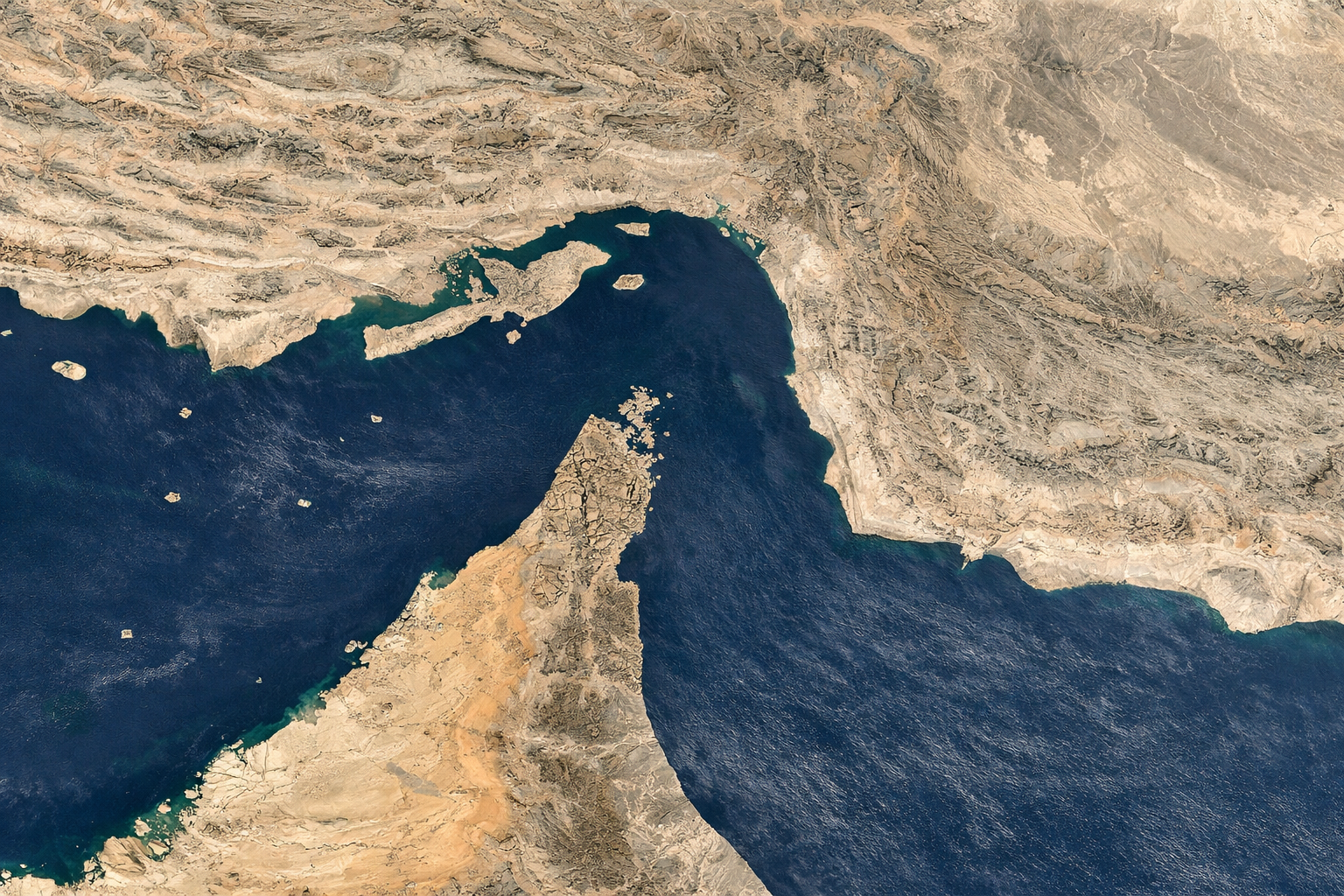
GulfStrait of Hormuz Remains Restricted Amid Fragile Ceasefire
Israeli Forces Expand Target List Amid Ongoing Violence in Gaza Strip
 BREAKING
U.S. Naval Destroyers Transit Strait of Hormuz Amid Ongoing Iran Conflict
 BREAKING