

Hezbollah has launched missile strikes on the Yuval outpost in the occupied Syrian Golan.
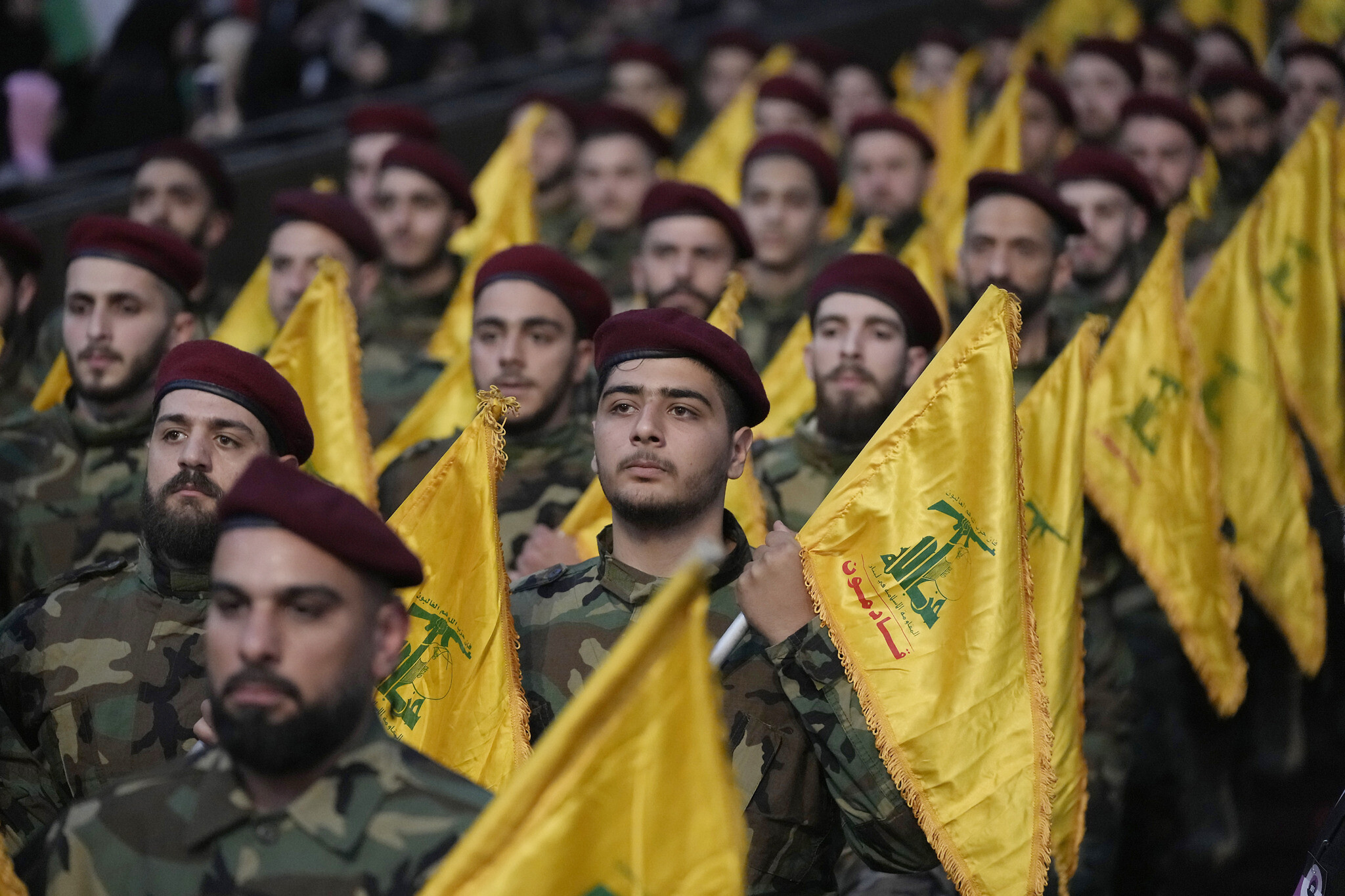
Hezbollah has launched missile strikes on the Yuval outpost in the occupied Syrian Golan, marking a significant escalation in regional tensions. Reports of the strikes emerged through a Telegram post by the news outlet @ajmubasher, indicating a direct military engagement that could have broader implications for the ongoing conflict in Syria and its neighboring countries.
The Yuval outpost, located in a strategically important area, has been a focal point of military activity and surveillance. The Golan Heights, captured by Israel from Syria during the 1967 Six-Day War, remains a contentious territory with a complex history of conflict and occupation. Hezbollah's actions are viewed as a response to the ongoing hostilities and military operations in Syria, where the group has been actively supporting the Assad regime against various opposition forces. These missile strikes could further complicate the already volatile situation, potentially provoking retaliatory actions from Israel, which has historically responded aggressively to threats along its borders.
The significance of this military engagement extends beyond immediate tactical considerations. It underscores the ongoing power struggles in the Middle East, particularly the influence of Iran-backed groups like Hezbollah in Syria and their capacity to project power against Israeli positions. This incident may also reflect Hezbollah's commitment to its role as a key player in the Syrian conflict and its broader objectives in confronting Israel. Such developments could alter the dynamics of the conflict, drawing in additional regional players and escalating military responses.
For Qatar and the Gulf states, the situation in the Golan Heights raises particular concerns due to the potential for increased instability in the region. The Gulf Cooperation Council (GCC) countries have been closely monitoring developments in Syria, as they have significant interests in maintaining regional security and countering Iranian influence. Hezbollah's missile strikes could heighten tensions not only between Israel and Hezbollah but also among various factions in the region, complicating diplomatic efforts aimed at achieving a peaceful resolution to the Syrian conflict.
As the situation evolves, it will be crucial for regional leaders to engage in dialogue and seek diplomatic solutions to prevent further escalation. The Gulf states, including Qatar, may need to reassess their strategies in light of these developments, particularly regarding their relationships with both Western allies and regional adversaries. The ongoing conflict in Syria, coupled with new military actions like those at the Yuval outpost, highlights the fragile nature of peace in the Middle East and the need for sustained international attention and intervention.
النسخة العربية
حزب الله يعلن قصف ثكنة يوآف في الجولان السوري المحتل بالصواريخ
أعلن حزب الله اللبناني عن تنفيذ هجوم صاروخي استهدف ثكنة يوآف في منطقة الجولان السوري المحتل. يأتي هذا التطور في سياق التوترات المتصاعدة في المنطقة، حيث تسعى الأطراف المختلفة إلى تعزيز مواقعها العسكرية والسياسية وسط تصاعد النزاعات الإقليمية.
يُعتبر الجولان السوري المحتل منطقة استراتيجية هامة، حيث تسيطر إسرائيل على هذه المنطقة منذ عام 1967 بعد حرب الأيام الستة. وقد شهدت المنطقة توترات متزايدة في السنوات الأخيرة، مع تزايد النشاط العسكري من قبل الجماعات المسلحة المختلفة، بما في ذلك حزب الله، الذي يُعتبر أحد أبرز الفصائل المسلحة في المنطقة والمدعوم من إيران.
يعكس الهجوم الأخير تصاعد التوترات بين حزب الله وإسرائيل، حيث يتبادل الطرفان الاتهامات بشن هجمات عبر الحدود. وقد شهدت الفترة الأخيرة سلسلة من التصعيدات العسكرية، حيث استهدفت إسرائيل مواقع تابعة لحزب الله في سوريا، بينما يرد الحزب بعمليات عسكرية ضد أهداف إسرائيلية في المنطقة.
Source tweet
Hezbollah has launched missile strikes on the Yuval outpost in the occupied Syrian Golan.
More Stories
 Gulf
GulfHow US-Israel Iran Strikes Hurt Qatar Gas Exports & Gulf Economies 2026
 Politics
Israeli Army Kills Two Hezbollah Members Near Lebanese Border
 Iran
IranIsrael Officials Say They May Not Get Desired Outcome On Iran Missiles
 BREAKING
North Korea Fires Multiple Ballistic Missiles Toward East Sea
 Politics