
Iran Claims Strait of Hormuz Will Remain Under Its Management
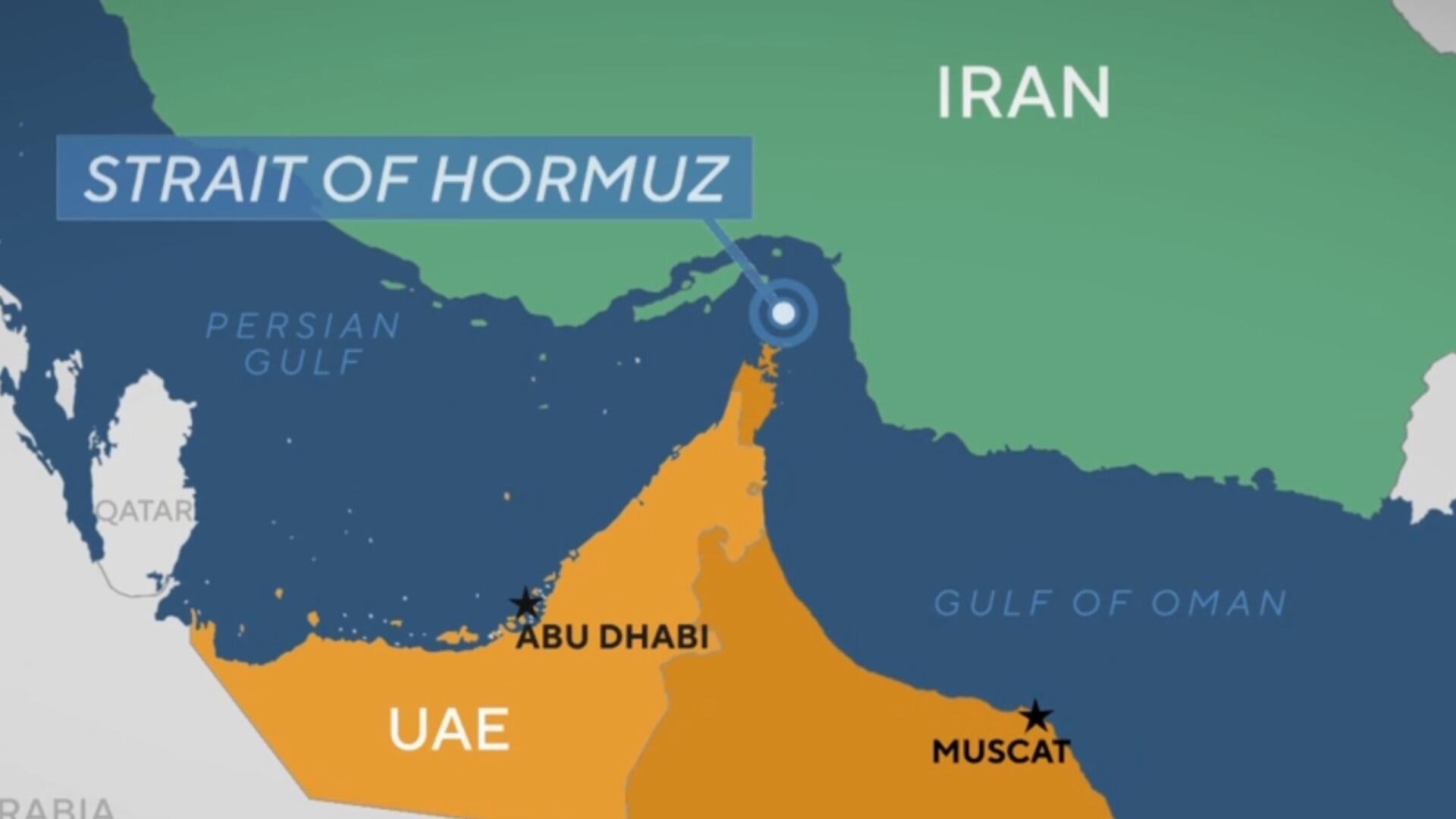
Tehran has firmly rejected recent statements from Washington suggesting that the United States could assume a role in managing the Strait of Hormuz, with Iranian officials insisting the strategic waterway will remain under Iran's sovereign management regardless of the outcome of ongoing negotiations. The declaration, attributed to senior Iranian sources and circulated through regional monitoring channels on Friday, signals Tehran's hardening position as nuclear and security talks with the Trump administration enter a delicate phase. An Iranian source quoted in the statement said control over the strait would remain in Iranian hands even in the event of a comprehensive agreement with the United States, framing the issue as a matter of non-negotiable national sovereignty. The Strait of Hormuz, a narrow chokepoint between Iran and Oman, carries roughly twenty percent of the world's petroleum liquids and a significant share of global liquefied natural gas exports, making any dispute over its management a matter of immediate concern for energy markets and Gulf capitals. Iranian officials have long maintained that the country's geography and naval presence afford it primary authority over shipping lanes in its territorial waters, while the United States Fifth Fleet, based in Bahrain, conducts patrols intended to safeguard commercial transit. Tehran's latest assertion follows recent American commentary suggesting that any normalization of relations could include arrangements affecting maritime security in the Gulf, comments that were viewed in Iran as overreach. For Qatar, which exports the majority of its liquefied natural gas through the strait, stability in the waterway is an existential commercial priority. Doha has consistently advocated for de-escalation between Tehran and Washington and has on multiple occasions served as a discreet channel for diplomatic messaging between the two capitals. Qatari officials have privately expressed concern that any rhetorical escalation over the strait risks unsettling shipping insurers and energy buyers, with knock-on effects for Gulf economies broadly. The broader Gulf Cooperation Council states have adopted a measured tone, prioritizing diplomatic engagement with Iran while continuing to coordinate with Western partners on maritime security. Analysts note that Iran's public posture is likely intended for domestic consumption as much as for Washington, reinforcing the leadership's image as a guardian of national assets at a moment when economic pressures at home remain acute. Whether the statement reflects a genuine red line or an opening bargaining position will become clearer in the coming rounds of talks. For now, Gulf capitals are watching closely, mindful that the strait remains the artery through which much of the region's prosperity flows.
النسخة العربية
عاجل | طهران تؤكد سيطرتها على مضيق هرمز
رفضت طهران بشكل قاطع التصريحات الأمريكية الأخيرة التي ألمحت إلى احتمال اضطلاع الولايات المتحدة بدور في إدارة مضيق هرمز، مؤكدةً أن هذا الممر المائي الاستراتيجي سيبقى تحت السيادة والإدارة الإيرانية بصرف النظر عن مآلات المفاوضات الجارية. وقد جاء هذا الإعلان، المنسوب إلى مصادر إيرانية رفيعة المستوى وتداولته قنوات الرصد الإقليمية يوم الجمعة، ليعكس تصلب الموقف الإيراني مع دخول المباحثات النووية والأمنية مع إدارة ترامب مرحلة حساسة. وأوضح مصدر إيراني نقلت عنه البيانات أن السيطرة على المضيق ستظل في يد إيران حتى في حال التوصل إلى اتفاق شامل مع واشنطن، مؤكداً أن هذه المسألة تتعلق بالسيادة الوطنية وليست قابلة للتفاوض. ويُعدّ مضيق هرمز، الممر الضيق الفاصل بين إيران وسلطنة عُمان، شرياناً حيوياً يمر عبره ما يقارب عشرين بالمئة من الإمدادات النفطية العالمية، إضافة إلى حصة كبيرة من صادرات الغاز الطبيعي المسال، مما يجعل أي خلاف حول إدارته مصدر قلق فوري لأسواق الطاقة وعواصم الخليج. وطالما أكد المسؤولون الإيرانيون أن الجغرافيا والوجود البحري الإيراني يمنحان طهران الصلاحية الأولى على الممرات الملاحية ضمن مياهها الإقليمية، في حين يقوم الأسطول الأمريكي الخامس المتمركز في البحرين بتسيير دوريات لضمان سلامة الملاحة التجارية. ويأتي التأكيد الإيراني الجديد في أعقاب تصريحات أمريكية أشارت إلى أن أي تطبيع للعلاقات قد يتضمن ترتيبات تمس الأمن البحري في الخليج، وهي تصريحات اعتُبرت في طهران تجاوزاً للحدود. وبالنسبة لقطر التي تصدّر معظم إنتاجها من الغاز الطبيعي المسال عبر هذا المضيق، فإن استقرار الممر يمثّل أولوية تجارية وجودية. وقد دأبت الدوحة على الدعوة إلى تهدئة التوترات بين طهران وواشنطن، واضطلعت في مناسبات عدة بدور القناة الدبلوماسية الهادئة بين العاصمتين. وأبدى مسؤولون قطريون في مجالس خاصة قلقهم من أن أي تصعيد لفظي بشأن المضيق قد يربك شركات التأمين البحري ومشتري الطاقة، مع تداعيات محتملة على اقتصادات الخليج برمّتها. وقد تبنّت دول مجلس التعاون الخليجي نبرة متّزنة، مُقدِّمةً الانخراط الدبلوماسي مع إيران مع الاستمرار في التنسيق مع الشركاء الغربيين بشأن الأمن البحري. ويرى محللون أن الموقف الإيراني العلني موجّه للداخل بقدر ما هو موجّه لواشنطن، إذ يعزّز صورة القيادة بوصفها حارسة للثروات الوطنية في لحظة تشتد فيها الضغوط الاقتصادية في الداخل. وتبقى عواصم الخليج تترقب عن كثب، مدركةً أن المضيق هو الشريان الذي يتدفق عبره معظم ازدهار المنطقة.
Source tweet
🚨 BREAKING | Iran rejects US claim on Strait of Hormuz control. Tehran insists it will remain under Iranian management, even with a deal. #StraitOfHormuz #Iran
More Stories
 BREAKING
Russia and Qatar discuss Hormuz Strait security concerns
 Iran
IranTrump Claims US-Israel Strikes Destroyed Iran's Military Capability
 BREAKING
Trump Claims U.S. Seizure of Ships in Hormuz "Profitable Business
 Economy
Hormuz: A Data Black Hole
 Diplomacy