
Iran Retains Control of Strait of Hormuz in New Peace Plan, Generating $100 Billion Annually
Iran has secured control of the Strait of Hormuz under a newly proposed peace framework, positioning the Islamic Republic to extract approximately $100 billion annually through transit fees and economic arrangements with global shipping interests. The framework represents a significant geopolitical shift that would fundamentally alter the cost structure of global energy and goods trade, with Gulf exporters and their primary buyers bearing the financial burden rather than Washington.
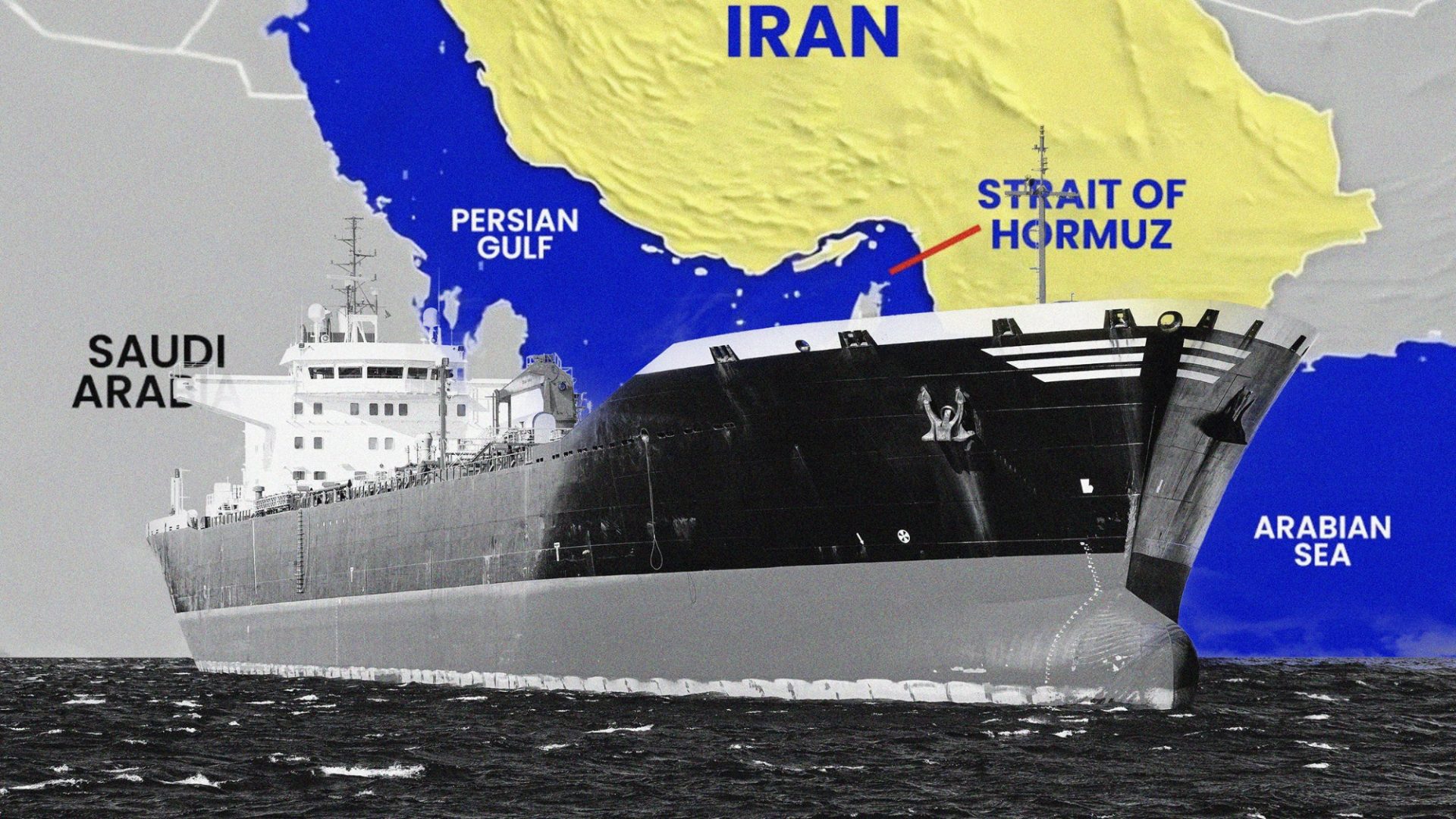
The Strait of Hormuz, a 21-mile waterway separating Iran from Oman, remains the world's most critical energy chokepoint. Roughly one-third of all seaborne traded oil and nearly 20 percent of global liquefied natural gas pass through these waters annually. Any entity controlling the passage effectively holds leverage over the world's energy security and economic stability.
Under the proposed arrangement, Iran would formalize its authority over maritime traffic through a combination of transit fees, safety protocols, and regulatory frameworks that would generate substantial revenue streams. The $100 billion annual figure reflects projections based on current shipping volumes, insurance costs, and port facility fees that would transition to Iranian jurisdiction or control. Energy-exporting nations in the Gulf Cooperation Council, including Saudi Arabia, the UAE, and Qatar, would face increased operational costs that would be partially or fully passed to end-buyers in China, India, and European Union member states.
For Qatar specifically, the implications are mixed. As a major exporter of liquefied natural gas and petrochemicals through Gulf shipping lanes, Qatari businesses would encounter additional transit expenses. However, Qatar's historical positioning as a diplomatic bridge between Iran and Western powers could provide negotiating advantages in securing favorable transit terms or exemptions. Doha has maintained channels of communication with Tehran that many Arab capitals lack, potentially translating into economic benefits during implementation.
China, India, and the European Union would experience the most direct economic impact. These three economic blocs collectively account for the majority of Middle Eastern oil imports and represent the primary market for Gulf LNG exports. Increased transit costs would be reflected in energy prices and ultimately absorbed by consumers across Asia, Europe, and developing economies dependent on affordable energy supplies.
The framework reflects broader shifts in Middle Eastern power dynamics following years of regional conflict and the gradual realignment of alliances. Iran's consolidation of Strait control eliminates uncertainty around access to vital shipping lanes and creates a predictable, if costly, mechanism for international commerce. It also reinforces Tehran's position as the region's primary naval power and establishes a revenue model that could fund military modernization and regional influence campaigns.
Implementation details remain unclear, including enforcement mechanisms, dispute resolution processes, and whether existing bilateral maritime agreements would remain valid. The international maritime community has indicated concerns about potential disruption to established shipping practices and global trade law. Nevertheless, the framework's emergence signals that Iran has successfully leveraged regional military capabilities and geographic advantage into formal economic and political concessions.
النسخة العربية
إيران تحتفظ بالسيطرة الكاملة على مضيق هرمز بموجب خطة "سلام" جديدة، قد تحقق لها 100 مليار دولار سنوياً كتعويضات حرب
أعلنت إيران تأمين السيطرة الكاملة على مضيق هرمز بموجب إطار سلام مقترح حديثاً، مما يضع الجمهورية الإسلامية في موضع تحصيل ما يقارب مائة مليار دولار سنوياً من خلال رسوم العبور والترتيبات الاقتصادية مع مصالح الملاحة البحرية العالمية. ويمثل هذا الإطار تحولاً جيوسياسياً كبيراً يعيد تشكيل البنية الاقتصادية للتجارة العالمية، حيث سيتحمل المصدرون في الخليج والمشترون الرئيسيون لهم الأعباء المالية بدلاً من الولايات المتحدة الأمريكية.
يعتبر مضيق هرمز، وهو ممر مائي بعرض واحد وعشرين ميلاً يفصل إيران عن عمّان، أهم نقطة اختناق للطاقة في العالم. يمر عبر هذه المياه تقريباً ثلث كل النفط المتداول بحراً وحوالي عشرين في المئة من غاز طبيعي مسيّل عالمي سنوياً. وأي كيان يسيطر على هذا الممر يملك فعلياً نفوذاً على أمن الطاقة العالمي والاستقرار الاقتصادي.
بموجب الترتيب المقترح، ستضفي إيران الطابع الرسمي على سلطتها على حركة المرور البحري من خلال مجموعة من رسوم العبور وبروتوكولات السلامة والأطر التنظيمية التي ستولد تدفقات إيرادات ضخمة. يعكس رقم المائة مليار دولار سنوياً التوقعات المستندة على أحجام الشحن الحالية وتكاليف التأمين والرسوم المرفقية التي ستنتقل إلى الاختصاص أو السيطرة الإيرانية.
Source tweet
🚨 BREAKING | Iran's peace plan grants control over Strait of Hormuz Iran's control over the strategic Strait could yield $100 billion annually, shifting costs to Gulf exporters. Buyers in China, India, and the EU might face increased financial burdens. #Iran #StraitOfHormuz #BreakingNews
More Stories
 Gulf
GulfShips Attacked Near Hormuz
Iran Seeks Control
 Diplomacy
Iran Highlights Hormuz
 BREAKING
Russia and Qatar discuss Hormuz Strait security concerns
 BREAKING