

Iran War Disrupts Bangladesh's Garment Industry Exports Amid Rising Costs

The escalating conflict involving Iran is sending shockwaves through Bangladesh's vital garment export sector, as shipping disruptions, surging fuel costs and energy shortages threaten the backbone of the South Asian nation's economy.
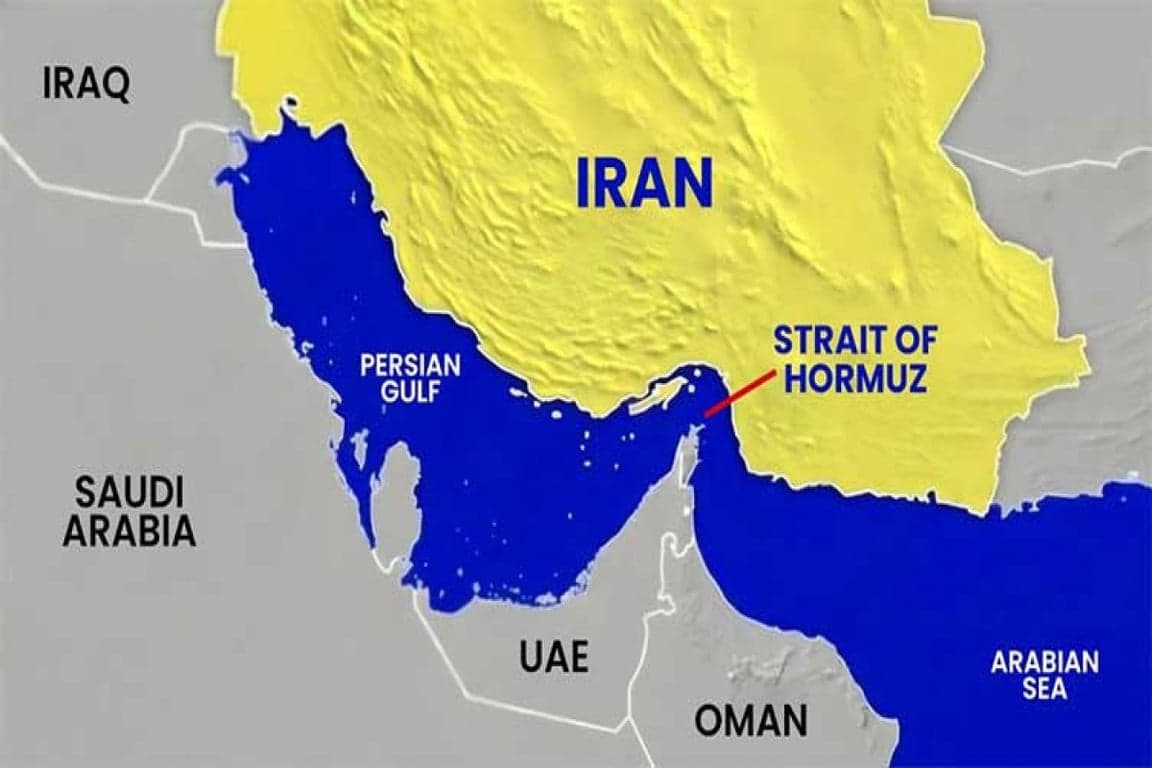
Bangladesh's ready-made garment industry, which accounts for more than 80 percent of the country's export earnings and employs roughly four million workers, is facing its most severe logistical crisis in years. The hostilities in the Persian Gulf region have driven up maritime insurance premiums and forced major shipping lines to reroute vessels away from the Strait of Hormuz, adding days to delivery schedules and compounding costs that manufacturers say they can no longer absorb.
Industry leaders in Dhaka report that freight rates on key routes to Europe and North America have surged by as much as 35 percent since the onset of hostilities, while the price of bunker fuel has climbed sharply on global markets. The disruptions come at a particularly vulnerable moment for Bangladeshi exporters, who were already contending with thin margins, intensifying competition from Vietnam and Cambodia, and lingering effects of global inflation on consumer demand in Western markets.
Energy shortages have compounded the crisis domestically. Bangladesh relies heavily on imported liquefied natural gas to power its factories, and the conflict has tightened global LNG supplies while pushing spot prices to multi-month highs. Rolling power cuts in industrial zones around Dhaka and Chittagong have forced some factories to curtail production or shift to costly diesel generators, further eroding competitiveness.
The situation carries direct implications for Qatar, the world's largest LNG exporter and a key supplier to South Asian markets. Doha has maintained its commitment to long-term supply contracts even as spot market volatility intensifies, and Qatari officials have emphasized the importance of energy security partnerships with developing nations. Qatar's North Field expansion project, which aims to boost LNG output by more than 60 percent by the end of the decade, is seen as a critical stabilizing factor for energy-dependent economies like Bangladesh.
Gulf states more broadly stand to play a pivotal role in mitigating the economic fallout. The Gulf Cooperation Council has historically maintained strong trade ties with Bangladesh, and Qatari investments in infrastructure and energy across South Asia position Doha as a key partner in navigating the crisis.
Western fashion brands that source heavily from Bangladesh, including major European and American retailers, have begun issuing warnings about potential delays and price increases for autumn collections. The Bangladesh Garment Manufacturers and Exporters Association has called on the government to negotiate emergency energy import agreements and provide subsidies to offset the rising cost of doing business.
Analysts warn that a prolonged conflict could accelerate a structural shift in global garment supply chains, pushing buyers toward nearshoring options in Turkey, Morocco and Central America. For Bangladesh, where the garment sector supports the livelihoods of tens of millions, the stakes could hardly be higher.
النسخة العربية
تصعيد الصراع مع إيران يهدد صناعة الملابس الجاهزة في بنغلاديش وأمنها الاقتصادي
يُلقي التصعيد العسكري المرتبط بالصراع مع إيران بظلاله الثقيلة على قطاع صناعة الملابس الجاهزة في بنغلاديش، إذ تتضافر اضطرابات الشحن البحري وارتفاع تكاليف الوقود ونقص الطاقة لتهديد العمود الفقري لاقتصاد هذا البلد الآسيوي.
ويمثل قطاع الملابس الجاهزة أكثر من ثمانين بالمئة من عائدات التصدير البنغلاديشية، ويوفر فرص عمل لنحو أربعة ملايين عامل، غير أنه يواجه اليوم أشد أزمة لوجستية منذ سنوات. فقد أدت الأعمال العدائية في منطقة الخليج العربي إلى ارتفاع حاد في أقساط التأمين البحري، وأجبرت شركات الشحن الكبرى على تغيير مسارات سفنها بعيداً عن مضيق هرمز، مما أضاف أياماً إلى جداول التسليم وضاعف التكاليف التي يقول المصنعون إنهم لم يعودوا قادرين على تحملها.
وأفاد قادة الصناعة في دكا بأن أسعار الشحن على الطرق الرئيسية نحو أوروبا وأمريكا الشمالية قفزت بنسبة تصل إلى خمسة وثلاثين بالمئة منذ اندلاع الأعمال العدائية، فيما ارتفعت أسعار وقود السفن بشكل ملحوظ في الأسواق العالمية. وتأتي هذه الاضطرابات في لحظة بالغة الحساسية بالنسبة للمصدرين البنغلاديشيين الذين يعانون أصلاً من هوامش ربح ضئيلة ومنافسة متزايدة من فيتنام وكمبوديا.
Source tweet
👕 Iran war tightens squeeze on Bangladesh’s garment engine 📉 Shipping disruptions, rising fuel costs and energy shor
More Stories
Qatar Jet Fuel Shortage 2026: Hamad Airport Crisis Disrupts Qatar Airways Routes
 Gulf
GulfHow US-Israel Iran Strikes Hurt Qatar Gas Exports & Gulf Economies 2026
 Economy
Iran Hormuz Blockade 2026: Qatar LNG and Gulf Oil Exports at Risk
 Iran
Iran