

Iran's military spokesperson warns that the Strait of Hormuz is no longer safe due to U.S. provocations, emphasizing
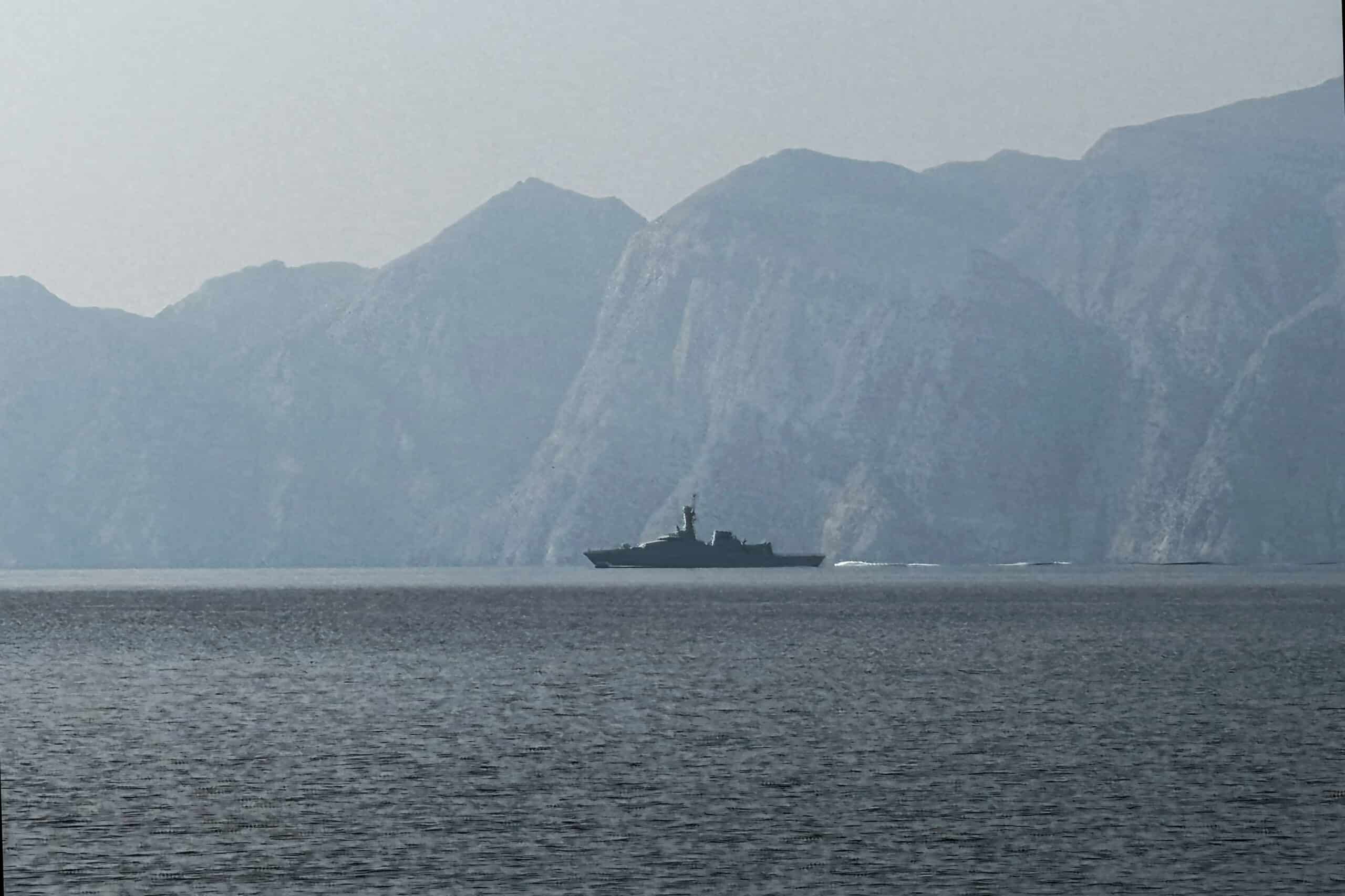
Iran's military spokesperson has issued a warning that the Strait of Hormuz, a crucial maritime passage for global oil shipments, is no longer safe due to increasing provocations from the United States. This statement underscores the escalating tensions in the region, exacerbated by a series of military maneuvers and diplomatic confrontations between Iran and the U.S.
The Strait of Hormuz is a vital waterway through which approximately 20% of the world's oil passes, making it a focal point for international trade and energy security. Iran's warning comes amid heightened military activity in the region, including U.S. naval deployments and exercises that Tehran views as direct threats to its sovereignty. The Iranian military has consistently expressed its readiness to respond to any perceived aggression, indicating a potential for conflict that could disrupt global oil supplies and escalate regional instability.
This warning reflects a broader pattern of hostilities between Iran and the U.S. over recent years. Following the U.S. withdrawal from the Joint Comprehensive Plan of Action (JCPOA) in 2018, relations between the two nations have deteriorated, leading to confrontations in the Persian Gulf. Iran has frequently challenged U.S. naval presence in the region, and recent incidents involving the seizure of oil tankers have further strained relations.
The implications of a less secure Strait of Hormuz extend beyond Iran and the United States. Countries that rely heavily on oil imports, particularly in Europe and Asia, could face significant economic repercussions if tensions lead to disruptions in shipping. Gulf states, including Qatar, are particularly attentive to these developments, given their strategic interests in maintaining regional stability. Qatar, as one of the world's leading liquefied natural gas exporters, is acutely aware of the potential for any conflict to impact energy markets and supply chains.
As the situation unfolds, the international community is closely monitoring developments in the Strait of Hormuz. Diplomatic efforts to de-escalate tensions have been sporadic, and the potential for miscalculation remains high. Gulf Cooperation Council (GCC) states, including Qatar, may seek to mediate to prevent further escalation and promote dialogue between Iran and the U.S. The stability of the region is crucial not only for the Gulf states but also for the global economy, which is sensitive to fluctuations in oil prices and supply.
Iran's warning about the safety of the Strait of Hormuz serves as a reminder of the fragile security dynamics in the region. As the U.S. maintains its military presence and Iran responds defiantly, the potential for conflict looms large, with far-reaching consequences for the Gulf and beyond. The need for diplomatic engagement and conflict resolution is pressing to ensure the safety of one of the world's most important maritime chokepoints.
النسخة العربية
المتحدث باسم الجيش الإيراني: مضيق هرمز لم يُغلق، لكنه أصبح غير آمن نتيجة الاستفزازات الأمريكية
حذر المتحدث باسم الجيش الإيراني من أن مضيق هرمز، الذي يُعد أحد أهم الممرات المائية في العالم لنقل النفط، لم يُغلق بعد، لكنه أصبح غير آمن بسبب ما وصفه بالاستفزازات الأمريكية. تأتي هذه التصريحات في ظل تصاعد التوترات بين الولايات المتحدة وإيران، مما يثير مخاوف بشأن استقرار المنطقة وأمن الملاحة البحرية.
يشكل مضيق هرمز نقطة حيوية في التجارة العالمية، حيث يمر عبره نحو 20% من النفط المنقول بحراً، مما يجعله محط أنظار القوى العالمية. أي تهديد لأمن هذا الممر يمكن أن يؤثر بشكل كبير على أسعار النفط العالمية ويزعزع استقرار الأسواق. التصريحات الإيرانية تأتي في وقت تشهد فيه العلاقات بين طهران وواشنطن توتراً متزايداً، خاصة بعد انسحاب الولايات المتحدة من الاتفاق النووي الإيراني في عام 2018 وفرضها عقوبات اقتصادية صارمة على إيران.
التوترات في مضيق هرمز ليست جديدة، فقد شهد الممر البحري عدة مواجهات بين القوات البحرية الإيرانية والأمريكية في السنوات الأخيرة. وقد زادت هذه التوترات بعد أن قامت الولايات المتحدة بتعزيز وجودها العسكري في المنطقة، مما دفع إيران إلى اتخاذ خطوات مماثلة. هذه التطورات تزيد من احتمالية وقوع حوادث أو مواجهات غير مقصودة قد تؤدي إلى تصعيد أكبر.
Source tweet
Iran's military spokesperson warns that the Strait of Hormuz is no longer safe due to U.S. provocations, emphasizing escalating tensions in the region.
More Stories
 Iran
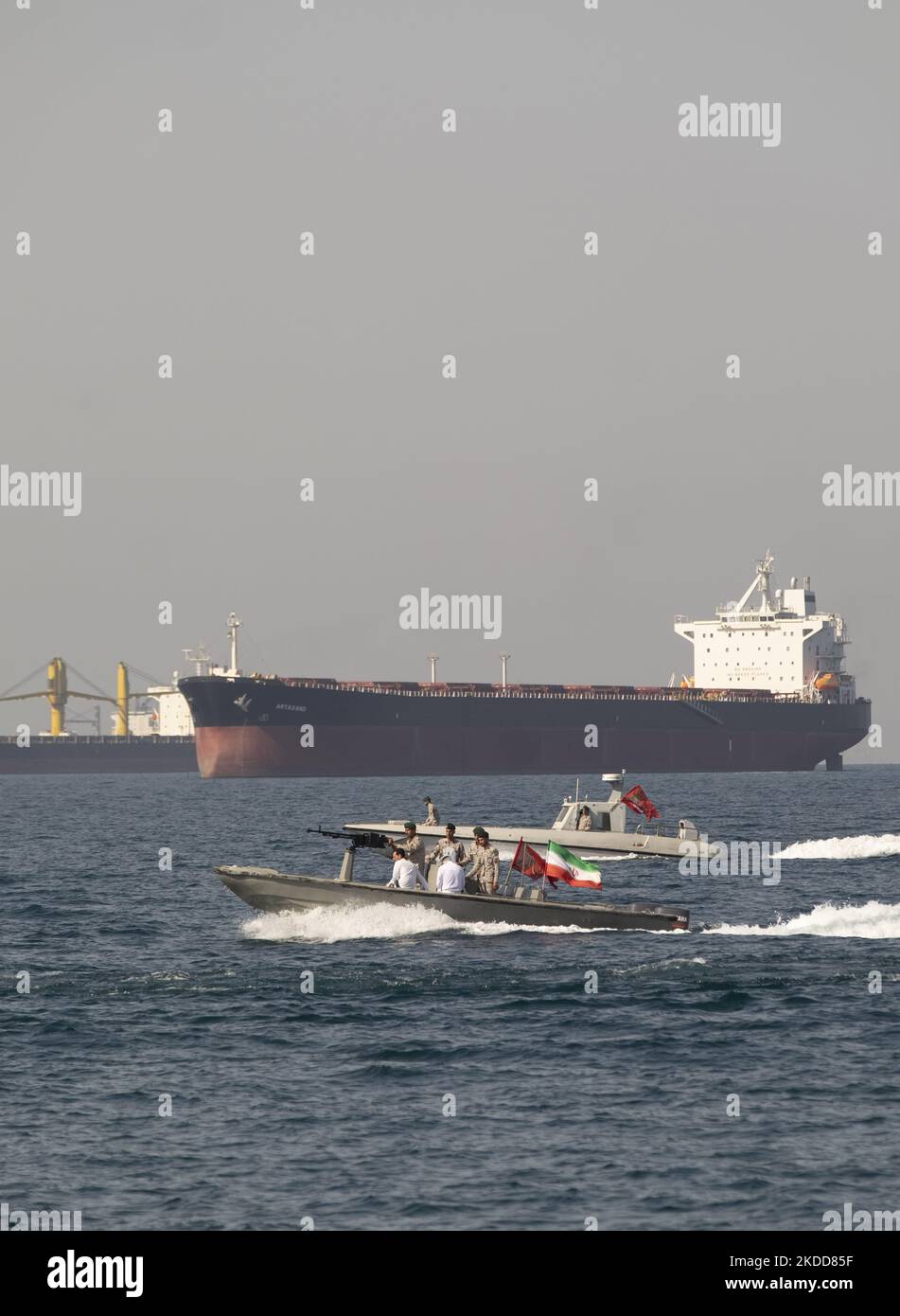
IranUS Plans to Target Iran's Capabilities in Strait of Hormuz
 Iran
IranNBC Reports 12 Ships Passed Through Strait of Hormuz in 24 Hours
 Diplomacy
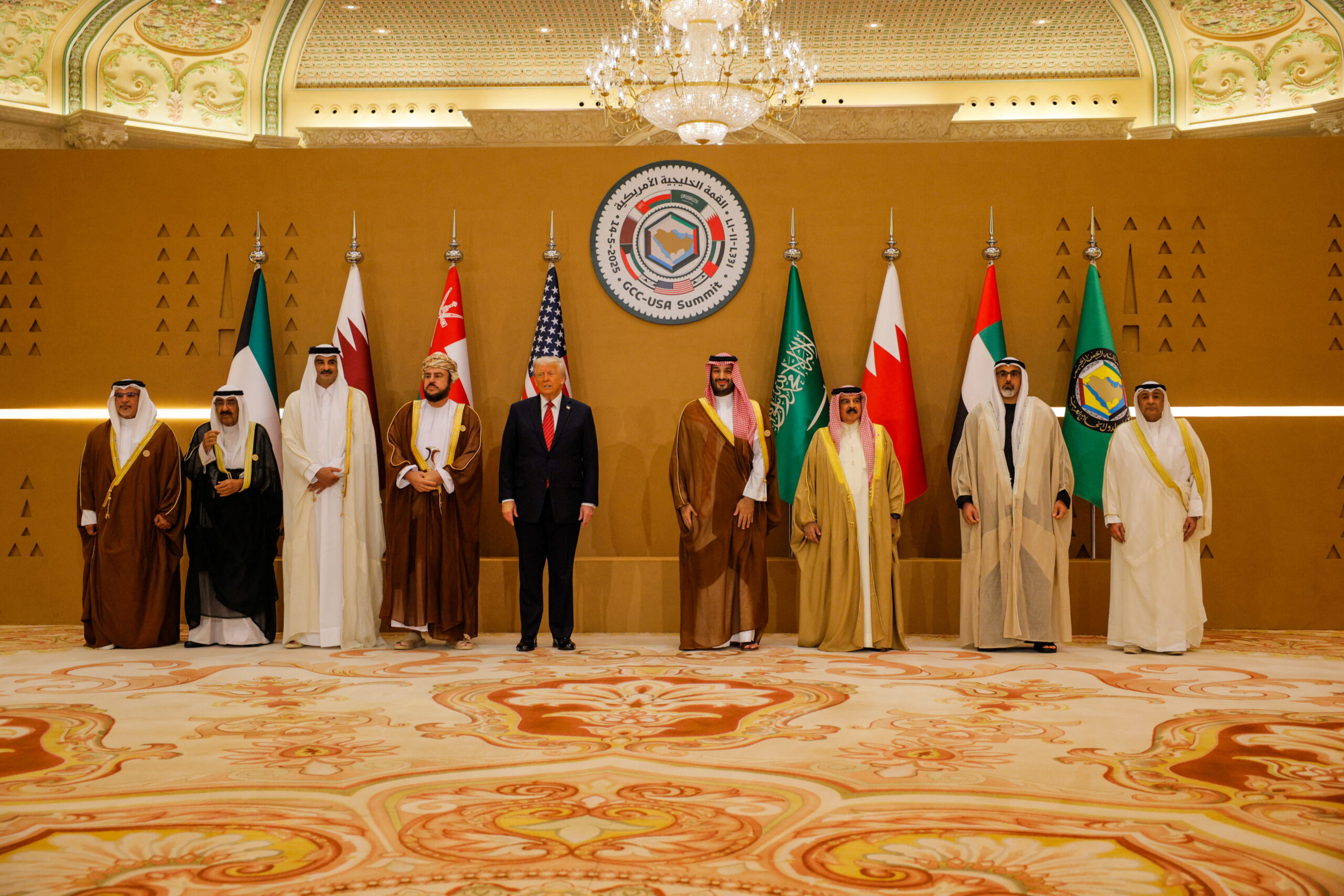
Bahrain Summit: Gulf States Demand US Action Against Iran's Agenda
 Iran
IranIranian Forces Divert Two Oil Tankers in Strait of Hormuz
 Diplomacy