

Israeli officials report that the number of rockets launched from Iran since the war began is about 80% lower than
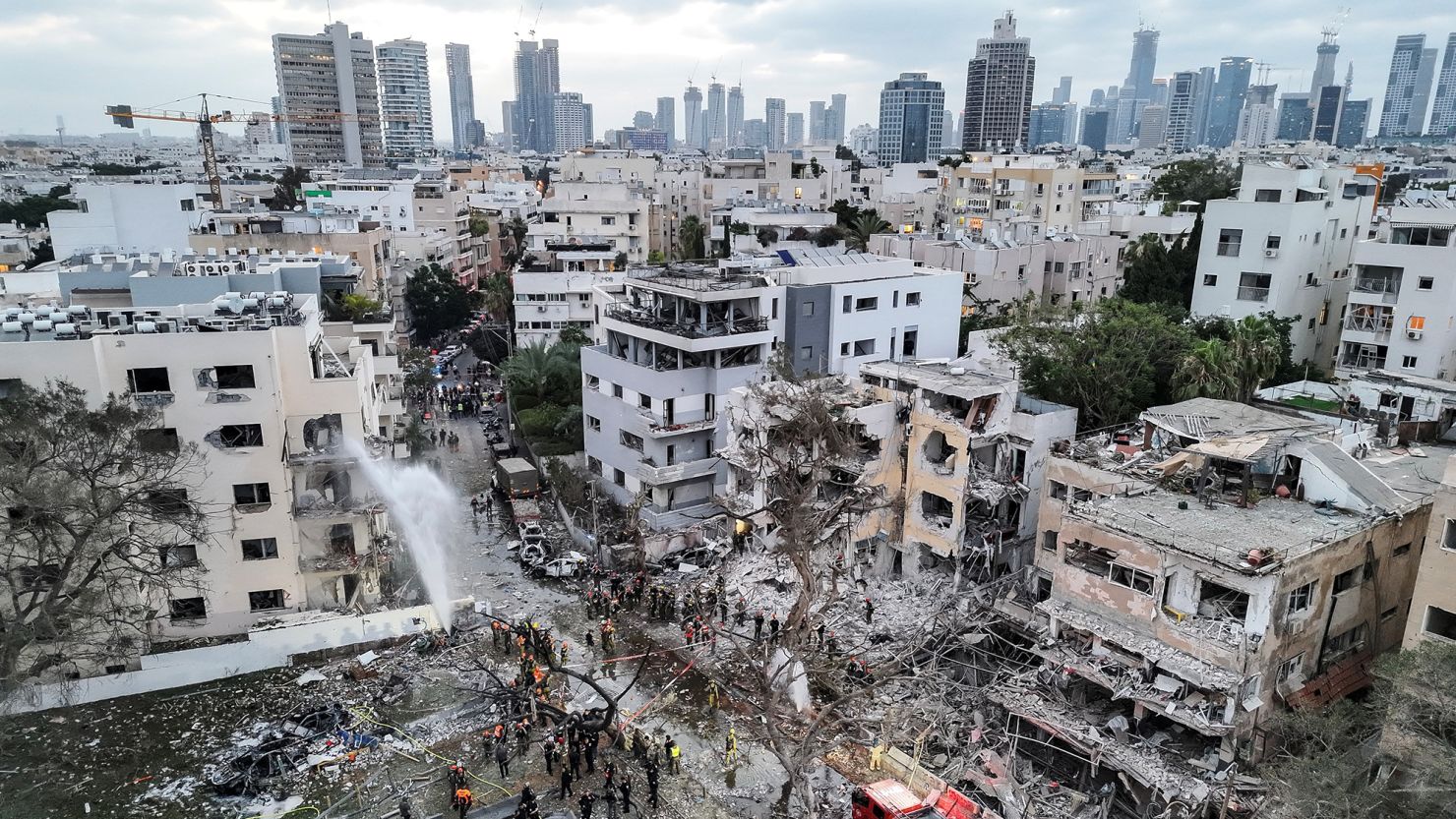
Israeli officials have reported that the number of rockets launched from Iran since the onset of the current conflict is approximately 80% lower than anticipated, highlighting the intricate dynamics of regional conflicts in the Middle East. This revelation comes amid ongoing tensions and military actions involving various factions in the region, particularly in light of the recent escalation between Israel and Hamas.
The report from Israeli sources suggests that while there were expectations of increased Iranian support for militant groups in the region, particularly in the context of the ongoing conflict, the actual number of rockets fired from Iran has not materialized to the extent that analysts had predicted. This discrepancy raises questions about Iran's strategic calculations and its willingness to engage directly in the conflict, as well as the effectiveness of its military support to allied groups.
The significance of this development lies in its implications for regional security and the balance of power. Iran has long been viewed as a key player in supporting various militant organizations across the Middle East, including Hezbollah in Lebanon and Hamas in Gaza. The lower-than-expected rocket launches could indicate a shift in Iran's approach, possibly reflecting concerns about escalating tensions with Israel or the potential for wider conflict that could draw in other regional actors.
Furthermore, the reduced rocket activity may suggest that Iran is recalibrating its military strategy in response to international pressures and the evolving geopolitical landscape. The complexities of the conflict dynamics in the region are underscored by the interplay of various state and non-state actors, each with their own agendas and capabilities. The situation remains fluid, and the strategic decisions made by Iran and its allies will continue to shape the trajectory of the conflict.
From a Gulf perspective, the implications of this development are significant. Gulf states have been closely monitoring the situation, given their own security concerns regarding Iranian influence in the region. The reduced rocket launches from Iran may provide a temporary sense of relief for Gulf nations, but it also emphasizes the need for continued vigilance and diplomatic engagement to address the underlying tensions that fuel conflicts in the Middle East.
As the situation evolves, the international community will be watching closely to see how these dynamics unfold and what they mean for the broader stability of the region. The complexities of the Middle East conflict landscape remain challenging, and the actions of Iran and its allies will be pivotal in shaping future developments.
النسخة العربية
الإذاعة الإسرائيلية: مسؤول أمني يكشف أن أعداد الصواريخ التي أطلقت من إيران منذ بداية الحرب أقل بنحو 80% مما كان متوقعاً
كشفت الإذاعة الإسرائيلية عن تصريح لمسؤول أمني إسرائيلي يشير إلى أن عدد الصواريخ التي أطلقت من إيران منذ بداية الحرب أقل بنحو 80% مما كان متوقعاً. يعكس هذا التصريح تغيراً مهماً في ديناميكيات الصراع الإقليمي ويثير تساؤلات حول الأسباب الكامنة وراء هذا الانخفاض الكبير.
منذ اندلاع الحرب، كانت التوقعات تشير إلى أن إيران ستلعب دوراً أكبر في تصعيد الأوضاع من خلال إطلاق عدد كبير من الصواريخ. إلا أن الأرقام الفعلية جاءت مخالفة لهذه التوقعات، مما يثير تساؤلات حول العوامل التي قد تكون دفعت إيران إلى تقليص نشاطها العسكري. قد يكون هناك عدة عوامل وراء هذا التراجع، بما في ذلك الضغوط الدولية أو الحسابات الاستراتيجية التي قد تكون دفعت إيران إلى إعادة تقييم موقفها.
لا يمكن إغفال الأهمية الاستراتيجية لهذا التطور، حيث إن تقليص إيران لعدد الصواريخ التي تطلقها قد يؤثر على توازن القوى في المنطقة. قد يكون لهذا الانخفاض تأثير مباشر على العمليات العسكرية الجارية، ويعيد تشكيل التحالفات الإقليمية والدولية. كما أنه قد يفتح الباب أمام فرص جديدة للتهدئة والبحث عن حلول دبلوماسية للصراع.
Source tweet
Israeli officials report that the number of rockets launched from Iran since the war began is about 80% lower than expected. A stark reminder of the complexities in regional conflict dynamics.
More Stories
 BREAKING
Israeli Army Destroys Solar Panels in Southern Lebanon Town
 Politics
Israeli Channel 12 Reports Lebanese March Approaching Northern Israel
 Iran
IranIran Executes Mossad Spy 2026: Tehran Cracks Down on Israeli Intelligence
 Politics
US Officials Say $5.6 Billion Ammunition Used in War's First Two Days
 Iran
Iran