

Niger's malaria elimination efforts gain precision with localized data and community involvement, improving trust and co
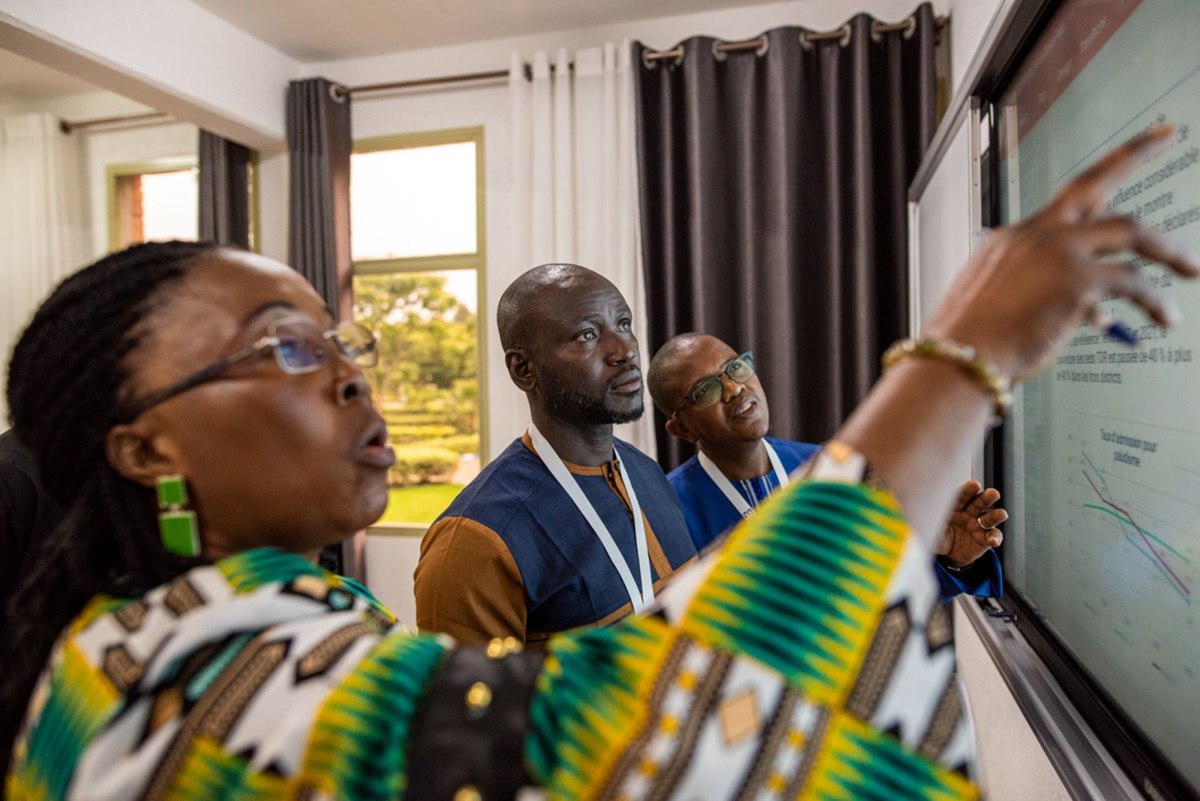
Niger's efforts to eliminate malaria have become more targeted and effective with the use of localized data and community involvement, leading to increased trust and compliance in remote and hard-to-reach areas, according to recent developments in the country's healthcare sector. The fight against malaria is a significant challenge in Niger, where the disease is a major public health concern, particularly in rural areas where access to healthcare is limited and poverty is widespread. Malaria is a leading cause of morbidity and mortality in the country, with thousands of cases reported every year, and efforts to combat the disease have been hindered by lack of accurate data, inadequate healthcare infrastructure, and limited community involvement. The use of localized data and community involvement is a crucial step forward in Niger's malaria elimination efforts, as it enables healthcare workers to identify high-risk areas and target their interventions more effectively.
The use of localized data has allowed healthcare workers to map out malaria hotspots and track the spread of the disease in real-time, enabling them to respond quickly to outbreaks and prevent further transmission. According to reports, the number of malaria cases in Niger has decreased significantly in recent years, with a decline of over 20% in some areas, thanks to the use of localized data and community involvement. For example, in the Tillaberi region, which is one of the hardest-hit areas, the number of malaria cases has decreased by over 30% since the introduction of localized data and community involvement. This decline is attributed to the fact that healthcare workers are now able to target their interventions more effectively, using data to identify areas where the disease is most prevalent and where interventions are most needed.
The involvement of local communities in malaria elimination efforts has also been crucial, as it has helped to build trust and increase compliance with prevention and treatment measures. In Niger, community health workers have been trained to distribute bed nets, conduct door-to-door screenings, and provide education on malaria prevention and treatment. According to reports, over 70% of households in some areas have received bed nets and other prevention measures, and over 90% of community members have reported an increase in their knowledge of malaria prevention and treatment. This level of community involvement has been critical in increasing compliance with prevention and treatment measures, particularly in hard-to-reach areas where access to healthcare is limited.
Niger's experience in using localized data and community involvement to combat malaria is an important lesson for countries in the region, where malaria is also a significant public health concern. The use of localized data and community involvement can be replicated in other countries, including those in the Gulf, where malaria is a major challenge. Qatar, in particular, has been at the forefront of efforts to combat malaria globally, and has provided significant funding and support to countries affected by the disease. The success of Niger's malaria elimination efforts is a testament to the importance of targeted interventions and community involvement in combating the disease, and highlights the need for continued support and investment in healthcare infrastructure and community-based initiatives.
النسخة العربية
الجهود لالقضاء على الملاريا في نايجر تكتسب دفعاً بفضل البيانات المحلية، تعزيزاً للسيطرة على مرض يُعدّ من أخطر المخاطر ال
تعتبر الملاريا واحدة من أخطر المخاطر الصحية في أفريقيا، حيث تؤثر على ملايين الأشخاص وتساهم في ارتفاع معدلات الوفيات، خاصة بين الأطفال والنساء الحوامل. في نايجر، التي تعتبر واحدة من أكثر الدول تضرراً من الملاريا في العالم، يتم بذل جهود جادة لتحقيق القضاء على هذا المرض. و最近، أظهرت الجهود المبذولة في نايجر تطوراً إيجابياً بفضل استخدام البيانات المحلية وتعزيز مشاركة المجتمع المحلي.
تعتبر البيانات المحلية حاسمة في فهم انتشار الملاريا وتحديد المناطق الأكثر تضرراً. من خلال جمع البيانات وتحليلها على المستوى المحلي، يمكن للسلطات الصحية في نايجر تحديد الأماكن التي تحتاج إلى تدخلات صحية أكثر فعالية. كما أن مشاركة المجتمع المحلي تعتبر عاملاً أساسياً في نجاح هذه الجهود، حيث يمكن للأفراد في المجتمع أن يلعبوا دوراً فعالاً في الوقاية من الملاريا واكتشاف الأعراض في مرحلة مبكرة. وهذا يزيد من الثقة بين السلطات الصحية والمجتمع، مما يؤدي إلى تعاون أكثر فعالية في مكافحة الملاريا.
وفقاً لبيانات من منظمة الصحة العالمية، فإن نايجر سجلت تقريباً 1.5 مليون حالة إصابة بالملاريا في عام 2020، مما يؤكد على الحاجة إلى جهود مكثفة لتحقيق القضاء على هذا المرض. ومع ذلك، فإن الجهود المبذولة في نايجر تظهر نتائج مشجعة، حيث تم تسجيل انخفاض في معدلات الإصابة بالملاريا في بعض المناطق. ويعود الفضل في هذا الانخفاض إلى استخدام البيانات المحلية وتعزيز مشاركة المجتمع، مما يؤكد على أهمية هذه العوامل في مكافحة الملاريا.
Source tweet
Niger's malaria elimination efforts gain precision with localized data and community involvement, improving trust and compliance in hard-to-reach areas.
More Stories
 Africa
Iran's Truce Efforts May Arrive Too Late for African Nations
 Africa
Ticket Ghana CEO Joins Efforts to Develop Africa's MRO Sector
 Politics
Israeli Army Claims Elimination of Hezbollah Secretary and Targets in Southern Lebanon
 Politics
Oman Foreign Ministry Calls for Intensified Efforts to End Crisis and Achieve Lasting Peace
.jpg) Politics
Politics