
President Erdogan: The principles symbolized by the UN system have become idols devoured by their founders in times of
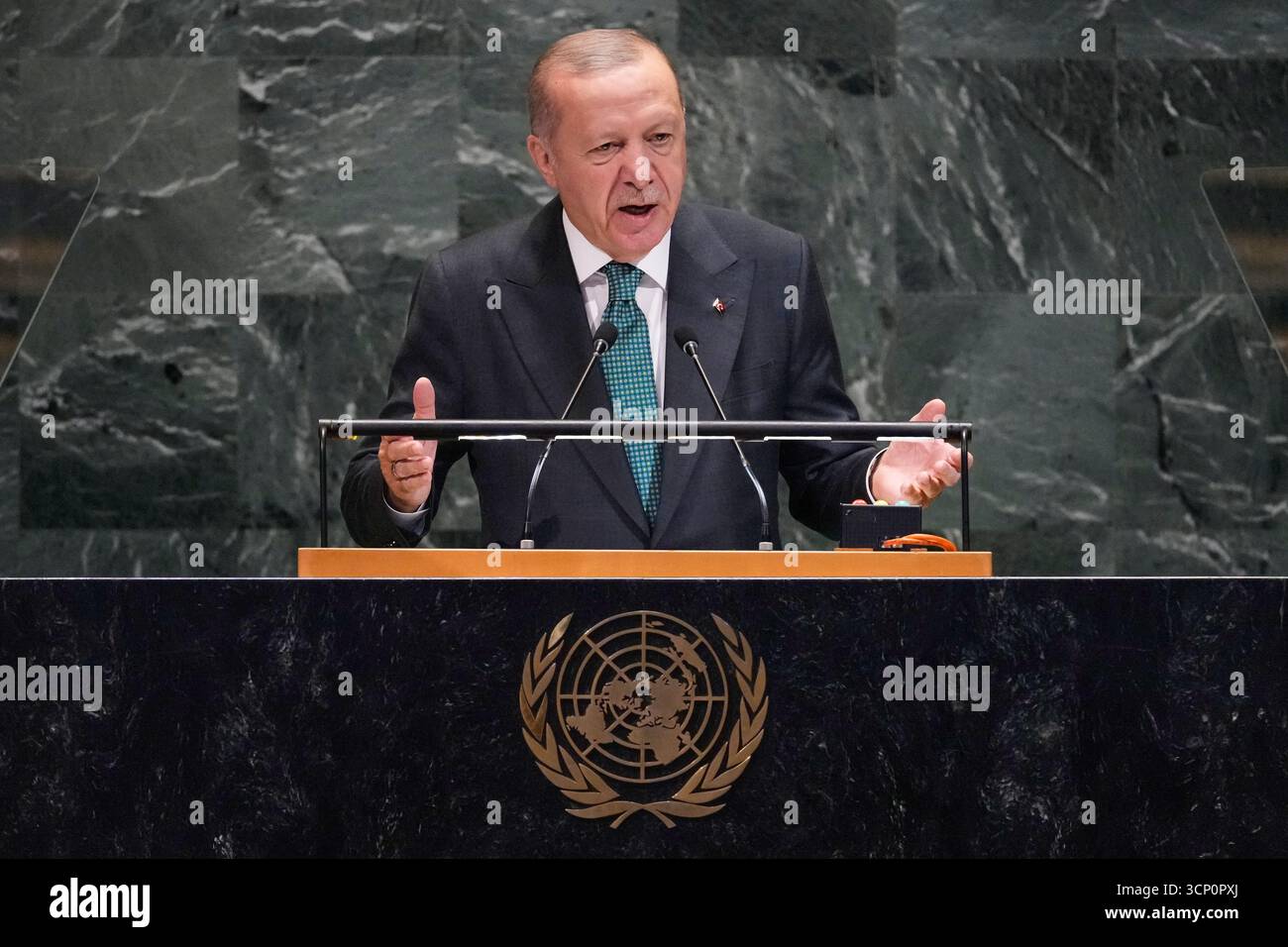
Turkish President Recep Tayyip Erdogan has criticized the United Nations system, asserting that its founding principles have been compromised and exploited by its creators during times of crisis. In a recent statement shared on social media, Erdogan emphasized that the ideals originally established to promote peace and cooperation among nations have been undermined by those who were meant to uphold them.
Erdogan's remarks come amid growing global discontent with the UN's effectiveness in addressing pressing international issues, including conflicts, humanitarian crises, and economic disparities. His comments reflect a broader sentiment among various nations that the UN has failed to live up to its foundational goals, particularly during periods of global upheaval. The Turkish leader's critique highlights the perceived disconnect between the UN's ideals and the actions of its member states, especially those with significant political and economic power.
The significance of Erdogan's statement lies in its timing and context. As the world grapples with multiple crises, including the ongoing impacts of the COVID-19 pandemic, climate change, and geopolitical tensions, calls for reform within international institutions have intensified. Many nations, particularly those in the Global South, argue that the UN system disproportionately favors powerful countries while neglecting the needs and voices of smaller or less influential states. Erdogan's comments resonate with this narrative, suggesting that the very institutions designed to foster collaboration and equity are instead perpetuating inequality and injustice.
Erdogan's critique is not an isolated sentiment; it echoes frustrations expressed by other leaders and analysts who have called for a reevaluation of the UN's role and effectiveness. The Turkish president's remarks may also serve to bolster Turkey's position on the global stage, as it seeks to assert itself as a key player in international diplomacy and a voice for nations that feel marginalized in the current global order. By framing the UN's principles as mere symbols rather than actionable commitments, Erdogan raises questions about the legitimacy and functionality of the organization.
As discussions surrounding the future of the UN and its reform continue, Erdogan's statements contribute to the growing chorus advocating for a more equitable and responsive international system. The Gulf region, which has faced its own challenges, from regional conflicts to economic diversification efforts, may find resonance in Erdogan's call for a reevaluation of international norms and practices. The sentiment for reform is particularly relevant as Gulf states navigate their roles within a rapidly changing geopolitical landscape, seeking to balance their national interests with the expectations of the international community.
Erdogan's comments serve as a reminder of the ongoing debates surrounding the effectiveness of international institutions in addressing global challenges. As nations reflect on their roles within the UN system, the call for a more just and equitable framework may shape future diplomatic efforts and alliances, particularly in regions like the Gulf, where the interplay of power and influence continues to evolve.
النسخة العربية
الرئيس أردوغان: المبادئ التي ترمز إليها منظومة الأمم المتحدة أصبحت أصناماً يلتهمها مؤسسوها عند الحاجة
في تصريح جريء، أكد الرئيس التركي رجب طيب أردوغان أن المبادئ التي ترمز إليها منظومة الأمم المتحدة قد تحولت إلى "أصنام" يلتهمها مؤسسوها عند الحاجة، مما يثير تساؤلات حول فعالية المنظمة الدولية في تحقيق أهدافها المعلنة. جاءت تصريحات أردوغان في سياق انتقاداته المتكررة لهيكلية الأمم المتحدة، والتي يعتبرها غير عادلة وغير ممثلة بشكل كافٍ للدول النامية.
تأتي تصريحات الرئيس التركي في وقت يشهد فيه العالم تحديات متزايدة تتطلب تعاوناً دولياً فعالاً، مثل التغير المناخي، والأزمات الإنسانية، والنزاعات المسلحة. ومع ذلك، يرى أردوغان أن الأمم المتحدة، التي تأسست بعد الحرب العالمية الثانية بهدف تعزيز السلام والأمن الدوليين، قد فشلت في تحقيق هذه الأهداف بسبب هيكلها الذي يفضل الدول الكبرى على حساب الدول الأصغر. ويشير إلى أن الدول المؤسسة للمنظمة تستغل نفوذها لتحقيق مصالحها الخاصة، مما يضعف من قدرة الأمم المتحدة على اتخاذ قرارات حاسمة في الأوقات الحرجة.
تاريخياً، تأسست الأمم المتحدة عام 1945، وكانت تهدف إلى منع تكرار الحروب العالمية وتعزيز التعاون الدولي. لكن مع مرور الوقت، أصبحت القرارات داخل المنظمة تعتمد بشكل كبير على توافق الدول الخمس دائمة العضوية في مجلس الأمن، وهي الولايات المتحدة، وروسيا، والصين، وفرنسا، والمملكة المتحدة. هذا الهيكل أدى إلى انتقادات واسعة من قبل العديد من الدول التي ترى أن مصالحها لا تُؤخذ بعين الاعتبار بشكل كافٍ.
Source tweet
President Erdogan: The principles symbolized by the UN system have become idols devoured by their founders in times of hunger.
More Stories
 Gulf
GulfQatar's Emir Receives Letter from South Korean President Supporting Qatar After Iranian Aggression
 BREAKING
Iraq Elects New President Nizar Amidi with 227 Parliamentary Votes
 BREAKING
Nizar Amidi Elected as Iraq's Sixth President Since 2003
 BREAKING
US-Made Aircraft Laser Defense System Recovered in Iran
 BREAKING