

Spain Calls for Opening of Strait of Hormuz Amid Middle East Tensions

Spanish Prime Minister Pedro Sanchez has called for the immediate opening of the Strait of Hormuz, warning that continued escalation in the Middle East risks plunging the global economy into a prolonged energy crisis with devastating consequences for consumers and industries worldwide.
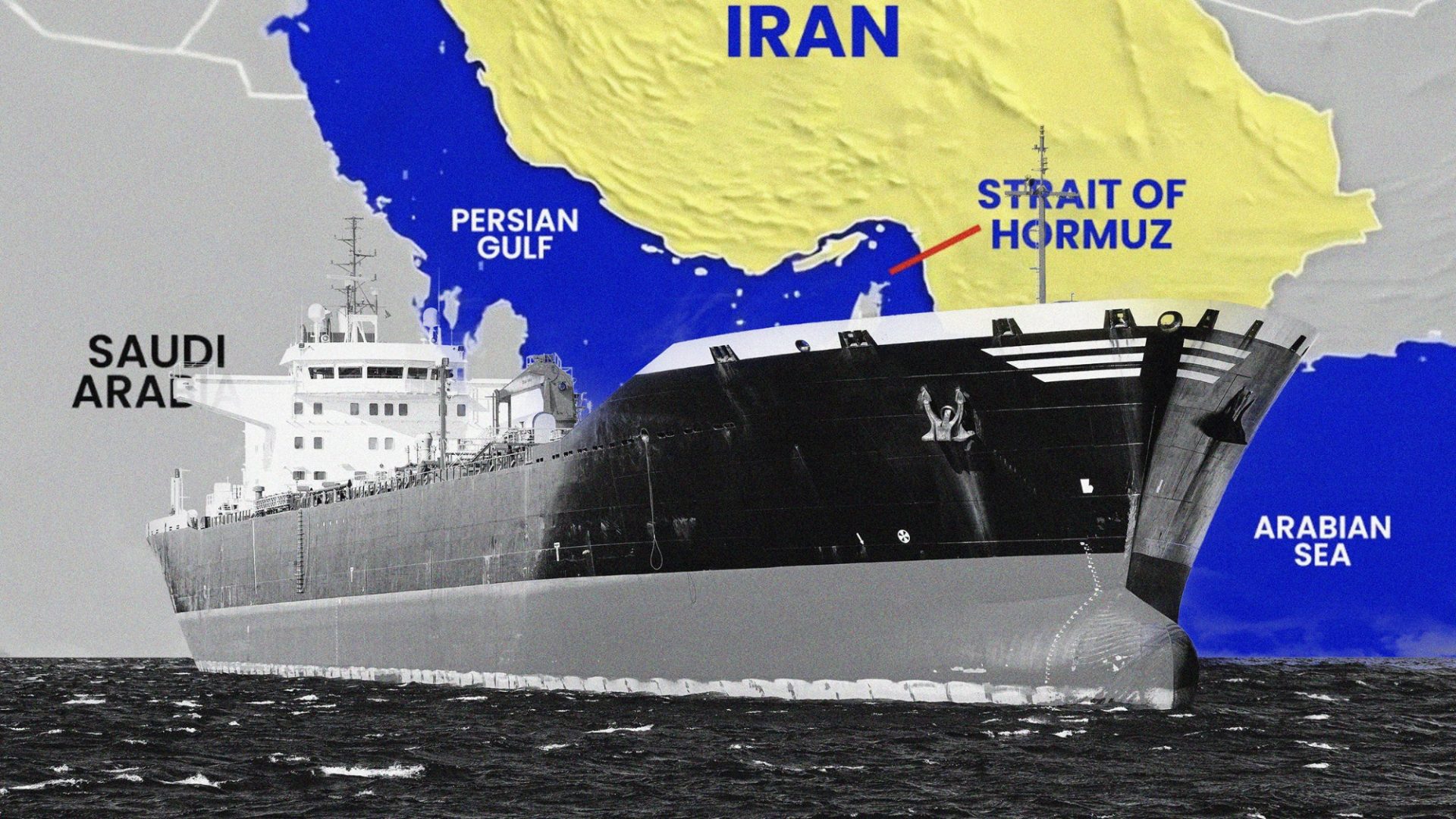
Speaking at a press conference on Saturday, Sanchez stressed that all parties involved in the current tensions must exercise restraint and work to preserve critical energy infrastructure across the region. The Strait of Hormuz, through which roughly one-fifth of the world's oil supply passes daily, has become a focal point of concern as military operations in the region intensify.
"We cannot allow the current situation to spiral into a conflict that disrupts the flow of energy upon which millions of people depend," Sanchez said. "Europe, and indeed the entire world, has a direct stake in ensuring that the Strait of Hormuz remains open and that all energy sites in the Middle East are protected."
The Spanish leader's remarks come amid heightened fears that hostilities could spill over into the Persian Gulf, where Qatar, Saudi Arabia, the United Arab Emirates, and other major energy producers maintain vast oil and liquefied natural gas operations. Any disruption to shipping through the narrow waterway would send shockwaves through global energy markets, driving up prices and threatening the fragile economic recovery in Europe and beyond.
For Qatar, the world's leading exporter of liquefied natural gas, the security of the Strait of Hormuz is of paramount importance. The vast majority of Qatari LNG shipments transit through the waterway before reaching customers in Asia, Europe, and other markets. Doha has consistently advocated for dialogue and de-escalation in regional disputes, positioning itself as a mediator committed to stability in the Gulf.
Analysts noted that Sanchez's intervention reflects growing anxiety among European leaders about energy security, particularly as the continent continues to diversify its supplies away from Russian sources. Spain, which has invested heavily in LNG import infrastructure, relies significantly on Gulf producers to meet its energy needs.
The call also underscores the broader diplomatic dimension of the crisis, with Western governments increasingly urging restraint from all sides. The European Union has echoed similar concerns in recent weeks, calling for the protection of civilian infrastructure and freedom of navigation in international waterways.
Qatar's Foreign Ministry has not yet issued a formal response to the Spanish prime minister's statement, though Doha has repeatedly emphasized the importance of safeguarding maritime routes and has called on the international community to pursue diplomatic solutions to regional tensions.
Energy markets reacted cautiously to the developments, with oil futures edging higher on concerns over potential supply disruptions. Industry experts warned that any prolonged closure or restriction of the strait could trigger a supply shock not seen since the oil crises of the 1970s.
النسخة العربية
عاجل | رئيس وزراء إسبانيا يطالب بفتح مضيق هرمز
طالب رئيس الوزراء الإسباني بيدرو سانشيز بضرورة فتح مضيق هرمز فوراً، محذراً من أن استمرار التصعيد في منطقة الشرق الأوسط ينذر بأزمة طاقة طويلة الأمد قد تلحق أضراراً بالغة بالاقتصاد العالمي وتؤثر سلباً على المستهلكين والصناعات في مختلف أنحاء العالم.
وفي مؤتمر صحفي عقده يوم السبت، شدد سانشيز على ضرورة أن تتحلى جميع الأطراف المعنية بالتوترات الراهنة بضبط النفس والعمل على حماية البنية التحتية الحيوية للطاقة في المنطقة. ويمر عبر مضيق هرمز نحو خُمس إمدادات النفط العالمية يومياً، مما يجعله محوراً رئيسياً للقلق في ظل تصاعد العمليات العسكرية في المنطقة.
وقال سانشيز إنه لا يمكن السماح للوضع الراهن بأن يتحول إلى صراع يعطل تدفق الطاقة التي يعتمد عليها ملايين البشر، مؤكداً أن لأوروبا والعالم بأسره مصلحة مباشرة في ضمان بقاء مضيق هرمز مفتوحاً وحماية جميع مواقع الطاقة في الشرق الأوسط.
Source tweet
🚨 BREAKING | Spain calls for opening of Strait of Hormuz Spain's Prime Minister warns that further escalation in the Middle East could lead to a long-term energy crisis, emphasizing the need to preserve all energy sites in the region. #EnergyCrisis #MiddleEast #BreakingNews
More Stories
 BREAKING
Malaysia Calls for Release of Detained Activists After Israeli Attack
 Gulf
GulfShips Attacked Near Hormuz
 Diplomacy
Iran Highlights Hormuz
 BREAKING
Russia and Qatar discuss Hormuz Strait security concerns
 BREAKING