

The Iran War in Numbers: The Gulf's Windfall and Qatar's Hormuz Trap

The Iran war has been ruinous for the region's security and, at the same time, lucrative for its treasuries. The conflict that put Gulf oil terminals within range of missiles has also pushed Brent crude about 54 percent above its pre-war level, and for the Arab states that sell that oil, higher prices mean fuller coffers.
That is the part the global coverage tends to miss. Saudi Arabia, the United Arab Emirates and Qatar are net energy exporters, so a price spike is income rather than expense. Every additional dollar on a barrel of crude, and every increment on oil-indexed gas contracts, flows back to budgets that were drawn up assuming far cheaper energy. In revenue terms the Gulf is among the war's biggest winners.
The scale of the move is unusual. Brent traded near $72 a barrel before the fighting began in late February, according to the International Energy Agency, jumped about $20 within days, and reached roughly $111 by mid-May on Reuters figures. The US Energy Information Administration expects a second-quarter peak near $115 before prices ease. The chart below traces that path through the war's first 89 days.

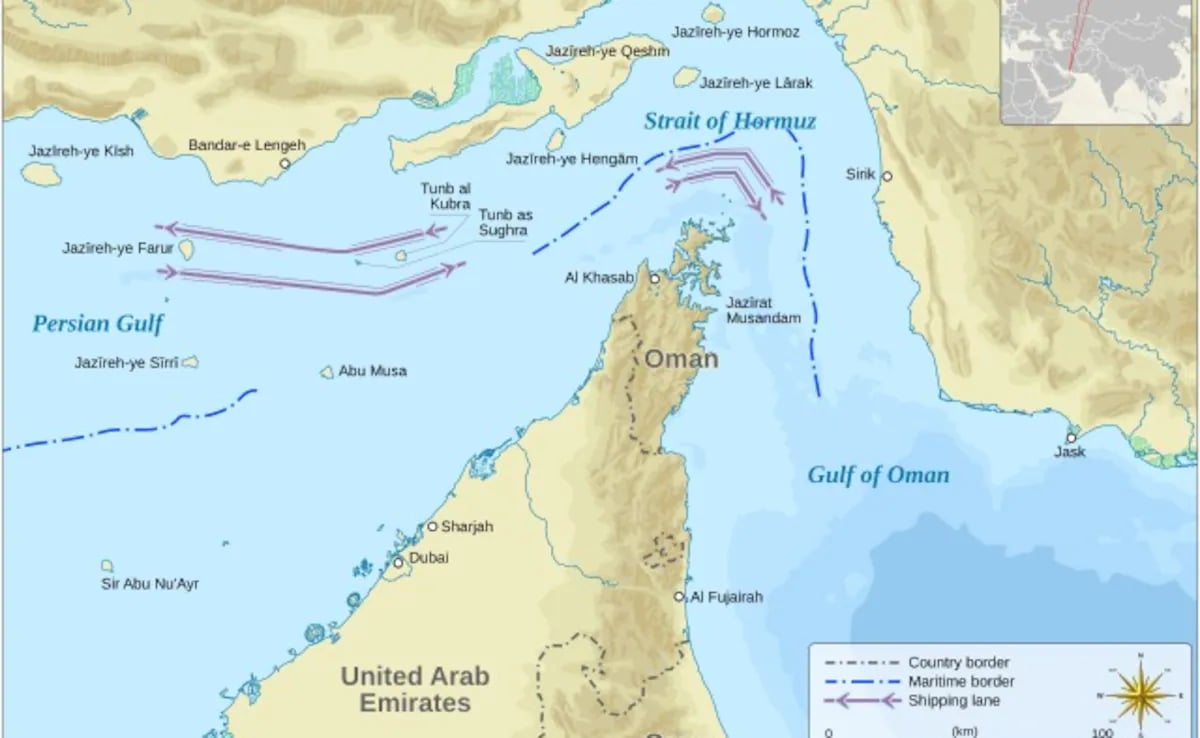
The windfall comes with a catch written into the map. Close to 20 million barrels of oil move through the Strait of Hormuz every day, around a fifth of world supply, and the alternatives are thin. Saudi Arabia can divert up to about seven million barrels a day overland to Yanbu on the Red Sea, and the UAE can route roughly 1.5 million through Fujairah on the Gulf of Oman. Together that reroutes only a fraction of what the strait carries, which is why the IEA now expects global demand to outrun supply by 1.78 million barrels a day this year.
Qatar sits at the tightest point of that bind. As the world's largest exporter of liquefied natural gas, it has no overland bypass at all: almost every cargo it ships must pass through Hormuz, and the field that feeds those exports is shared with Iran. So the state that gains most from oil-indexed prices is also the one least able to keep selling if the chokepoint closes. For the Gulf the war's ledger runs in two columns at once, revenue and risk, and Doha is where both stand highest. Prices have come off their peak, but with the IEA still forecasting tight markets, neither column is closing soon.
النسخة العربية
حرب إيران بالأرقام: مكاسب الخليج وفخ هرمز القطري
كانت حرب إيران مدمّرة لأمن المنطقة، ومربحة لخزائنها في آن واحد. فالنزاع الذي وضع منشآت النفط الخليجية في مرمى الصواريخ دفع أيضاً خام برنت إلى الارتفاع نحو 54 بالمئة فوق مستواه قبل الحرب، وبالنسبة للدول العربية التي تبيع ذلك النفط، فإن ارتفاع الأسعار يعني خزائن أوفر.
وهذا هو الجانب الذي تغفله التغطية العالمية غالباً. فالسعودية والإمارات وقطر دول مصدّرة صافية للطاقة، ما يجعل قفزة الأسعار دخلاً لا كلفة. فكل دولار إضافي على برميل الخام، وكل زيادة على عقود الغاز المرتبطة بسعر النفط، يعود إلى موازنات وُضعت على افتراض طاقة أرخص بكثير. ومن حيث الإيرادات، يُعد الخليج من أكبر الرابحين من الحرب.
وحجم التحرّك غير معتاد. فقد كان برنت يُتداول قرب 72 دولاراً للبرميل قبل اندلاع القتال أواخر فبراير، وفق وكالة الطاقة الدولية، ثم قفز نحو 20 دولاراً خلال أيام، وبلغ زهاء 111 دولاراً بحلول منتصف مايو وفق أرقام رويترز. وتتوقع إدارة معلومات الطاقة الأمريكية ذروة في الربع الثاني قرب 115 دولاراً قبل أن تتراجع الأسعار. ويتتبع الرسم البياني أدناه هذا المسار خلال الأيام التسعة والثمانين الأولى من الحرب.
Source tweet
The Iran war is a paradox for the Gulf: it pushed Brent about 54% higher, flooding the treasuries of oil exporters, while threatening the very strait their cargoes must cross. Qatar, with no bypass for its LNG, sits at the tightest point of both.
More Stories
Erdogan calls on Qatar's Emir to increase pressure on Israel
 Diplomacy
Qatar's UN Partnership Emphasizes Multilateral Solutions: Sheikha Alya
 Diplomacy
Qatari Adviser Calls for Diplomacy to Prevent 'Total Regional War' Over Strait of Hormuz
 Iran
IranOman meeting aims to convince Trump regional powers control Strait of Hormuz
 Economy