

البحرين والدول الخليجية تطالب الولايات المتحدة بمواجهة أجندة إيران

تطالب البحرين والدول الخليجية الولايات المتحدة بمواجهة أجندة إيران بشكل مباشر، حيث إن هذه الدول تعتبر أن مواجهة أجندة إيران هي أمر ضروري لضمان استقرار المنطقة.
يأتي هذا الطلب في سياق التوترات المتزايدة بين إيران والدول الخليجية، حيث إن إيران تتمتع بوجود قوي في المنطقة وتحاول التأثير على الدول المجاورة. الدول الخليجية، بما في ذلك البحرين وقطر وعمان والسعودية والإمارات والكويت، تعتبر أن إيران تمثل تهديداً لأمنها القومي وستقرارها. لذلك، فإنها تطالب الولايات المتحدة، كشريك استراتيجي، بمواجهة أجندة إيران بشكل فعال.
وفقاً لمصادر إخبارية، فإن الدول الخليجية تريد أن تتناول الولايات المتحدة قضايا مثل سيطرة إيران على مضيق هرمز وبرنامجها النووي وتأثيرها العسكري في المنطقة. هذه القضايا تعتبر أساسية لضمان استقرار المنطقة وضمان أمن الدول الخليجية. كما إن هناك مخاوف من أن إيران قد تحاول التوسع في المنطقة وتأثير على الدول المجاورة، مما قد يؤدي إلى زيادة التوترات والاضطرابات في المنطقة.
في هذا السياق، فإن الدول الخليجية تعتبر أن الولايات المتحدة لها دور مهم في مواجهة أجندة إيران. الولايات المتحدة، كقوة عالمية، لها القدرة على التأثير على إيران وتغيير سلوكها. لذلك، فإن الدول الخليجية تطلب من الولايات المتحدة أن تتخذ إجراءات فعالة لمواجهة أجندة إيران وضمان استقرار المنطقة.
من منظور قطري، فإن هذه التطورات تعتبر مهمة جداً. قطر، كدولة خليجية، تعتبر أن استقرار المنطقة هو أمر ضروري لازدهارها الاقتصادي والسياسي. لذلك، فإن قطر تعتبر أن مواجهة أجندة إيران هي أمر ضروري لضمان استقرار المنطقة وازدهارها الاقتصادي. قطر، جنباً إلى جنب مع الدول الخليجية الأخرى، تطلب من الولايات المتحدة أن تتخذ إجراءات فعالة لمواجهة أجندة إيران وضمان استقرار المنطقة. هذا سيساهم في تعزيز الأمن القومي لقطر وستقرارها الاقتصادي، وسيؤدي إلى ازدهار المنطقة بشكل عام.
English Version
Bahrain Summit: Gulf States Demand US Action Against Iran's Agenda
Bahrain, along with other Gulf states, has joined Qatar, Oman, Saudi Arabia, the UAE, and Kuwait in urgently demanding that US-Iran negotiations confront Tehran's strategic agenda, particularly its control of the Strait of Hormuz, nuclear, and regional military leverage. This collective stance by the Gulf countries underscores their deep-seated concerns about Iran's expanding influence in the region and its potential to disrupt the delicate balance of power. The Gulf states' demand for the US to take a tougher stance on Iran comes at a time when the region is already reeling from the aftermath of a recent conflict, with many countries still grappling with the consequences of the war.
The context of this demand is significant, as the Gulf states have long been wary of Iran's intentions and its growing military capabilities, including its missile program and its support for militant groups in the region. The Strait of Hormuz, a critical waterway for international oil trade, is a particular point of contention, as Iran has repeatedly threatened to disrupt shipping lanes and impose its control over the strategic chokepoint. The Gulf states are also concerned about Iran's nuclear program, which they fear could lead to a nuclear arms race in the region and further destabilize the already volatile Middle East. By demanding that the US confront Iran's agenda, the Gulf states are seeking to ensure that any negotiations between Washington and Tehran address these critical issues and provide a lasting solution to the region's security concerns.
The Gulf states' reliance on the US for security and protection has been a long-standing feature of the region's geopolitics, but recent events have raised questions about the effectiveness of this strategy. Some analysts have argued that the Arab states' condemnation of Iran, rather than the US and Israel, has been misguided, and that they should be more critical of their Western allies' role in the region. However, for now, the Gulf states appear to be sticking with their traditional approach, seeking to leverage their relationship with the US to counter the perceived threat from Iran. As one analyst noted, the Gulf states are telling the US that any deal with Tehran should do more than just end the war, and must permanently curb Iran's missile capabilities and nuclear program.
المصدر
البحرين والدول الخليجية تطالب الولايات المتحدة بمواجهة أجندة إيران 🇶🇦🇺🇸
المزيد من القصص
 خليج
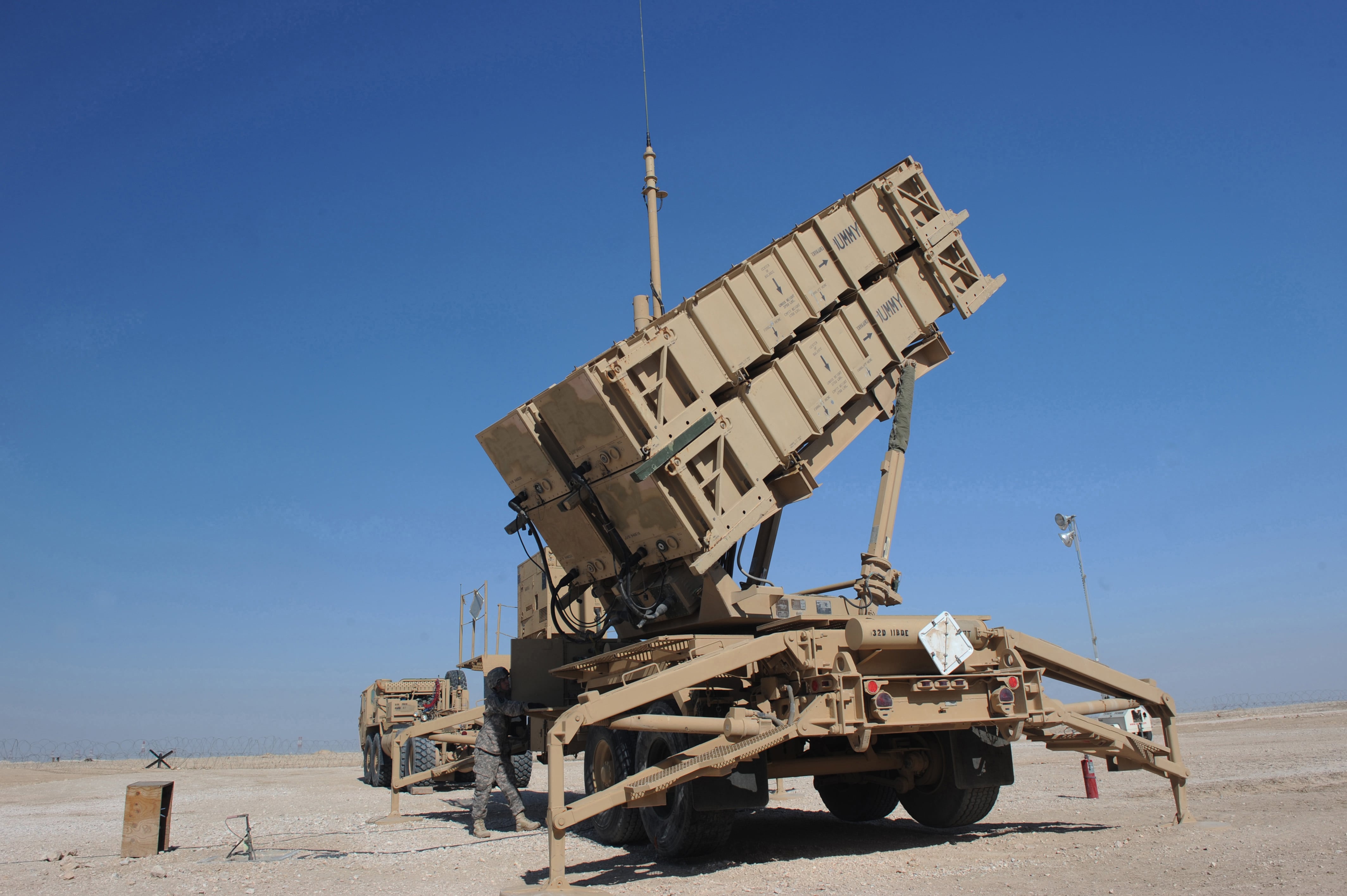
خليجالولايات المتحدة تنشر منظومات باتريوت إضافية في السعودية وقطر
 سياسة
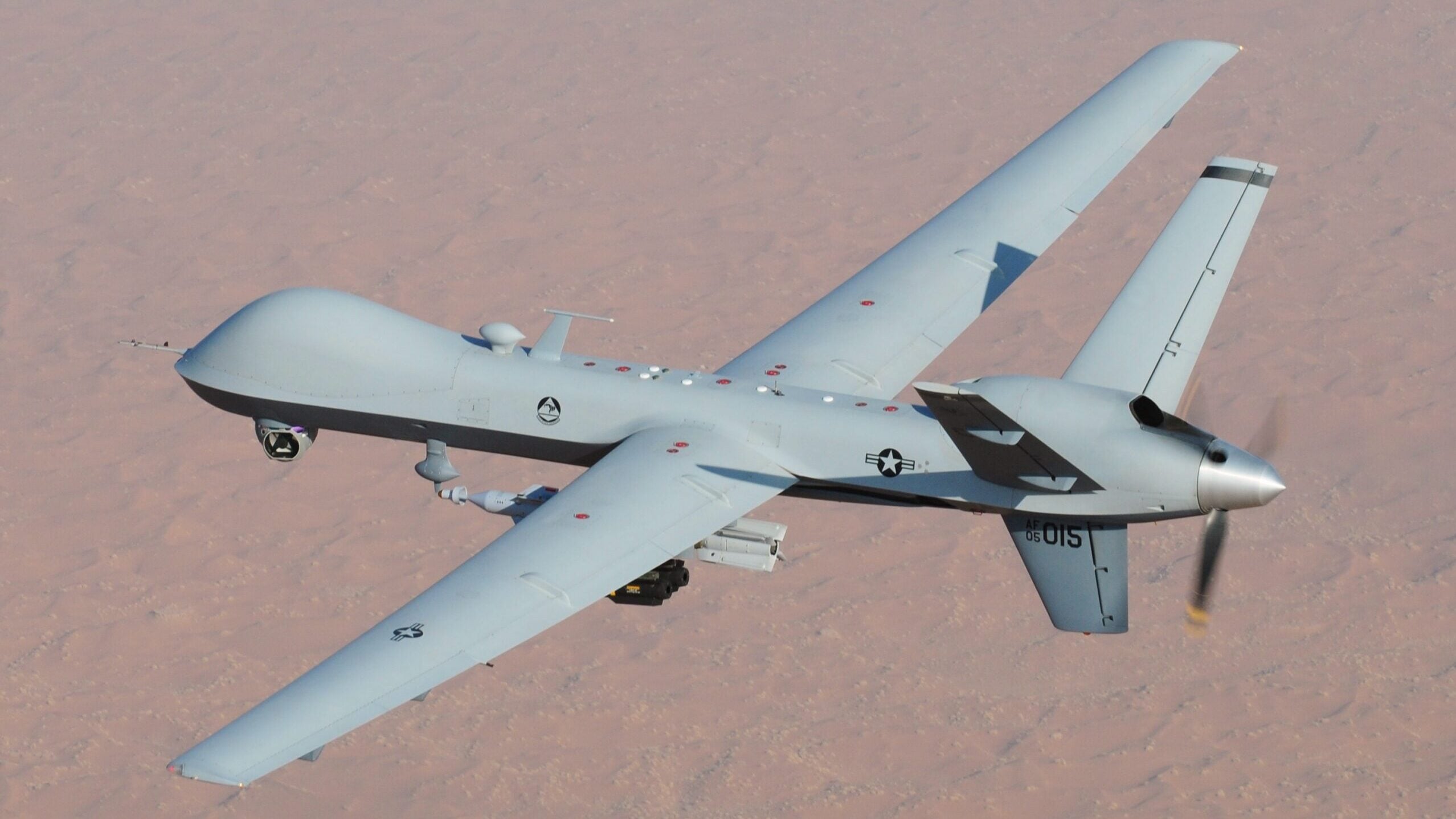
سياسةالولايات المتحدة تفتح الطريق أمام مبيعات الأسلحة إلى سوريا
 إيران
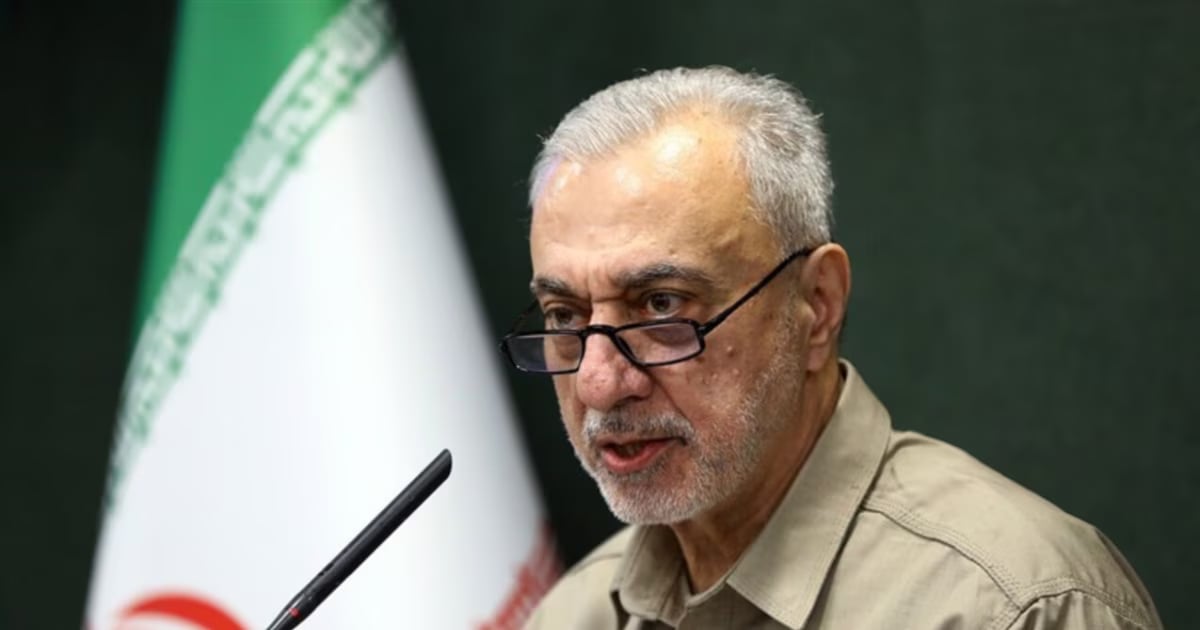
إيرانالولايات المتحدة وإيران تستكشفان اتفاقاً حول مضيق هرمز وسط تراجع أسعار النفط
 فلسطين
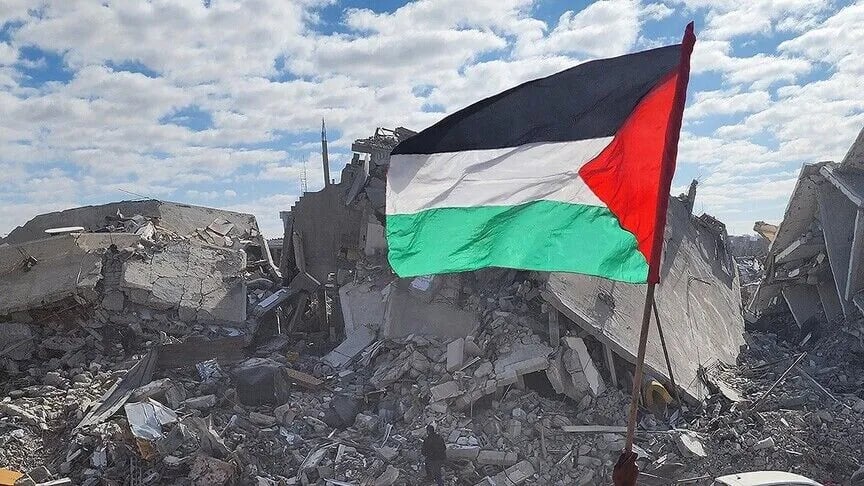
ثماني دول بينها تركيا تطالب إسرائيل بتنفيذ خطة السلام في غزة
 فلسطين