

توقفت سفن تجارية داخل مياه مضيق هرمز، مما قد يؤثر على حركة الملاحة البحرية في المنطقة ويزيد من التوترات الجيوسياسية في ا
توقفت سفن تجارية داخل مياه مضيق هرمز، مما قد يؤثر على حركة الملاحة البحرية في المنطقة ويزيد من التوترات الجيوسياسية في الخليج. هذا التطور يأتي في وقت يتصاعد فيه التوتر بين الدول في المنطقة، ويتسائل الكثير عن الأسباب وراء توقف هذه السفن ومدى تأثيرها على التجارة البحرية.
مضيق هرمز هو ممر مائي حاسم يربط الخليج العربي بالبحر العربي، ويمر عبره جزء كبير من النفط الخام الذي يُصدّر إلى مختلف أنحاء العالم. أي تعطيل لحركة الملاحة في هذا المضيق يمكن أن يؤثر بشكل كبير على اقتصاديات الدول التي تعتمد على تصدير النفط الخام، فضلاً عن تأثيره على أسعار النفط العالمية.
وفقًا للمعلومات المتاحة، فإن توقف سفن تجارية داخل مياه مضيق هرمز يُعتبر تطوراً خطيراً يمكن أن يزيد من التوترات الجيوسياسية في المنطقة. ولا يزال السبب وراء توقف هذه السفن غير واضح، مما يزيد من القلق بين الدول التي تعتمد على هذا الممر المائي لتصدير سلعها.
من منظور قطري، فإن هذا التطور يُعتبر مصدر قلق، حيث تعتمد قطر على التجارة البحرية لتصدير الغاز الطبيعي المسال. أي تعطيل لحركة الملاحة في مضيق هرمز يمكن أن يؤثر على قدرة قطر على تصدير الغاز الطبيعي المسال، مما يؤثر على اقتصادها. لذلك، فإن قطر تتابع هذه التطورات بحرص، وتأمل في حل الأزمة سريعاً لاستعادة استقرار حركة الملاحة في المنطقة.
English Version
Commercial Ships Halted in Strait of Hormuz Waters
Commercial ships have come to a halt in the Strait of Hormuz, a critical waterway that serves as a vital passage for global energy supplies, in a development that underscores the fragility of essential maritime routes and the potential consequences for Qatar and global energy security. The Strait of Hormuz is a strategically important passage that connects the Persian Gulf to the Gulf of Oman and the Arabian Sea, with a significant portion of the world's oil exports passing through this narrow waterway. As a result, any disruption to shipping in the area can have far-reaching consequences for the global energy market. The halt of commercial ships in the Strait of Hormuz is a stark reminder of the geopolitical tensions that threaten the stability of this critical chokepoint, and the potential risks to global energy security that such tensions pose.
The impact of the halt on commercial ships in the Strait of Hormuz is likely to be felt across the globe, with potential delays and increased costs for shipments of oil and other essential commodities. For Qatar, which is heavily reliant on the export of natural gas and other energy products, the disruption to shipping in the Strait of Hormuz poses significant risks to its economy. As a major player in the global energy market, Qatar has a vested interest in ensuring the stability and security of essential maritime routes, and the country is likely to be closely monitoring the situation in the Strait of Hormuz. The halt of commercial ships in the Strait of Hormuz also highlights the importance of maintaining good relations with neighboring countries and ensuring the stability of the region.
Qatar has been working to strengthen its relationships with other countries in the region, and has been actively engaged in efforts to promote regional stability and security. The country's diplomatic efforts have been focused on finding peaceful solutions to regional conflicts, and on promoting cooperation and dialogue between nations. The halt of commercial ships in the Strait of Hormuz is a significant development that poses risks to global energy security and the economy of Qatar. As the situation continues to unfold, Qatar is likely to remain a key player in regional efforts to promote stability and security, and to ensure the continued flow of essential energy supplies through this critical waterway.
المصدر
توقفت سفن تجارية داخل مياه مضيق هرمز، مما قد يؤثر على حركة الملاحة البحرية في المنطقة ويزيد من التوترات الجيوسياسية في الخليج.
المزيد من القصص
 إيران
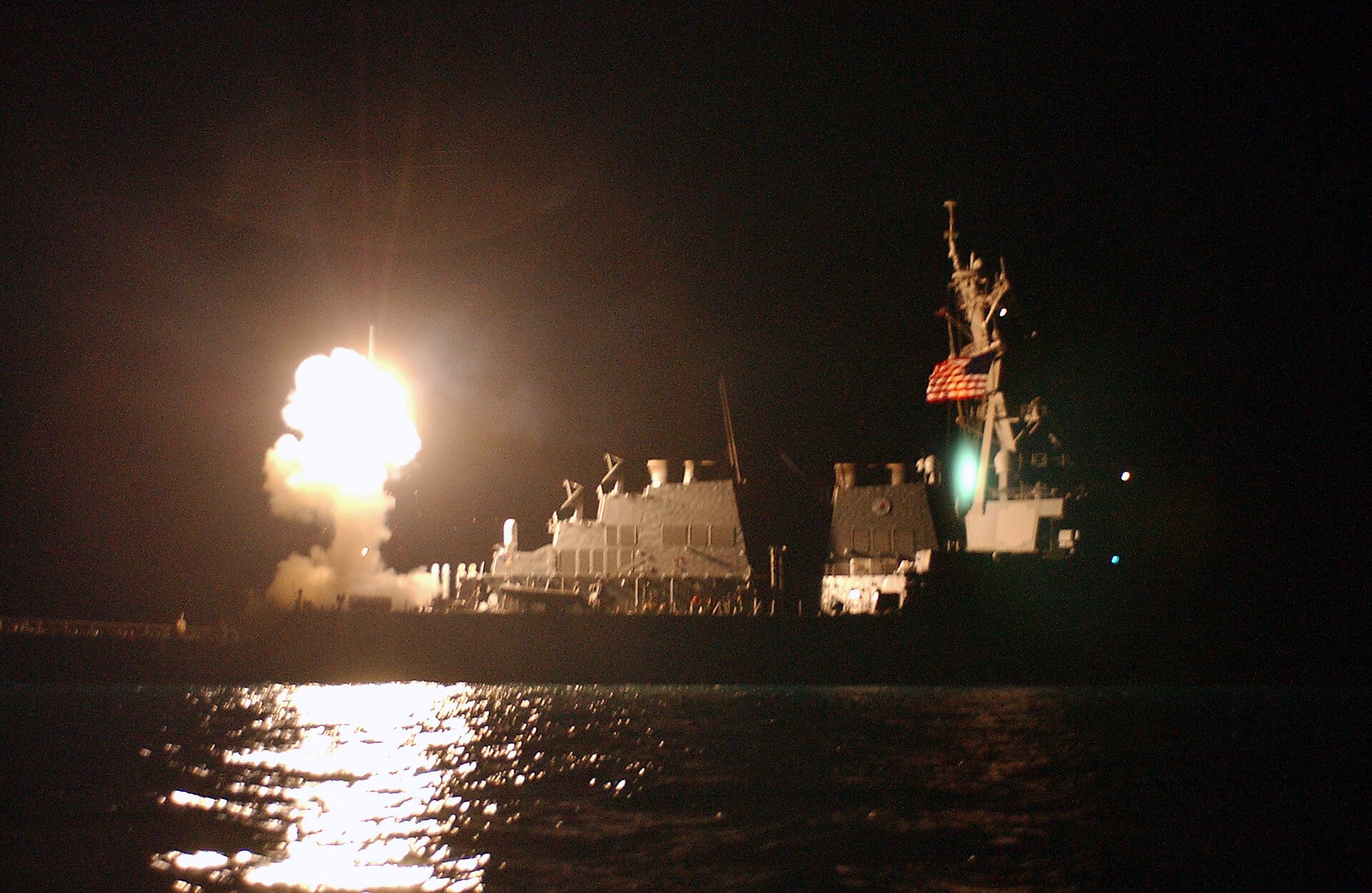
إيرانعاجل | الولايات المتحدة تقصف مواقع إيرانية بالتزامن مع اتهامات بتحريك إيران لصواريخ/drone ضد سفينة تجارية في مضيق هرم
 إيران
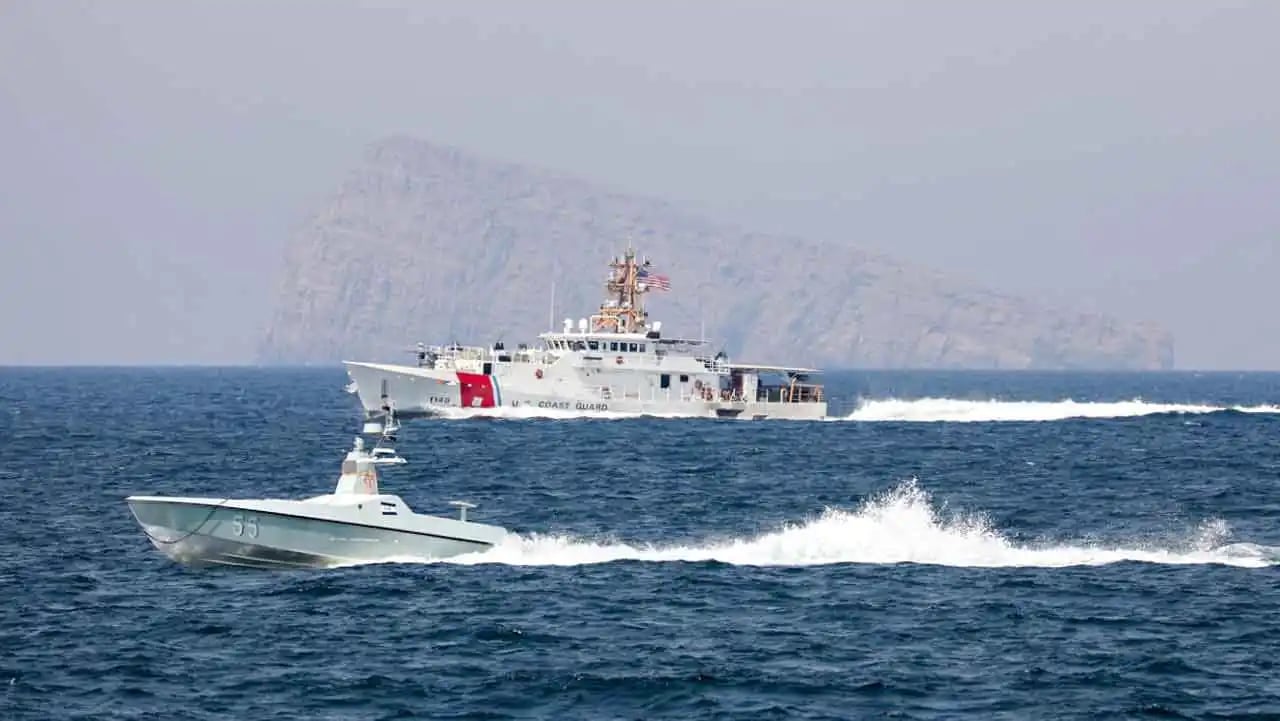
إيرانأسقطت القيادة المركزية الأمريكية مسيرات انقضاضية إيرانية باتجاه سفن تجارية في مضيق هرمز
 خليج
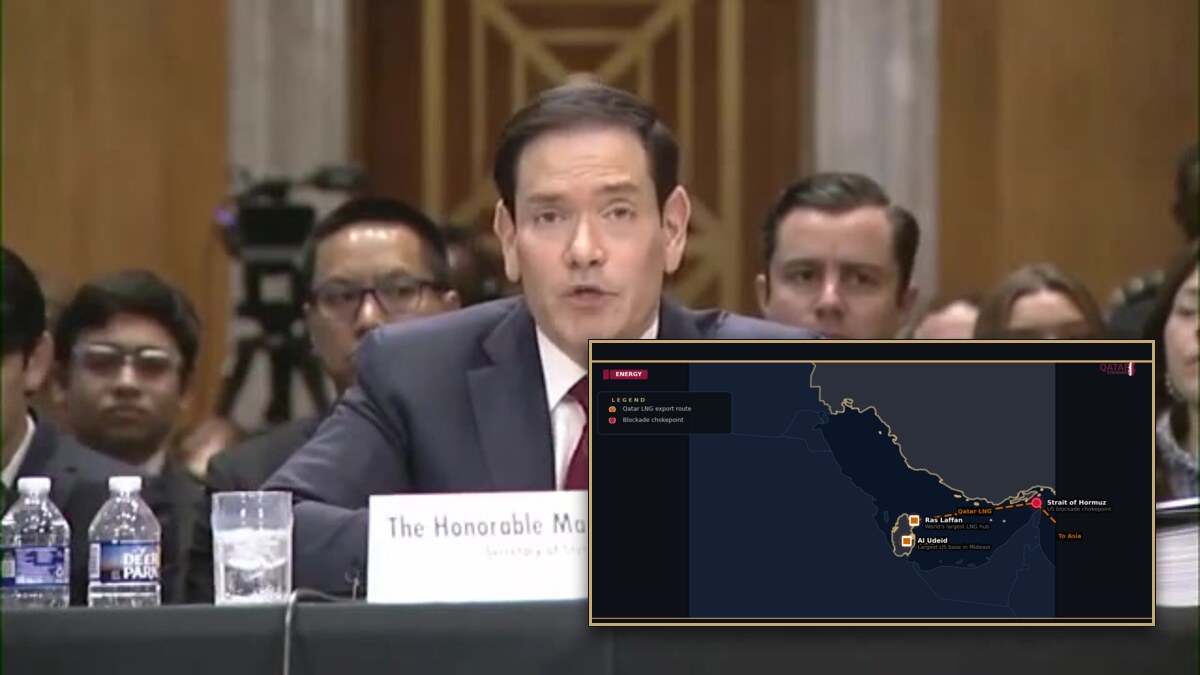
خليجروبيو يؤكد حصارًا أمريكيًا لمضيق هرمز، شريان غاز قطر
 اقتصاد
الخطوط الجوية القطرية تطرح عروض خاصة على الدرجة التجارية
 خليج
خليج