

نوع من البعوض الغازي يهدد المدن الأفريقية بانتشار الأمراض
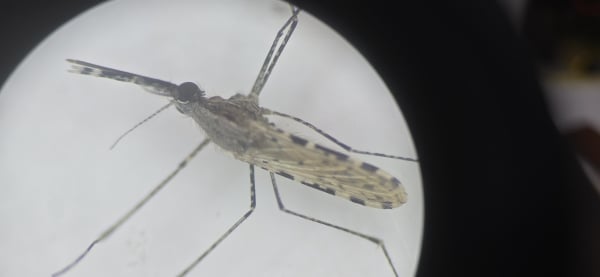
ينتشر نوع غازٍ من البعوض، يُعرف علمياً باسم "أنوفيليس ستيفنسي"، في المدن الأفريقية، ما يهدد بتقويض عقود من التقدم المحرز في مكافحة الملاريا، بحسب باحثين يتابعون توسعه عبر القارة. وخلافاً لبعوض "أنوفيليس غامبيا"، الناقل التقليدي للملاريا في أفريقيا جنوب الصحراء والذي يتكاثر أساساً في برك المياه الريفية ويفضل الأرياف المفتوحة، يزدهر هذا النوع الغازي في البيئات الحضرية، إذ يضع بيضه في خزانات المياه والإطارات المهملة ومواقع البناء وغيرها من الأوعية الاصطناعية المنتشرة في المدن سريعة النمو. والنوع أصلي في جنوب آسيا وشبه الجزيرة العربية، حيث ظل لفترة طويلة ناقلاً رئيسياً للملاريا الحضرية في دول مثل الهند وباكستان. وسُجّل ظهوره لأول مرة في أفريقيا في جيبوتي عام 2012، حيث ارتبط بعودة حادة لحالات الملاريا بعد سنوات من التراجع. ومنذ ذلك الحين، تأكد وجوده في إثيوبيا والسودان والصومال ونيجيريا وكينيا ودول أخرى، ما أثار قلق المسؤولين الصحيين لأنه يعرّض سكان المدن الكبرى، الذين كانوا سابقاً في مأمن نسبي، لخطر مرض ارتبط تاريخياً بالمناطق الريفية. وأطلقت منظمة الصحة العالمية عام 2022 مبادرة لاحتواء انتشار هذا البعوض، داعية الدول المتضررة إلى تعزيز المراقبة وتكييف استراتيجيات مكافحة النواقل المصممة أصلاً للانتقال الريفي مع البيئات الحضرية الكثيفة. ويحذر خبراء الصحة من أن التوسع الحضري السريع في أفريقيا، إلى جانب ممارسات تخزين المياه غير المنتظمة وضعف مراقبة البعوض في المدن، هيأ ظروفاً مثالية لترسّخ هذا النوع. وتظل الملاريا من أبرز أسباب الوفاة في القارة، ويرى مختصون في الصحة العامة أن احتواء هذا الناقل الحضري بات أولوية للسلطات الصحية الإقليمية والدولية العاملة على الحفاظ على المكاسب التي تحققت في مواجهة المرض خلال العقدين الماضيين.
English Version
Invasive mosquito species spreading disease threat across African cities
An invasive mosquito species, Anopheles stephensi, is spreading across African cities and threatening to undo decades of progress against malaria, according to researchers tracking its expansion across the continent. Unlike Anopheles gambiae, the mosquito traditionally responsible for malaria transmission in sub-Saharan Africa, which breeds mainly in rural pools and prefers open countryside, Anopheles stephensi thrives in urban environments, laying eggs in water storage containers, discarded tires, construction sites and other artificial containers common in fast-growing cities. The species is native to South Asia and the Arabian Peninsula, where it has long been a major urban malaria vector in countries such as India and Pakistan. It was first detected in Africa in Djibouti in 2012, where it was linked to a sharp resurgence in malaria cases after years of decline. Since then it has been confirmed in Ethiopia, Sudan, Somalia, Nigeria, Kenya and several other countries, raising alarm among public health officials because it puts large, previously low-risk urban populations at risk of a disease historically concentrated in rural areas. The World Health Organization launched an initiative in 2022 to contain the mosquito's spread, urging affected countries to strengthen surveillance and adapt vector-control strategies designed for rural transmission patterns to dense city environments. Health experts warn that Africa's rapid urbanization, combined with inconsistent water storage practices and limited mosquito surveillance in cities, has created ideal conditions for the species to establish itself. Malaria remains one of the leading causes of death on the continent, and public health specialists say containing this urban vector is now a priority for regional and international health authorities working to sustain gains made against the disease over the past two decades.
المصدر
نوع من البعوض الغازي يشكل تهديداً متزايداً لصحة السكان في المدن الأفريقية، مما يعرض القارة لخطر انتشار الأمراض.
المزيد من القصص
 فلسطين
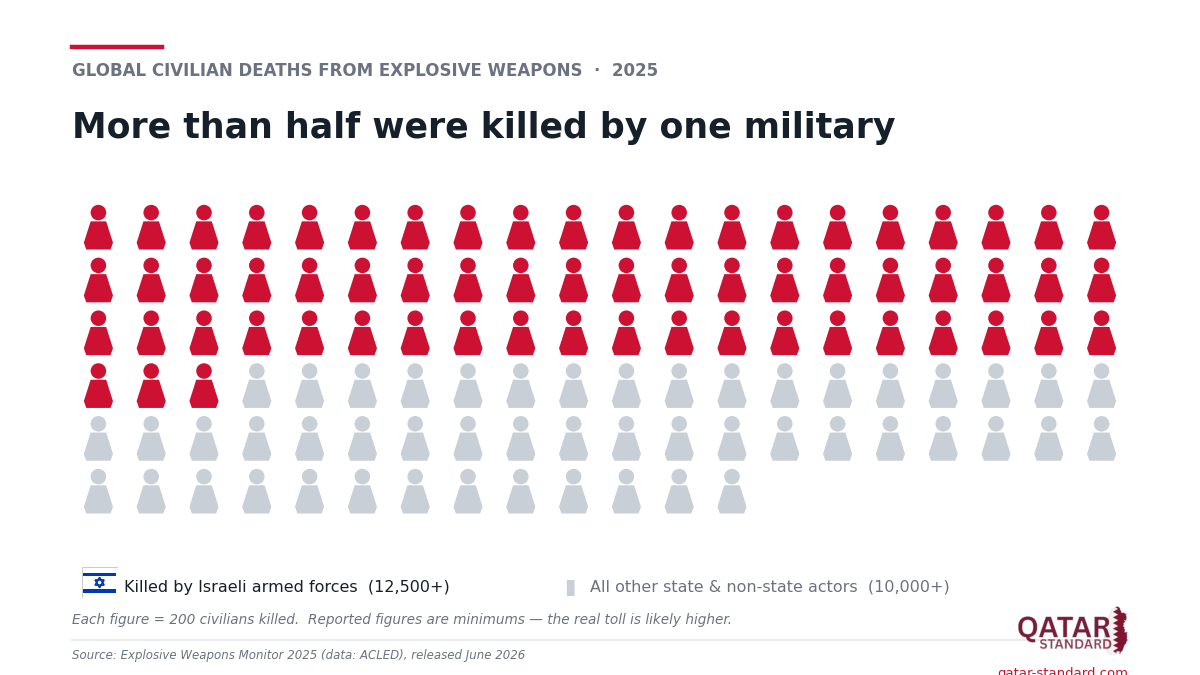
للعام الثالث: جيش واحد وراء غالبية وفيات المدنيين بالأسلحة المتفجرة عالمياً
 دبلوماسية
ثماني دول غربية تؤيد الحوار المدني بقيادة محلية في السودان
 سياسة
سياسةمسؤول أمريكي: الطريق الأسرع لحماية المدنيين وخفض التصعيد هو وقف حزب الله إطلاق النار بشكل فوري
 عاجل
عاجلاستشهاد الحاجة عفاف الصيداوي ونجلها حسن الصبّاغ جراء غارات الاحتلال على المدنيين في بيروت
 خليج
خليج