

Israeli airstrikes have targeted the towns of Marwaniyeh, Hirmil Shaqif, and Kafr Sir in southern Lebanon. The
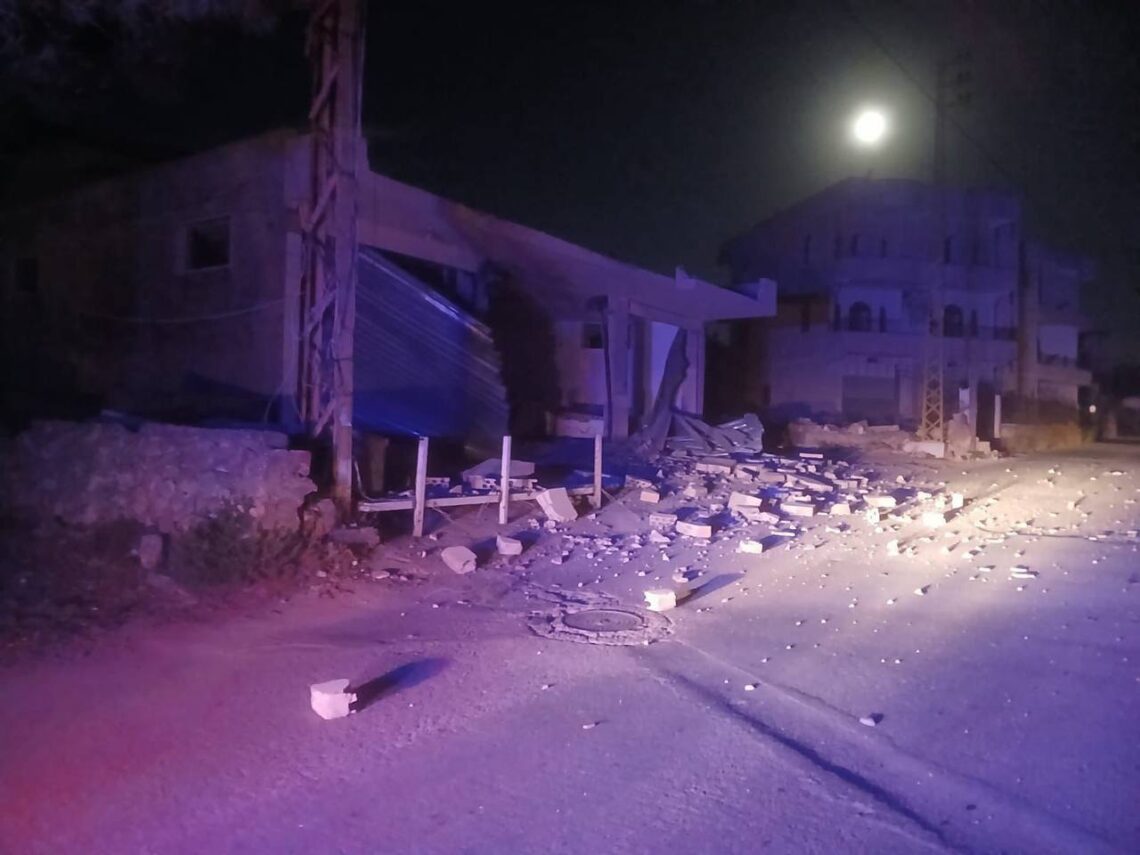
Israeli airstrikes have targeted the towns of Marwaniyeh, Hirmil Shaqif, and Kafr Sir in southern Lebanon, marking a significant escalation in regional tensions. These airstrikes occur amid heightened military activity and political instability in the area, raising concerns about the potential for further conflict.
The recent attacks are part of a broader pattern of hostilities that have characterized the relationship between Israel and Lebanon, particularly involving Hezbollah, the militant group based in southern Lebanon. The strikes on these specific towns suggest a targeted approach by Israeli forces, likely aimed at disrupting Hezbollah's operations and infrastructure. The situation remains fluid, with reports of damage and casualties emerging from the affected areas, though specific details are limited.
This escalation reflects the fragile security situation in Lebanon, which has been exacerbated by the ongoing Syrian civil war and the economic crisis gripping the country. The Lebanese government has struggled to maintain stability, and Hezbollah's presence complicates the dynamics further. The airstrikes may provoke retaliatory actions from Hezbollah, potentially leading to a broader conflict involving multiple actors in the region.
The international community is closely monitoring the situation, as any significant escalation could have far-reaching implications for regional security. The potential for increased military engagement raises concerns not only for Lebanon and Israel but also for neighboring countries and global powers with vested interests in the area. The United Nations has previously called for restraint and dialogue to prevent further violence, but the effectiveness of such appeals in the current climate remains uncertain.
From a Gulf perspective, the developments in southern Lebanon are particularly concerning. Gulf Cooperation Council (GCC) states have historically been wary of Iranian influence in Lebanon, often viewed as a proxy for Tehran's regional ambitions. The ongoing tensions could lead to increased instability in the region, prompting Gulf nations to reassess their security strategies and alliances. As the situation unfolds, Gulf states are likely to continue advocating for diplomatic solutions while remaining vigilant against potential spillover effects from the conflict.
النسخة العربية
غارات إسرائيلية تستهدف بلدات المروانية ويحمر الشقيف وكفر صير جنوبي لبنان
شنت الطائرات الإسرائيلية غارات جوية استهدفت بلدات المروانية ويحمر الشقيف وكفر صير في جنوب لبنان، مما يزيد من حدة التوترات في المنطقة التي تشهد تصاعداً في الأعمال العسكرية.
تأتي هذه الغارات في سياق تصاعد التوترات بين إسرائيل ولبنان، حيث شهدت الحدود الجنوبية للبنان توتراً مستمراً منذ سنوات. تعتبر هذه المنطقة حساسة للغاية بسبب وجود حزب الله، الذي تعتبره إسرائيل تهديداً لأمنها القومي. وقد شهدت المنطقة في السابق مواجهات عسكرية عديدة بين الطرفين، مما جعلها نقطة اشتعال دائمة في الصراع الإقليمي.
لم ترد تفاصيل دقيقة عن الأضرار أو الخسائر البشرية الناتجة عن هذه الغارات، لكن من المعروف أن مثل هذه العمليات تؤدي عادة إلى تدمير البنية التحتية وتزيد من معاناة السكان المحليين. كما أن هذه الغارات تأتي في وقت يعاني فيه لبنان من أزمة اقتصادية خانقة، مما يزيد من تعقيد الوضع الإنساني في البلاد.
Source tweet
Israeli airstrikes have targeted the towns of Marwaniyeh, Hirmil Shaqif, and Kafr Sir in southern Lebanon. The escalation continues amid ongoing regional tensions.
More Stories
 Politics
Hezbollah Fires Around 40 Rockets Towards Northern Towns
 Palestine
Israeli Airstrike Kills Four Family Members in Lebanon
 Palestine
Deir al-Balah in Gaza Holds Funeral for Palestinians Killed in Israeli Airstrikes
 Politics
Israeli Airstrike Targets Area Near Kfar Tibnit in Southern Lebanon
 Palestine