

Israel's military claims to have detected missiles launched from Iran. This escalation further complicates regional
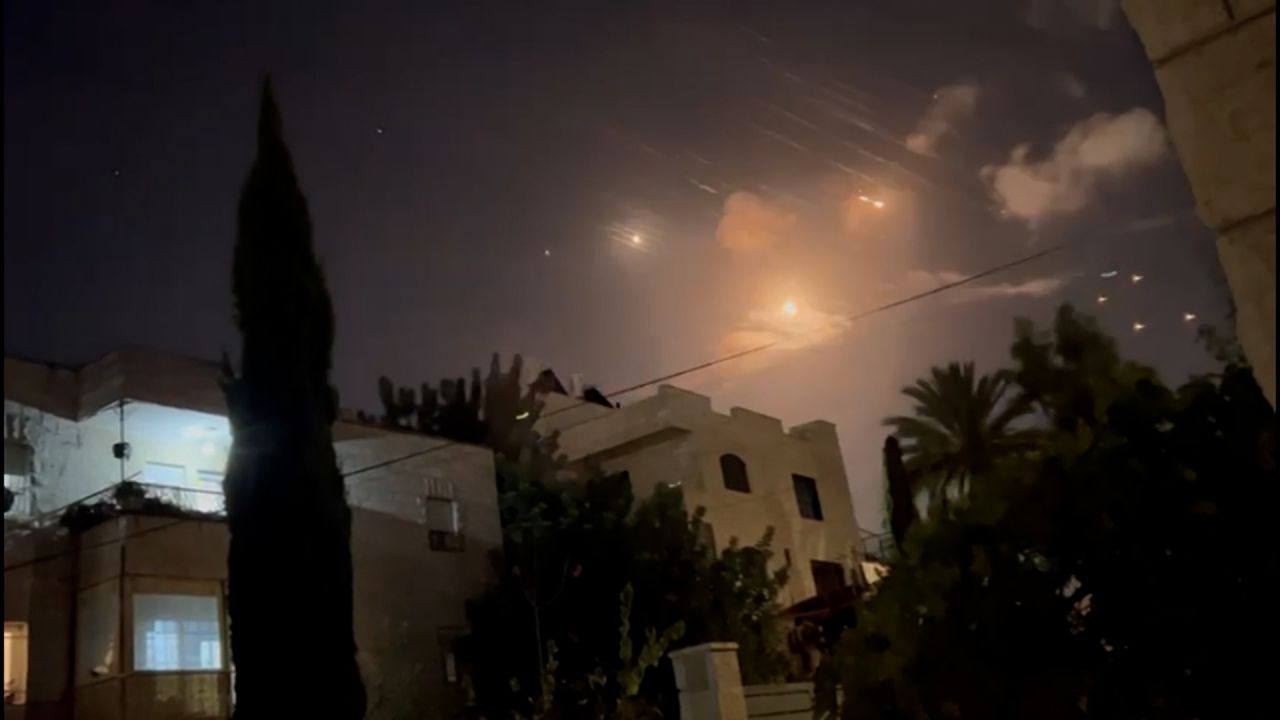
Israel's military has reported the detection of missiles launched from Iran, marking a significant escalation in regional tensions and heightening the urgency for diplomatic dialogue amidst ongoing conflicts. This development occurs at a time when relations between Israel and Iran have become increasingly strained, with both nations engaging in a series of hostile exchanges and military posturing.
The detection of these missiles is particularly concerning given the broader context of the Middle East, where geopolitical rivalries have long fueled conflicts. Iran's missile capabilities have become a focal point of concern for Israel, which views them as a direct threat to its national security. The situation is further complicated by Iran's support for various militant groups in the region, which have been involved in numerous confrontations with Israeli forces. The potential for miscalculation or unintended escalation is high, as both nations remain on high alert.
This incident highlights the precarious balance of power in the region, where military actions can quickly spiral into wider confrontations. The Israeli military's announcement comes amid ongoing tensions related to Iran's nuclear program, a point of contention not only for Israel but also for the United States and its allies. The international community has expressed concerns over Iran's intentions and the implications of its missile capabilities, particularly in the context of its nuclear ambitions.
The situation calls for renewed diplomatic efforts to address the underlying issues fueling these tensions. Experts have long argued that dialogue is essential to prevent further escalation and seek a resolution to the myriad conflicts affecting the region. The potential for military confrontation between Israel and Iran poses risks not only to their respective populations but also to the stability of the entire Middle East.
From a Gulf perspective, the detection of missiles from Iran raises alarms among neighboring countries, many of which have their own security concerns regarding Iranian influence and military capabilities. The Gulf states have been navigating a complex landscape of alliances and rivalries, and any increase in hostilities between Iran and Israel could have ripple effects throughout the region. As nations grapple with their own security dilemmas, the need for a cohesive approach to regional stability becomes increasingly apparent.
The detection of missiles launched from Iran by the Israeli military serves as a stark reminder of the fragile state of security in the Middle East. The escalation of tensions underscores the importance of diplomatic engagement to address the complex web of conflicts and rivalries that characterize the region. As the Gulf states watch closely, there remains hope that dialogue can prevail over confrontation, paving the way for a more stable future.
النسخة العربية
الجيش الإسرائيلي يعلن رصد صواريخ أُطلقت من إيران
أعلن الجيش الإسرائيلي عن رصد صواريخ أُطلقت من إيران، مما يثير توترات جديدة في منطقة الشرق الأوسط التي تعاني بالفعل من تصاعد النزاعات والتوترات السياسية. يأتي هذا الإعلان في وقت حساس حيث تتشابك فيه المصالح الإقليمية والدولية، مما يعقد الأوضاع ويزيد من احتمالات التصعيد العسكري.
تعتبر هذه الخطوة تطوراً خطيراً في العلاقات المتوترة بين إسرائيل وإيران، حيث تتبادل الدولتان الاتهامات والتهديدات منذ سنوات. تواجه إيران، التي تعتبر نفسها داعمة للقضية الفلسطينية، ضغوطاً دولية متزايدة بسبب برنامجها النووي ونفوذها الإقليمي المتنامي. من جهة أخرى، ترى إسرائيل في إيران تهديداً وجودياً وتسعى جاهدة لاحتواء نفوذها في المنطقة.
لم تُعلن إسرائيل عن تفاصيل إضافية حول نوع الصواريخ أو مدى تأثيرها، مما يترك المجال مفتوحاً للتكهنات حول الأهداف المحتملة لهذه الصواريخ وما إذا كانت تحمل رسائل سياسية أو عسكرية معينة. يعكس هذا الإعلان تصاعد التوترات بين الجانبين، حيث سبق وأن شهدت المنطقة مواجهات عسكرية محدودة بينهما.
Source tweet
Israel's military claims to have detected missiles launched from Iran. This escalation further complicates regional tensions and underscores the need for diplomatic dialogue over confrontation.
More Stories
 BREAKING
Putin Meets Iranian Foreign Minister Abbas Araghchi in St Petersburg
 Palestine
Ceasefires in Iran, Lebanon shift focus to Gaza
 BREAKING
US-Iran Peace Talks Stall in 2026: Oil Hits 3-Week High on Hormuz Risk
 Gulf
GulfHouthis Back Iran 2026: Red Sea Shipping Toll Threatens Gulf Trade
 Palestine