

Israel's military has launched a new wave of attacks in central Iran, coinciding with strikes on Beirut. This escalation

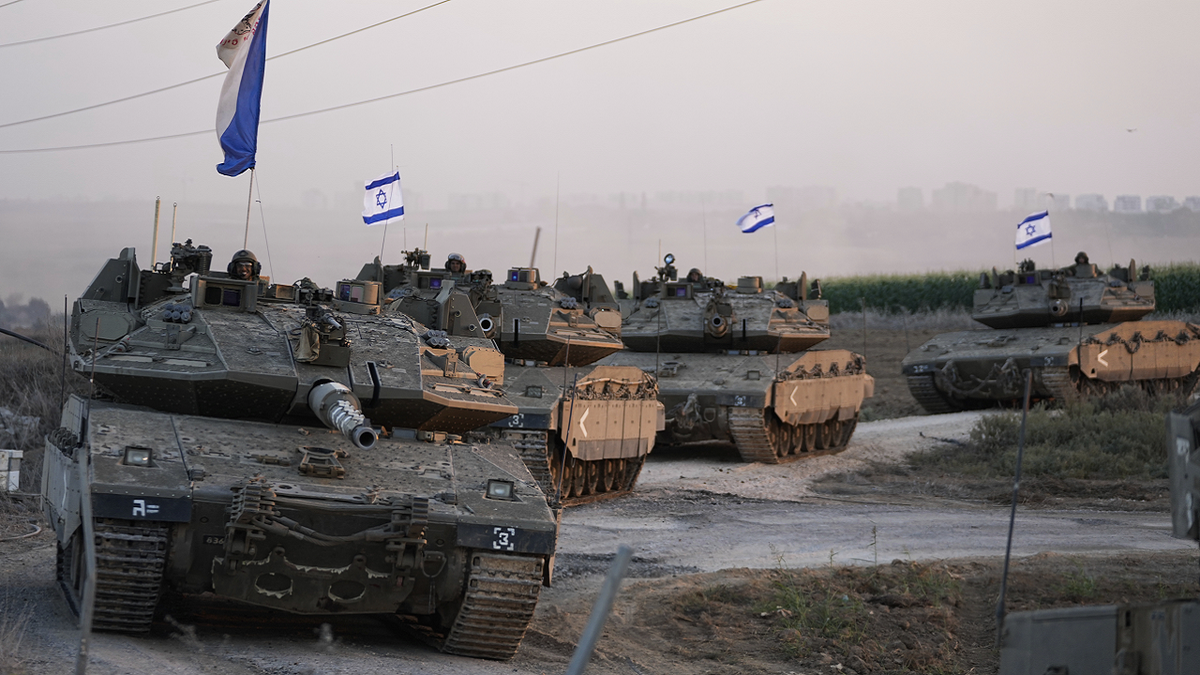
Israel's military has launched a new series of attacks in central Iran, coinciding with airstrikes in Beirut, raising significant concerns about the potential for escalating regional conflict. The timing of these operations suggests a coordinated strategy aimed at countering perceived threats from Iran and its allies in Lebanon, particularly Hezbollah.
These military actions come amid heightened tensions in the Middle East, where Israel has long viewed Iran's nuclear ambitions and its support for militant groups as existential threats. The strikes in Iran reportedly target facilities believed to be linked to military operations, while the strikes in Beirut are seen as a direct response to Hezbollah's activities. This dual-front approach indicates a shift in Israel's military strategy, potentially aiming to deter Iranian influence across the region by demonstrating its willingness to act decisively.
The implications of these attacks extend beyond immediate military objectives. Analysts warn that such escalations could provoke retaliatory actions from Iran and its proxies, potentially igniting broader hostilities that could destabilize the entire region. The interconnected nature of Middle Eastern geopolitics means that a conflict involving Israel, Iran, and Hezbollah could quickly draw in other regional players, complicating an already volatile situation.
In recent years, Gulf states have been navigating a complex landscape of alliances and enmities, with many seeking to balance relations with both the West and Iran. The escalation of military actions by Israel may prompt Gulf nations to reassess their security strategies and diplomatic stances. Countries like Qatar, which have historically maintained a more neutral position, might find themselves under pressure to take sides in a conflict that could have far-reaching consequences for regional stability.
As the situation develops, the international community is closely monitoring the potential for further escalation. Diplomatic efforts aimed at reducing tensions and promoting dialogue may become increasingly urgent, especially as the cycle of retaliation could lead to a wider conflict. The Gulf states, with their strategic interests in maintaining stability and security, will likely play a critical role in any forthcoming diplomatic initiatives.
These military operations highlight the precarious balance of power in the Middle East, where a single miscalculation could lead to a significant escalation of violence. For Qatar and its Gulf neighbors, the focus will remain on safeguarding their national interests while navigating the complex dynamics of regional politics. As the situation unfolds, the potential for a broader conflict remains a pressing concern, underscoring the need for sustained diplomatic engagement and conflict resolution efforts in the region.
النسخة العربية
الجيش الإسرائيلي يعلن بدء موجة جديدة من الهجمات في وسط إيران بالتزامن مع هجوم على بيروت
أعلن الجيش الإسرائيلي عن بدء موجة جديدة من الهجمات في وسط إيران، بالتزامن مع تنفيذ ضربات على العاصمة اللبنانية بيروت. تأتي هذه التطورات في إطار تصاعد التوترات الإقليمية التي تشهدها المنطقة، مما يثير مخاوف من تداعيات أوسع نطاقًا قد تؤثر على الاستقرار الإقليمي.
تاريخيًا، شهدت العلاقات بين إسرائيل وإيران توترات مستمرة، حيث تعتبر إسرائيل البرنامج النووي الإيراني تهديدًا لأمنها القومي. في السنوات الأخيرة، تصاعدت حدة التوترات مع تنفيذ إسرائيل لعمليات عسكرية تستهدف مواقع إيرانية في سوريا، إلا أن توسيع نطاق الهجمات ليشمل الأراضي الإيرانية يمثل تصعيدًا جديدًا في الصراع. من جهة أخرى، تعتبر إيران هذه الهجمات انتهاكًا لسيادتها وتوعدت بالرد عليها، مما يزيد من احتمالات اندلاع مواجهات مباشرة بين الجانبين.
أما بالنسبة للهجمات على بيروت، فإنها تأتي في سياق معقد يشمل العديد من الأطراف الفاعلة في الساحة اللبنانية. تعتبر إسرائيل حزب الله، الذي يتمتع بنفوذ كبير في لبنان، تهديدًا مباشرًا لأمنها، وقد سبق وأن نفذت ضربات جوية تستهدف مواقع تابعة للحزب في لبنان وسوريا. هذه الهجمات تزيد من تعقيد الوضع في لبنان الذي يعاني بالفعل من أزمات اقتصادية وسياسية خانقة.
Source tweet
Israel's military has launched a new wave of attacks in central Iran, coinciding with strikes on Beirut. This escalation raises serious concerns about regional stability and the cycle of conflict.
More Stories
 BREAKING
Putin Meets Iranian Foreign Minister Abbas Araghchi in St Petersburg
 Palestine
Ceasefires in Iran, Lebanon shift focus to Gaza
 BREAKING
US-Iran Peace Talks Stall in 2026: Oil Hits 3-Week High on Hormuz Risk
 Gulf
GulfHouthis Back Iran 2026: Red Sea Shipping Toll Threatens Gulf Trade
 Palestine