

Oil Prices Rise
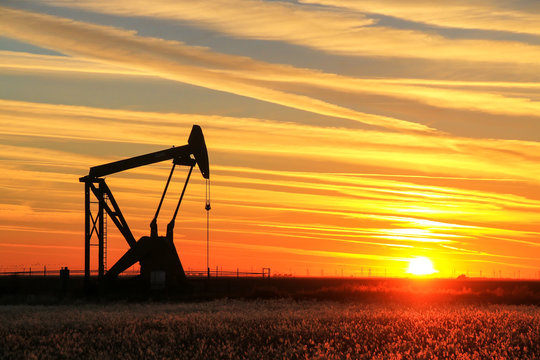
Oil prices have risen as hopes for a deal to end the war in Iran fade, with Brent crude increasing by 2.05% to $103.3 and West Texas Intermediate rising by 1.57% to around $97. The stalemate in the Iran war continues, with the latest developments causing concern in global markets. The rise in oil prices comes after President Donald Trump described Iran's latest response to the US proposal as "unacceptable", leading to increased strain on the ceasefire.
The context of the current situation is significant, as the Iran nuclear deal has been a major point of contention between the US and Iran. The deal, which was intended to limit Iran's nuclear program in exchange for relief from economic sanctions, has been on shaky ground since the US withdrew from it. The current war in Iran has further complicated the situation, with both sides dug in and refusing to back down. The US has imposed strict sanctions on Iran, which have had a significant impact on the country's economy. Iran, on the other hand, has demanded that the US lift these sanctions and end its blockade of the country.
The latest response from Iran, as reported by Iranian media, stresses the necessity of lifting US sanctions and ending the war on all fronts. Iran has also demanded guarantees that the war will not resume and has sought to ensure its control of the Strait of Hormuz. However, it is unclear whether Iran is willing to make any concessions related to its nuclear program. The US, on the other hand, has made it clear that it will not accept any deal that does not address its concerns about Iran's nuclear program.
The rise in oil prices is likely to have a significant impact on global markets, particularly in the Gulf region. Qatar, which is a major oil producer, will likely be affected by the increase in oil prices. The country has been working to diversify its economy and reduce its dependence on oil exports, but it still remains a significant player in the global oil market. As such, any changes in oil prices are likely to have a major impact on Qatar's economy.
The rise in oil prices due to the fading hopes of a deal to end the war in Iran is a significant development that will have far-reaching implications for global markets. From a Qatar perspective, the increase in oil prices is likely to have a major impact on the country's economy, particularly in the short term. However, the country's efforts to diversify its economy and reduce its dependence on oil exports will likely help to mitigate the effects of the price increase in the long term. As the situation in Iran continues to unfold, it is likely that oil prices will remain volatile, and Qatar will need to be prepared to respond to any changes in the global market.
النسخة العربية
ارتفاع أسعار النفط
ترتفع أسعار النفط مع تلاشي آمال اتفاق لإنهاء الحرب في إيران، مما يؤثر على الأسواق العالمية. هذا التطور يأتي بعد أن أبدى الرئيس الأمريكي دونالد ترامب رفضه لآخر رد من طهران على الاقتراح الأمريكي، ووصفها بأنها "غير مقبولة".
تعتبر الحرب في إيران قضية هامة ومؤثرة على الأسواق العالمية، خاصة فيما يتعلق بالطاقة. وقد أثر تلاشي الآمال في التوصل إلى اتفاق لإنهاء الحرب على أسعار النفط، حيث ارتفعت أسعار خام برنت، المعيار الدولي، بنسبة 2.05% إلى 103.3 دولار للبرميل، في حين ارتفعت أسعار خام غرب تكساس الوسيط، المعيار الأمريكي، بنسبة 1.57% إلى 97 دولار للبرميل.
تسببت تصريحات الرئيس ترامب في زيادة التوترات، حيث قال إن رد إيران كان "غير مناسب"، وإن النظام الإيراني كان "يستغل العديد من الدول لمدة 47 عامًا". من جانبها، زعمت وسائل الإعلام الإيرانية أن رد طهران كان يهدف إلى إنهاء الحرب وضمان ضمانات لعدم استئنافها. وطالب النظام الإيراني برفع العقوبات الأمريكية وضمان السيطرة على مضيق هرمز.
Source tweet
Oil prices increase as hopes for a deal to end the war in Iran fade, affecting global markets.
More Stories
 Iran
IranUS Officials Say Iran May Return to Talks Due to Oil Storage Shortage
 Gulf
GulfUAE defies Gulf on oil production
 Economy
Reuters Reports Oil Prices Continue Rising Amid Supply Disruption Fears
 BREAKING