
Oman meeting aims to convince Trump regional powers control Strait of Hormuz
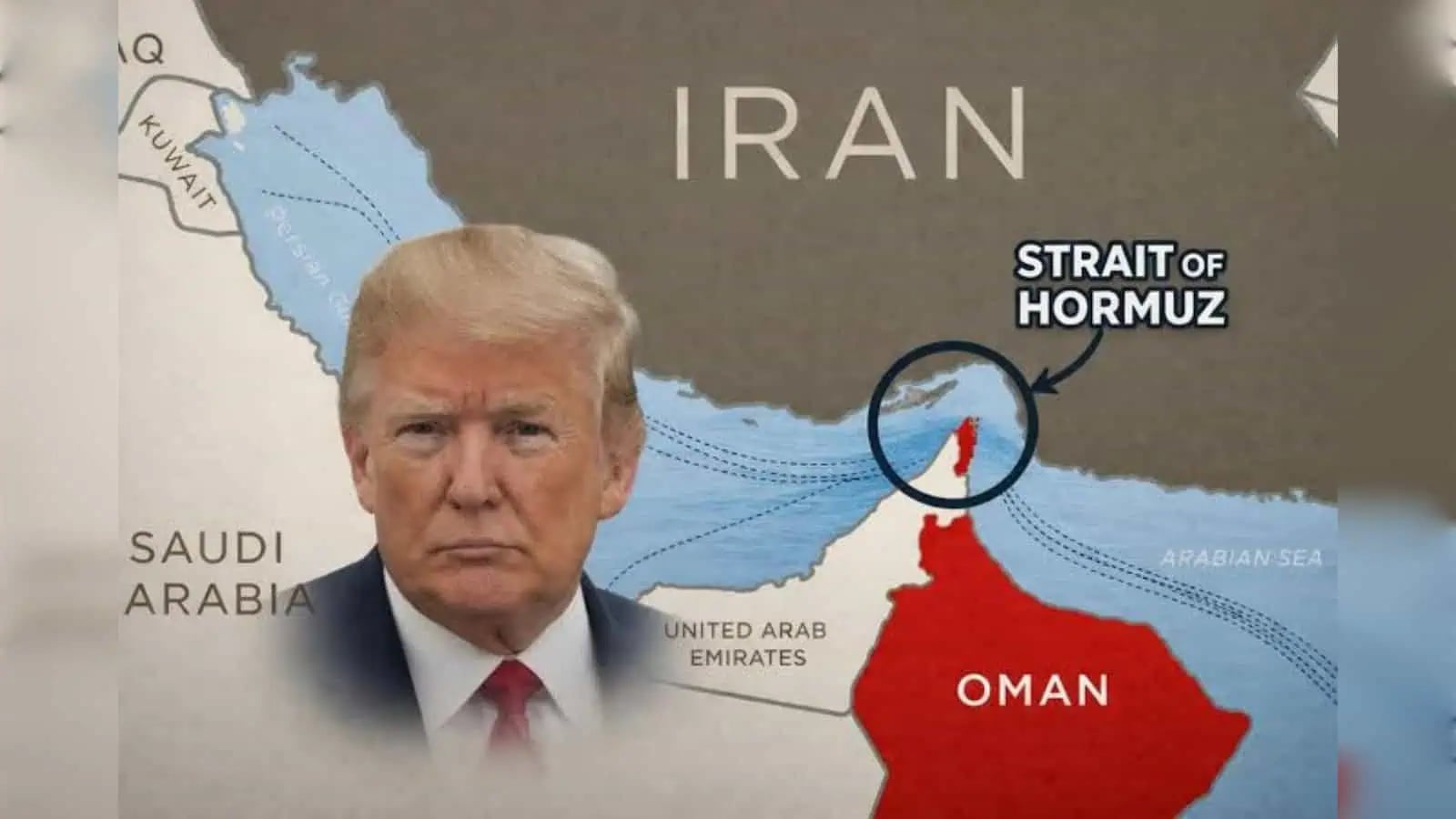
Oman is hosting a diplomatic meeting focused on the Strait of Hormuz, bringing together regional voices to press Washington on the future governance of the vital waterway. Central to the discussions is an argument advanced by an Iran expert participating in the talks: that US President Donald Trump must recognize the principle that regional states, not external powers, should hold primary control over the strait's security and oversight arrangements. The Strait of Hormuz, a narrow chokepoint between Oman and Iran, carries roughly a fifth of the world's seaborne oil and a large share of global liquefied natural gas shipments, making its stability a direct economic concern for every Gulf producer. Oman has long positioned itself as a neutral convener in Gulf security debates, maintaining working channels with Tehran, Washington, and its Gulf Cooperation Council neighbors alike, and Muscat's willingness to host this conversation reflects that traditional role. For Qatar, which relies on safe passage through the strait to export the bulk of its liquefied natural gas to Asian and European buyers via the Persian Gulf, any shift toward a security framework rooted in regional control rather than external military dominance would align with Doha's long-standing preference for dialogue over confrontation with Iran, as well as its broader push for Gulf states to manage their own security architecture. The talks come against a backdrop of recurring tensions in the waterway, including past seizures of tankers and periodic threats from Tehran to restrict transit, which have repeatedly underscored how quickly disruptions there can ripple through global energy markets and regional diplomacy.
النسخة العربية
عمان تستضيف محادثات حول هرمز لحث ترامب على الاعتراف بالسيطرة الإقليمية
تستضيف سلطنة عُمان اجتماعاً دبلوماسياً يركز على مضيق هرمز، يجمع أصواتاً إقليمية بهدف إقناع واشنطن بمستقبل إدارة هذا الممر المائي الحيوي. ويتمحور النقاش حول حجة طرحها خبير في الشأن الإيراني خلال المحادثات، مفادها أن الرئيس الأمريكي دونالد ترامب يجب أن يعترف بمبدأ أن الدول الإقليمية، وليست القوى الخارجية، هي من ينبغي أن تتحكم بشكل أساسي في ترتيبات أمن المضيق والإشراف عليه. ويُعد مضيق هرمز، وهو ممر ضيق يفصل بين عُمان وإيران، طريقاً يمر عبره نحو خُمس صادرات النفط العالمية المنقولة بحراً، إضافة إلى حصة كبيرة من شحنات الغاز الطبيعي المسال حول العالم، ما يجعل استقراره شأناً اقتصادياً مباشراً لكل منتج خليجي. وقد رسّخت عُمان لنفسها منذ سنوات دور الوسيط المحايد في نقاشات الأمن الخليجي، محافظةً على قنوات تواصل فاعلة مع طهران وواشنطن وجيرانها في مجلس التعاون الخليجي على حد سواء، ويعكس استضافة مسقط لهذا الحوار استمرارية هذا الدور التقليدي. أما بالنسبة لقطر، التي تعتمد على سلامة الملاحة عبر المضيق لتصدير الجزء الأكبر من غازها الطبيعي المسال إلى الأسواق الآسيوية والأوروبية عبر الخليج العربي، فإن أي تحول نحو إطار أمني قائم على السيطرة الإقليمية بدلاً من الهيمنة العسكرية الخارجية سيتماشى مع توجه الدوحة الثابت نحو الحوار بدلاً من المواجهة مع إيران، وسعيها الأوسع لتمكين دول الخليج من إدارة بنيتها الأمنية بنفسها. وتأتي هذه المحادثات في ظل توترات متكررة شهدها الممر المائي، من بينها عمليات احتجاز سابقة لناقلات نفط وتهديدات دورية من طهران بتقييد حركة الملاحة، وهي حوادث أكدت مراراً مدى سرعة انتقال تداعيات أي اضطراب هناك إلى أسواق الطاقة العالمية والدبلوماسية الإقليمية.
Source tweet
Oman is hosting a meeting on the Strait of Hormuz, with an Iran expert arguing Trump must recognize that regional countries, not external powers, should control the waterway's future.
More Stories
 General
US federal judge clears way for Trump to end Somali deportation protections
 Diplomacy
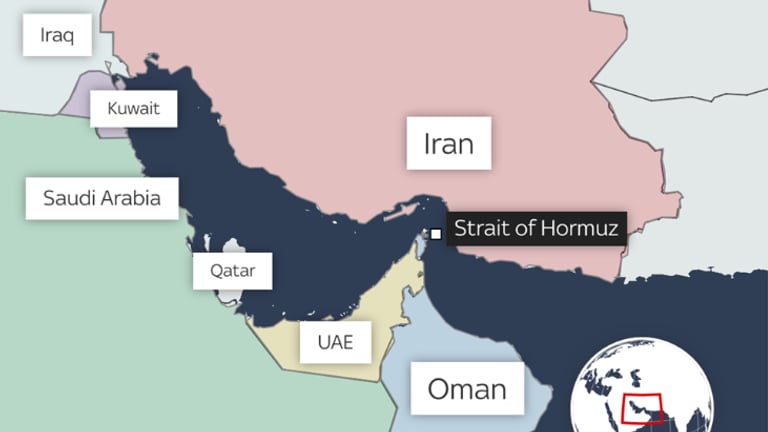
Qatar backs Oman-Iran talks reaching critical stage on Strait of Hormuz
 Gulf
GulfDoha Hosts 2026 Arab Network for Quality Assurance in Higher Education Forum
 Diplomacy
US-Iran direct talks: no date or venue finalized yet
 Economy