

Reports indicate that missiles launched from Iran towards the Negev and Gaza border have been intercepted. The
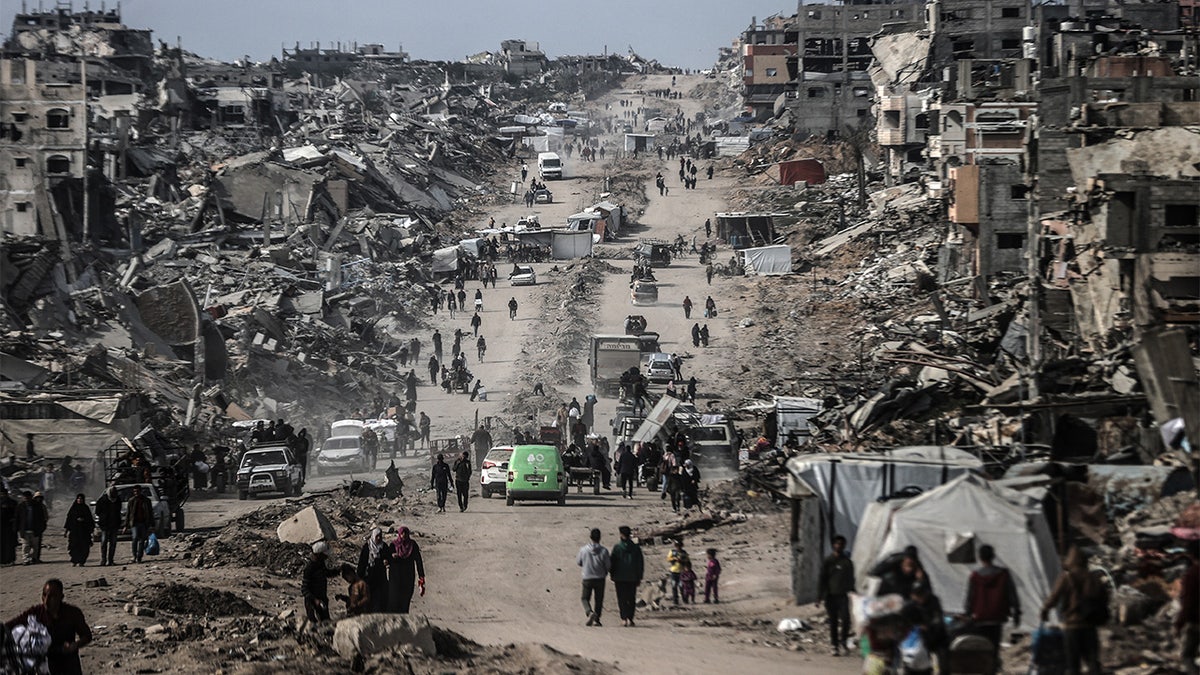
Reports indicate that missiles launched from Iran towards the Negev and Gaza border have been intercepted, heightening tensions in an already volatile region. The interception underscores the ongoing complexities of Middle Eastern geopolitics, particularly as Iran's military capabilities continue to pose challenges for neighboring countries.
This incident reflects a broader context of escalating hostilities in the region, where Iran's influence has been a point of contention for Israel and its allies. The missile launch, attributed to Iranian forces, is seen as part of a larger strategy to project power and support groups opposed to Israel. The interception, executed by Israel's advanced defense systems, highlights the effectiveness of its military technology in countering threats from adversaries. This event comes amid ongoing conflicts and skirmishes along the Gaza border, where tensions have been exacerbated by political and military developments in recent months.
The significance of this interception extends beyond immediate military implications. It serves as a reminder of the fragile security landscape in the Middle East, where the balance of power is constantly shifting. Iran's missile capabilities have been a focal point for Israel, which has consistently expressed concerns over Tehran's intentions and its support for militant groups in the region. The interception not only protects Israeli territory but also sends a message to Iran about the readiness and resolve of Israeli defense forces.
As the situation continues to evolve, regional dynamics remain precarious. The potential for further escalation exists, particularly if Iran perceives the interception as a provocation. The response from Tehran could influence future military engagements and diplomatic relations in the region. Additionally, the involvement of external powers, including the United States and other Gulf states, adds another layer of complexity to the situation. Their responses to these developments could shape the trajectory of regional stability.
From a Gulf perspective, the interception of missiles launched from Iran is a critical development that resonates with the security concerns of neighboring countries. The Gulf states, many of which share borders or have maritime interests near Iran, are closely monitoring the situation. The potential for spillover effects from Iranian military actions poses a direct threat to their national security. As such, the Gulf Cooperation Council states may consider strengthening their defense collaborations and strategic partnerships to address the evolving threat landscape.
The interception of missiles launched from Iran towards the Negev and Gaza border highlights ongoing tensions in the region and the intricate web of military and political relationships at play. As Israel continues to bolster its defense capabilities, the Gulf states are likely to remain vigilant, seeking to navigate the complexities of regional security while addressing their own concerns about Iran's influence. The situation remains fluid, and the potential for further developments will be closely watched by all parties involved.
النسخة العربية
اعتراض صواريخ أُطلقت من إيران نحو النقب وغلاف غزة، وفقاً لمراسل التلفزيون العربي
اعتراض صواريخ أُطلقت من إيران نحو النقب وغلاف غزة، وفقاً لمراسل التلفزيون العربي، يُعتبر تطوراً مهماً في سياق التوترات الإقليمية المتصاعدة في الشرق الأوسط. هذا الحدث يعكس تصاعد التوتر بين إيران وإسرائيل، حيث يُعتبر إطلاق الصواريخ من إيران نحو أهداف إسرائيلية خطوة تصعيدية قد تؤدي إلى تداعيات خطيرة في المنطقة.
إطلاق الصواريخ يأتي في ظل تصاعد التوترات بين إيران وإسرائيل، حيث تشهد المنطقة توتراً مستمراً بسبب التنافس الإقليمي والنزاعات السياسية. إسرائيل تعتبر إيران تهديداً وجودياً، وقد شهدت السنوات الأخيرة تبادلاً للاتهامات والتهديدات بين البلدين، إضافة إلى حوادث سابقة من الهجمات السيبرانية والعمليات العسكرية السرية.
التفاصيل حول عدد الصواريخ التي أُطلقت أو كيفية اعتراضها لم تُذكر في التقرير، لكن الاعتراض الناجح يشير إلى فعالية أنظمة الدفاع الجوي الإسرائيلية، والتي تُعتبر من بين الأكثر تطوراً في العالم. إسرائيل تعتمد بشكل كبير على منظومات مثل "القبة الحديدية" و"مقلاع داوود" لحماية أراضيها من التهديدات الصاروخية.
Source tweet
🚨 Reports indicate that missiles launched from Iran towards the Negev and Gaza border have been intercepted. The situation remains tense as regional dynamics continue to evolve.
More Stories
 BREAKING
Putin Meets Iranian Foreign Minister Abbas Araghchi in St Petersburg
 Palestine
Ceasefires in Iran, Lebanon shift focus to Gaza
 BREAKING
US-Iran Peace Talks Stall in 2026: Oil Hits 3-Week High on Hormuz Risk
 Gulf
GulfHouthis Back Iran 2026: Red Sea Shipping Toll Threatens Gulf Trade
 Iran
Iran