
التوترات الخليجية قد تهدد النمو الاقتصادي لدول غرب أفريقيا
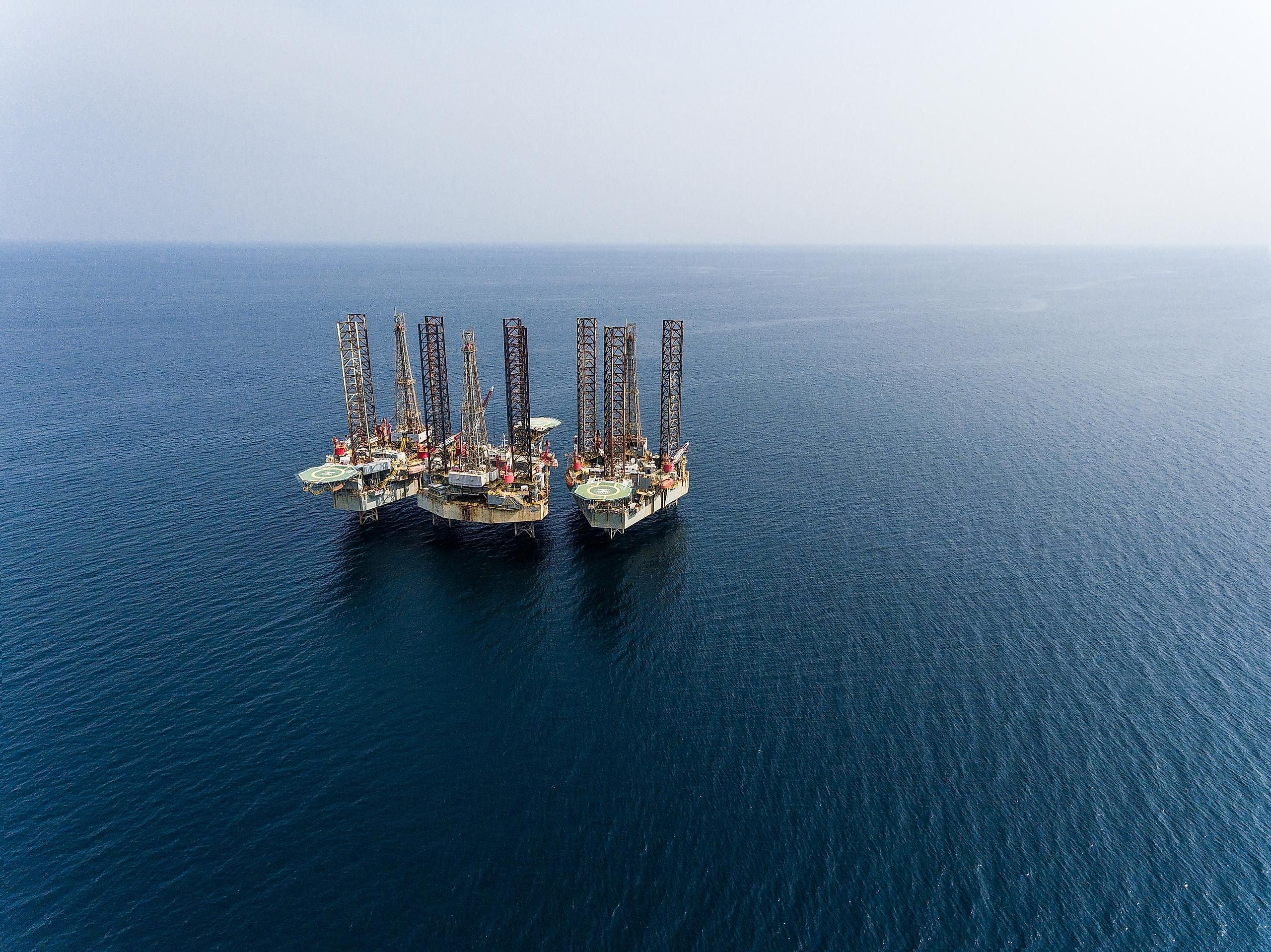
حذّر تحليل نشرته CNBC Africa من أن تصاعد التوترات في منطقة الخليج قد يشكّل عبئاً اقتصادياً مستمراً على دول غرب أفريقيا لسنوات مقبلة، وذلك عبر ثلاث قنوات رئيسية: أسعار الطاقة، وتدفقات التجارة، والاستثمارات الأجنبية. فكثير من اقتصادات غرب أفريقيا مستوردة صافية للنفط، ما يجعلها عرضة لأي ارتفاع مفاجئ في الأسعار كلما اشتدت التوترات بين دول الخليج وإيران، إذ تنعكس تكاليف الخام والوقود المكرر مباشرة على معدلات التضخم وتكاليف النقل وفاتورة دعم الوقود الحكومي في المنطقة. أما القناة الثانية فهي طرق الشحن البحري، حيث دفعت الاضطرابات القريبة من مضيق هرمز ونقاط الاختناق في البحر الأحمر مثل باب المندب شركات الشحن في السنوات الأخيرة إلى تحويل مساراتها حول رأس الرجاء الصالح، ما رفع تكاليف الشحن وأطال مدد التسليم لمصدّري الكاكاو والنفط والمعادن الأفارقة، وكذلك لمستوردي السلع المصنّعة والوقود. أما القناة الثالثة فهي الاستثمار، إذ باتت صناديق الثروة السيادية الخليجية، ومنها الصناديق القطرية والإماراتية والسعودية، من أبرز الممولين لمشاريع البنية التحتية والموانئ والطاقة والزراعة في أفريقيا، وهو ما يعني أن استمرار عدم الاستقرار الخليجي قد يدفعها إلى مزيد من الحذر أو تأخير التزامات جديدة تجاه حكومات غرب أفريقيا الباحثة عن التمويل. ويشير التحليل أيضاً إلى البعد الإنساني، إذ تمثّل تحويلات العمال الأفارقة العاملين في دول الخليج مصدر دخل مهماً لعدد من اقتصادات المنطقة، وأي اضطراب خليجي طويل قد يهدد أسواق العمل تلك. وتواصل قطر، بوصفها من كبار مصدّري الغاز المسال ووسيطاً دبلوماسياً في أزمات المنطقة، تقديم نفسها كطرف مستقر، حيث تستمر دبلوماسية الدوحة في مجال الطاقة والتواصل الاستثماري مع أفريقيا رغم التوترات الخليجية الأوسع.
English Version
Rising Gulf Instability Could Derail West African Economic Growth, CNBC Reports
Rising Gulf tensions could weigh on West African economies for years, according to a CNBC Africa analysis examining how instability in the Gulf region ripples across the continent through three main channels: energy prices, trade flows and foreign investment. West African economies, several of which are net oil importers, remain exposed to price spikes whenever tensions flare between Gulf states and Iran, since crude and refined fuel costs feed directly into inflation, transport costs and government fuel subsidy bills across the region. Shipping routes are a second point of exposure. Disruptions near the Strait of Hormuz and Red Sea chokepoints such as Bab-el-Mandeb have already forced container lines to reroute around the Cape of Good Hope in recent years, raising freight costs and delivery times for West African exporters of cocoa, oil and minerals as well as importers of manufactured goods and fuel. The third channel is investment. Gulf sovereign wealth funds, including Qatar's, the UAE's and Saudi Arabia's, have become increasingly active financiers of African infrastructure, ports, energy and agriculture projects, meaning heightened Gulf instability could make these funds more risk-averse or slow new commitments to West African governments seeking capital. CNBC Africa's analysis also notes the human dimension: remittances from West African workers employed across Gulf states form a meaningful income source for several economies in the region, and any prolonged Gulf turmoil could disrupt those labor markets. Qatar, as a leading LNG exporter and diplomatic mediator in regional crises, has consistently positioned itself as a stabilizing actor, with Doha's energy diplomacy and investment outreach to Africa continuing even amid broader Gulf tensions.
المصدر
تشكل التوترات الجيوسياسية في الخليج خطراً اقتصادياً مستمراً على دول غرب أفريقيا، وقد تؤثر على أسعار الطاقة والتجارة والاستثمارات الأجنبية.
المزيد من القصص
 اقتصاد
شحنة غاز قطرية تصل إلى كراتشي وسط التوترات في مضيق هرمز
 اقتصاد
رئيس الوزراء القطري يعطي أولوية لإمدادات الطاقة للصين وسط التوترات الإقليمية
 أفريقيا
مصر تحذر إثيوبيا من سدود نيلية جديدة وسط تصعيد التوترات الإقليمية
 أفريقيا
أكثر من 2000 قائد أفريقي يجتمعون في نيويورك لقمة أفريقيا 2026
 أفريقيا