

ستة ملايين صومالي يواجهون الجوع. والخليج يراقب هرمز.

أربعة مواسم أمطار متتالية فشلت. والخامس، أمطار 'جو' التي كان يُفترض أن تصل هذا الربيع عبر منطقة القرن الأفريقي، لم تصل بكميات كافية. وفقاً لتقرير منظمة أطباء بلا حدود الصادر في 20 مايو 2026، فإن النتيجة هي: 6.5 مليون صومالي يواجهون انعداماً حاداً للأمن الغذائي، أي واحد من كل أربعة في البلاد. مليونان منهم في المرحلة الرابعة من التصنيف المتكامل لمراحل الأمن الغذائي — التصنيف الذي يسبق المجاعة مباشرة. ومن المتوقع أن يعاني 1.84 مليون طفل صومالي دون الخامسة من سوء التغذية الحاد خلال عام 2026. وأن 3.3 مليون شخص نازحون داخلياً عبر البلاد. وأن 50 ألفاً قد عبروا بالفعل إلى الإقليم الصومالي في إثيوبيا بحثاً عن مساعدات لم تعد متوفرة عند وصولهم.
خطة الاستجابة الإنسانية للصومال لعام 2026 ممولة، وفقاً لتقرير أطباء بلا حدود، بنسبة 10.9% فقط.
قصة وصول حالة طوارئ بطيئة التطور إلى هذه النقطة ليست قصة تحذير لم يُسمع. التحذير كان مستمراً منذ عامين. إنها قصة نظام إنساني دولي يتقلص في اللحظة نفسها التي كانت فيها الأزمة المناخية تتوسع في المناطق الجنوبية والوسطى من الصومال. تراجع برنامج الغذاء العالمي في الصومال من أكثر من مليوني مستفيد إلى نحو 600 ألف. وفي بونتلاند، 170 بئراً وحفرة معطلة. وأُغلق سبعون مرفقاً صحياً. حساب التقلص قد التقى بحساب الحاجة، والفجوة بينهما هي ما تصفه أرقام النزوح.
أين لم يهطل المطر
جغرافيا الطوارئ محددة. في جنوب غرب الصومال، حول بايدوا، وزعت فرق أطباء بلا حدود نحو 30 مليون لتر من الماء الصالح للشرب على 21 ألف شخص. الرقم كبير لأن البديل هو الشرب من مصادر تنتج تفشيات الكوليرا التي تلت كل جفاف صومالي في هذا العقد. بالقرب من جالكعيو، في إقليم مدغ، وصل ثلاثة ملايين لتر إلى 11 ألف شخص. وعبر الحدود في الإقليم الصومالي بإثيوبيا — منطقة أفدير، منطقة شبيلي، مقاطعتا باري وكيلافو — الأشخاص العابرون يصلون إلى عيادات اضطُرّت هي ذاتها إلى تقليص الخدمات بسبب تخفيضات التمويل.
وقد وصف محمد عمر، رئيس برامج أطباء بلا حدود في الصومال، ما تواجهه الفرق بأن الموارد تصل أبطأ من الناس. وصاغ عبد الله محمد عبدي، نائب قائد الفريق الطبي لأطباء بلا حدود في إثيوبيا، الوضع عبر الحدود بشكل أكثر مباشرة: "ما نراه على الأرض هو تقليص للخدمات." التقليص ليس لأن المنظمات قررت أن الوضع لا يستحق الخدمات. بل لأن التمويل اللازم لتقديمها لم يصل.
فشل أربعة مواسم 'جو' متتالية ليس حدثاً مناخياً عادياً. إنه الحدث المناخي الذي تنبأت به التوقعات للقرن الأفريقي على مدى العقدين الماضيين، والذي صُمم النظام الإنساني الدولي، من حيث المبدأ، للاستجابة له. الاستجابة، هذا الموسم، هي تلك التي لم يُحشد التمويل لها.
انهيار التمويل
يضع تقرير أطباء بلا حدود هذه الطوارئ في سياق أوسع وصفه المراقبون الإنسانيون على مدى الثمانية عشر شهراً الماضية: تقلص عالمي للمساعدات يدفعه إعادة معايرة ميزانيات المانحين الكبار، وتسرّعه ارتفاع تكاليف الوقود واللوجستيات التي أنتجها الصراع في الشرق الأوسط الأوسع. الاثنان مترابطان من الناحية التشغيلية. قافلة إنسانية في وسط الصومال اليوم تدفع أكثر مقابل الديزل الذي يحركها. ميزانية المانح التي تدفع ثمن ذلك الديزل قد تقلصت. الحساب سار في الاتجاه الخاطئ في اللحظة الخاطئة.
التقلص ليس موحداً. المانحون الثنائيون الغربيون — الولايات المتحدة والمملكة المتحدة والدول الأعضاء في الاتحاد الأوروبي — قد خفّضوا مجتمعين مخصصاتهم الإنسانية للأزمات في أفريقيا بأرقام تتراوح، بحسب البند الذي يُحتسب، بين 15 و35 بالمئة خلال السنتين الماليتين الماضيتين. الأسباب سياسية محلية وليست تحليلية ميدانية. النتيجة هي استجابة لجفاف القرن الأفريقي تعمل بجزء يسير من الموارد التي كانت تعمل بها قبل عامين، في ظروف باتت أصعب وليس أسهل.
بالنسبة لدول الخليج، الحساب مختلف والنتيجة متماثلة. لم تعلن أيّ من المؤسسات الإنسانية الخليجية الكبرى — صندوق قطر للتنمية، مؤسسة خليفة بن زايد، مركز الملك سلمان للإغاثة، الجمعية الكويتية للإغاثة — عن تجديد طارئ كبير لجفاف القرن الأفريقي في دورة 2026. البرامج الجارية مستمرة. لكن طفرة الاستجابة للأزمات التي كان الوضع سيبررها قبل خمس سنوات لم تُحشد. نمط المانح الخليجي في 2026 كان مركزاً على السودان، وإعادة إعمار غزة، واليمن — كلها أولويات مشروعة، كلها أقرب سياسياً.
الخريطة السياسية الكامنة
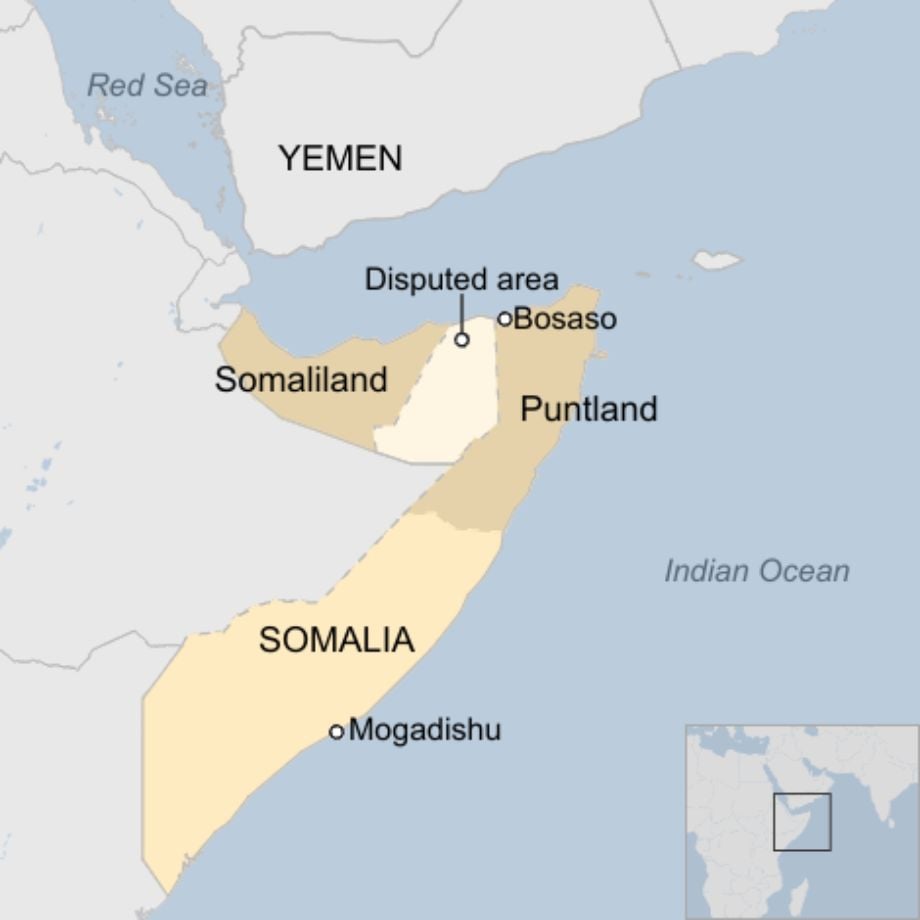
لا يمكن قراءة الأرقام الإنسانية بمعزل عن الخريطة السياسية للصومال في مايو 2026. انتهت الولاية الدستورية للرئيس حسن شيخ محمود في 15 مايو. عُزلت مقديشو بالانتشار الأمني خلال المظاهرات المعارضة التي تلت ذلك. وأعلنت بونتلاند، في شمال شرق البلاد، في وقت سابق من هذا العام أنها لم تعد تعترف بسلطة الحكومة الفيدرالية — بونتلاند نفسها التي تستضيف الآن خمسين ألف نازح لا تملك الحكومة الفيدرالية القدرة، ولا على نحو متزايد السلطة، على تنسيق مساعدتهم. علاقات جوبالاند مع الإدارات الإقليمية على حدودها استمرت دون الرجوع إلى مقديشو. الخريطة الفيدرالية والخريطة التشغيلية لاستجابة الجفاف لا تتطابقان.
هذا يهم المانحين الدوليين، وقد كان السبب غير المعلن لبعض التقلص. الاستجابة الإنسانية الموجهة عبر مقديشو لا يمكن أن تصل إلى المناطق التي لا تعترف إداراتها بسلطة مقديشو. والاستجابة الموجهة مباشرة عبر الإدارات الإقليمية تخلق حرج الظهور — بالنسبة للحكومات لا للأشخاص المتلقين للمساعدة — وكأنها تشرعن التجزؤ الذي عارضه النظام الدولي رسمياً. النتيجة كانت توجيهاً بطيئاً وجزئياً يصل أبطأ من النزوح.
بالنسبة لدولة خليجية تتساءل كيف ترد، الخريطة السياسية هي العائق العملي. سياسة قطر الصومالية بُنيت حول الدفاع عن السلامة الإقليمية الصومالية الفيدرالية عبر منظمة التعاون الإسلامي وأدوات متعددة الأطراف أخرى. برنامج إنساني كبير يتعامل بالضرورة مباشرة مع بونتلاند وجوبالاند سيكون في توتر مع تلك المقاربة. أما الإمارات، التي تحمل تحفظات أقل، فلم تلتزم بطفرة إنسانية مماثلة في القرن الأفريقي رغم وصولها التشغيلي. الشروط الدبلوماسية لمشاركة إنسانية خليجية بحجم الطوارئ المطلوب لم تتراصف.
ارتباط هرمز
هناك صلة أكثر مباشرة بين انشغال الخليج الراهن وجفاف القرن، وهي التي ذكرتها أطباء بلا حدود: تكلفة الوقود. التصعيدات في الأشهر الماضية — انفجارات بندر عباس المبلَّغ عنها هذا الأسبوع، مواجهات زوارق الحرس الثوري السريعة في أعلى الخليج، الدورة الإخبارية الأوسع لتعطل هرمز — تترجم، في سوق التأمين البحري الدولي، إلى تعديلات في الأسعار تنتقل سريعاً إلى تكلفة نقل الديزل من ممبسا أو جيبوتي إلى مشروع إعادة تأهيل بئر في جالكعيو. الوقود الذي يشغّل المضخة، الوقود الذي يشغّل الشاحنة التي تحمل الغذاء، الوقود الذي يشغّل المولّد في عيادة بونتلاند المغلقة التي تحتاج إلى إعادة فتح: كل ذلك أغلى هذا الشهر بسبب أخبار من مسطح مائي على بُعد ألفي كيلومتر.
الصلة ليست خفية على من يدير الاستجابة الإنسانية. هي خفية على معظم التحليل الدبلوماسي والسياسي الذي يقود قرارات المانحين، لأن التحليل يحدث في وزارات مختلفة وعلى جداول زمنية مختلفة. ملف هرمز في وزارة الخارجية. ملف الصومال الإنساني في وزارة المساعدات. الوزارتان لا تتنسقان بسرعة. تكلفة الوقود التي تربطهما تظهر في حسابات الميدان قبل أن تظهر في أي وثيقة سياسية.
ما تطلبه الأرقام
القارئ الخليجي لهذه الأرقام — 6.5 مليون، 1.84 مليون طفل، 10.9 بالمئة ممولة — ليس في موقف القارئ الغربي. تملك دول الخليج القدرة المالية لإغلاق نِسَب كبيرة من الفجوة من خزائنها. صرف صندوق قطر للتنمية السنوي بمئات الملايين من الدولارات. جهاز المساعدات الإماراتي يعمل بحجم مماثل. الصندوق الإنساني السعودي أكبر مرة أخرى. لا شيء من هذه يُقيَّد، على المستوى التشغيلي، بديناميكية إرهاق المانحين التي قلّصت المخصصات الغربية.
ما يقيدها هو السؤال السياسي عن كيفية التعامل مع صومال انحلّت سلطته الفيدرالية إلى أزمة دستورية. الجواب الصادق هو أن المشاركة ستحدث عبر الإدارات الإقليمية أيضاً، لا الفيدرالية وحدها، لأن هناك حيث يوجد النازحون. التكلفة السياسية لتلك المشاركة حقيقية. تكلفة عدم المشاركة هي التي نشرتها أطباء بلا حدود للتو بالأرقام.
أربعة مواسم 'جو' فاشلة ليست إحصائية مناخية مجرّدة. إنها وصف لجزء من العالم توقّفت فيه الأمطار عن الوصول بينما انتقل الاهتمام العالمي إلى مكان آخر. الاهتمام الذي لم ينتقل معها هو، في هذه المرحلة، الشيء الوحيد الذي يغلق الفجوة بين النزوح والاستجابة.
English Version
Six million Somalis face hunger. The Gulf is watching Hormuz.
Four rainy seasons failed in a row. The fifth, the Gu rains that should have arrived this spring across the Horn of Africa, did not arrive in usable quantity either. By the count Médecins Sans Frontières published on 20 May 2026, the consequence is now: 6.5 million Somalis facing acute food insecurity, one in every four people in the country. Two million of them in IPC Phase 4 — the classification one step short of famine. An expected 1.84 million Somali children under the age of five facing acute malnutrition during 2026. Three point three million people internally displaced across the country. Fifty thousand having already crossed into the Somali Region of Ethiopia in search of assistance that, when they arrive, is no longer there.
Somalia's 2026 Humanitarian Response Plan is funded, as of MSF's reporting, at 10.9 percent.
The story of how a slow-onset emergency reached this point is not a story of warning unheeded. The warning has been continuous for two years. It is a story of the international humanitarian system contracting at the same moment that climate-driven crisis was expanding into the southern and central regions of Somalia. The World Food Programme's emergency food caseload in Somalia has dropped from more than two million to approximately 600,000. In Puntland, 170 boreholes and wells are non-functional. Seventy health facilities have closed. The arithmetic of contraction has met the arithmetic of need, and the gap between them is what the displacement numbers describe.
المصدر
6.5 مليون صومالي يواجهون انعداماً حاداً للأمن الغذائي. 1.84 مليون طفل دون الخامسة يُتوقّع أن يعانوا من سوء التغذية هذا العام. خطة الاستجابة الإنسانية في الصومال ممولة بنسبة 10.9% فقط. والخليج منشغل بمضيق هرمز.
المزيد من القصص
 عام
عامحاكم أمريكي يسمح لترامب بإنهاء حماية الصوماليين من الترحيل
 أفريقيا
نائب صومالي يطالب بالشفافية بشأن زيارة رئيس الوزراء حمزة عبدي بري لكندا
 أفريقيا
الشباب تقتل خمسة من عناصر الأمن الكيني في كمين بالحدود الصومالية
 سياسة
سياسةرئيس صوماليلاند يزور إسرائيل ويفتتح سفارة في القدس وسط حديث عن قاعدة في البحر الأحمر
 أفريقيا