
Qatar's 2024 LNG Map: Europe Cut Buys by Half, Gulf Neighbors and Asia Filled the Gap

Qatar's liquefied natural gas exports earned the country $56.9 billion in 2024, a 3.9 percent decline from the $59.2 billion recorded in 2023, according to bilateral trade data filed with the United Nations Statistics Division. The headline drop conceals a structural shift: Europe — which two years ago competed openly for Qatari cargoes after Russia cut pipeline gas — pulled back sharply, while Gulf neighbours and select Asian markets absorbed the redirected volumes.
The European retreat
Belgium, long the largest northern-European destination for Qatari LNG via the Zeebrugge regasification terminal, cut its imports from $2.36 billion to $1.10 billion — a fall of 53 percent in a single year. Italy, the second-largest European buyer, dropped 24.9 percent from $3.22 billion to $2.42 billion. Spain ($0.32B) and the United Kingdom ($0.31B) now barely register on Qatar's customer list. Combined, Qatar's European book shrank to roughly $5.2 billion in 2024 — about 9 percent of total LNG sales.
The shift reflects two converging pressures. American LNG, made cheaper by lower Henry Hub prices and shorter transit, captured most of the European spot market in 2024. Several European utilities, particularly in Belgium and the Netherlands, also faced political pressure to avoid long-term Qatari supply contracts after Doha was named in the so-called "Qatargate" European Parliament corruption case. QatarEnergy publicly walked away from negotiations with Belgium's Fluxys in March 2024 rather than accept the EU's Corporate Sustainability Due Diligence Directive, which carried penalties on emissions disclosures.

The Gulf grew, quietly
The most striking gain came from inside the Gulf itself. The United Arab Emirates increased its purchases by 33.7 percent to $3.49 billion, and Kuwait by 16.0 percent to $1.99 billion. Together the two neighbours bought $5.48 billion of Qatari gas — more than all of Europe combined.
The pattern is partly explained by the Dolphin Energy pipeline, which has carried Qatari gas to the UAE since 2007 but operates well below its 3.2 billion cubic feet per day capacity. Tanker LNG fills the seasonal gap as UAE summer power demand climbs and as Abu Dhabi prioritises domestic gas for petrochemical feedstock rather than household electricity. Kuwait, where peak summer demand has repeatedly forced rolling blackouts, signed a 15-year supply agreement with QatarEnergy that began deliveries in 2022.
Japan, often described as a structurally declining LNG buyer, rebounded 27.6 percent to $2.30 billion as utilities rebuilt inventories and restarted gas-fired generation following the slow nuclear restart.
Asia still anchors the book
Despite the European retreat, Qatar's customer concentration remained heavily Asian. China ($10.70B, 18.8 percent), South Korea ($10.19B, 17.9 percent), and India ($9.18B, 16.1 percent) together took 53 percent of all Qatari LNG by value. Adding Pakistan, Singapore, Bangladesh, Thailand and Taiwan brings the Asian share to roughly 70 percent of the total book.
This concentration is more than coincidence. QatarEnergy's North Field expansion, which will lift production from 77 to 142 million tonnes per year by 2030, is underwritten primarily by long-term Sales and Purchase Agreements with Chinese national oil companies (Sinopec, CNPC), Indian state buyers (Petronet), and Korean utilities (Kogas). The firm has held a strategic preference for 20- to 27-year contracts at oil-indexed pricing — terms European utilities have been increasingly unwilling to sign.
What it means for OPEC+
The data lands at a moment when OPEC+ continues voluntary oil output cuts to defend price levels above $70 per barrel. Qatar left OPEC in 2019 to focus on gas, but its bilateral revenue trajectory illustrates a parallel Gulf strategy: lock in long-term Asian demand at fixed pricing, accept temporary volume softness in commoditised European markets, and use intra-Gulf trade to absorb cyclical excess.
For Qatar specifically, the 2024 decline is unlikely to repeat. The first phase of North Field East starts shipping cargoes in late 2026, adding 32 million tonnes per year of capacity, with most volumes already pre-sold to the same Asian buyers reflected in the 2024 trade data.
Source: UN Comtrade bilateral trade flows, HS code 2711 (petroleum gases), reporter Qatar (634), annual frequency. Data pulled May 2026 from comtradeapi.un.org.
النسخة العربية
خريطة الغاز القطري 2024: أوروبا تتراجع والخليج وآسيا يعوضان الفجوة
بلغت صادرات قطر من الغاز الطبيعي المسال 56.9 مليار دولار في عام 2024، بانخفاض قدره 3.9 بالمئة عن مستوى 59.2 مليار دولار المسجل في 2023، وفقاً لبيانات التجارة الثنائية المودَعة لدى شعبة الإحصاء التابعة للأمم المتحدة. الانخفاض الإجمالي يخفي تحولاً هيكلياً: أوروبا — التي تنافست قبل عامين على شحنات قطر بعد قطع روسيا للغاز عبر الأنابيب — تراجعت بشكل حاد، فيما استوعب الجيران الخليجيون وأسواق آسيوية مختارة الكميات المُعاد توجيهها.
التراجع الأوروبي
قلّصت بلجيكا، التي ظلت طويلاً أكبر وجهة شمال-أوروبية للغاز القطري عبر محطة زيبروغ لإعادة التغويز، وارداتها من 2.36 مليار دولار إلى 1.10 مليار دولار — أي بانخفاض 53 بالمئة في عام واحد. وتراجعت إيطاليا، ثاني أكبر مشترٍ أوروبي، بنسبة 24.9 بالمئة من 3.22 مليار دولار إلى 2.42 مليار دولار. وبالكاد تظهر إسبانيا (0.32 مليار) والمملكة المتحدة (0.31 مليار) في قائمة عملاء قطر اليوم. مجتمعةً، تقلّصت الحصة الأوروبية إلى نحو 5.2 مليار دولار في 2024 — أي حوالي 9 بالمئة من إجمالي مبيعات الغاز.
Source tweet
Qatar's 2024 LNG exports fell 3.9% to $56.9B as European buyers cut sharply: Belgium –53%, Italy –25%. UAE (+34%), Kuwait (+16%) and Japan (+28%) absorbed the redirected cargoes. China, Korea and India remain the top three, taking 53% of all Qatari gas.
More Stories
 Economy
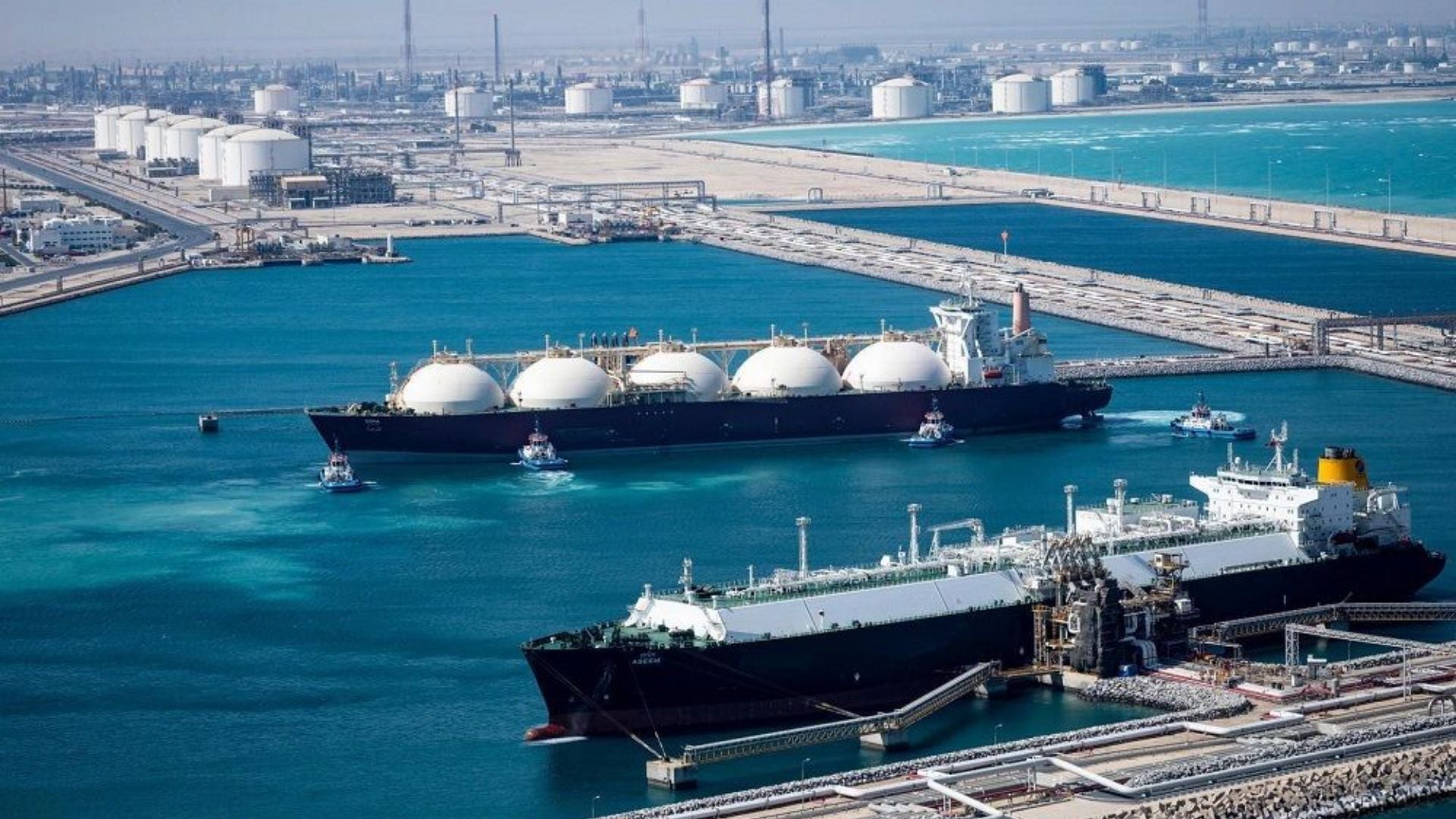
Europe's gas storage crisis deepens as Iran disrupts Qatar LNG supplies
 Diplomacy
Qatar's Foreign Ministry Receives Malta Ambassador's Credentials
 Gulf
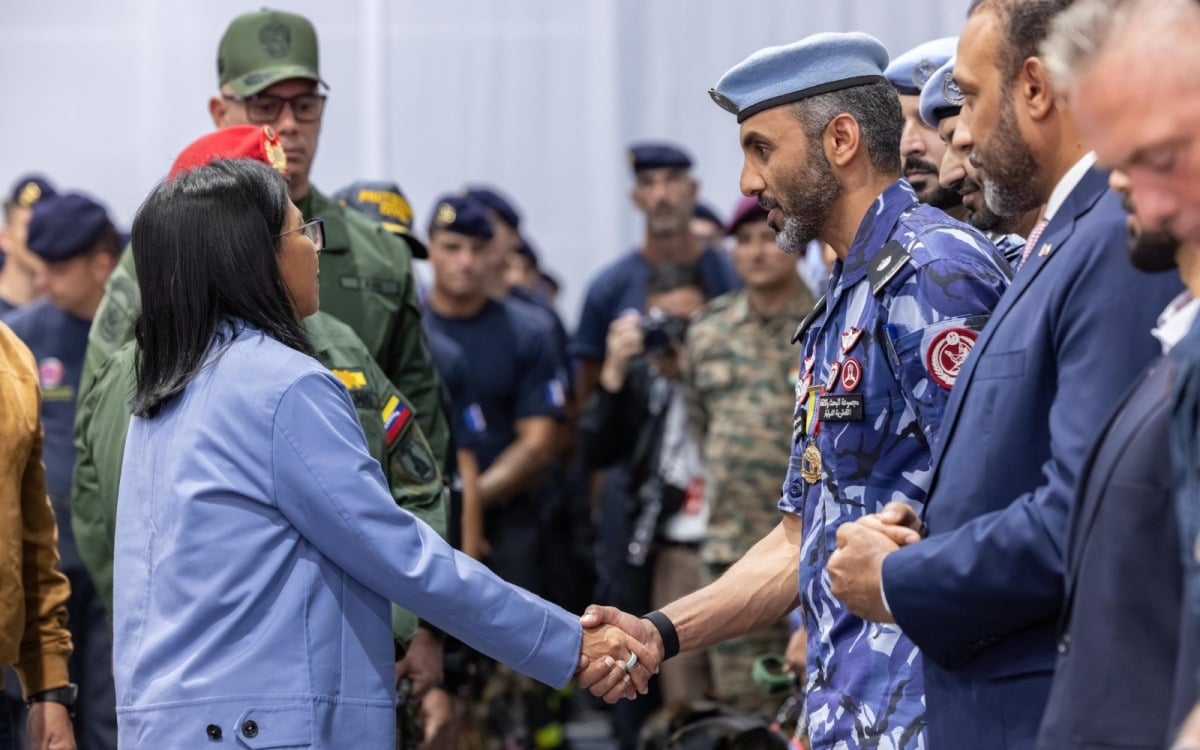
GulfWhy Qatar's Rescuers Were the Ones Getting a Medal in Caracas
 Gulf
GulfIceland's Foreign Minister Meets Qatar's Ambassador
 Gulf
Gulf