

Trump emphasizes U.S.-Israel coordination on Iran conflict resolution

Former U.S. President Donald Trump has stated that any decision to end the ongoing conflict with Iran will be made in coordination with Israeli Prime Minister Benjamin Netanyahu. This announcement underscores the close relationship between the United States and Israel, particularly regarding security and military strategies in the Middle East.
Trump's remarks are significant given the longstanding tensions between Iran and both the U.S. and Israel. Iran has been a focal point of U.S. foreign policy for decades, with concerns over its nuclear program and regional influence. During his administration, Trump adopted a hardline stance against Iran, withdrawing from the 2015 nuclear deal and imposing stringent sanctions. The mention of Netanyahu suggests that any future diplomatic efforts or military decisions involving Iran will heavily involve Israeli interests and perspectives.
Netanyahu has consistently criticized Iran, framing it as a major threat to Israel's national security. The collaboration between Trump and Netanyahu indicates a potential continuation of aggressive policies towards Iran, which may impact the broader geopolitical landscape in the region. This partnership could lead to escalated tensions, particularly if military action is considered or if diplomatic negotiations falter.
For Qatar and other Gulf states, the dynamics of U.S.-Israel relations with Iran are particularly relevant. Many Gulf countries have been navigating their own relationships with Iran, balancing economic interests and security concerns. Qatar, which has maintained a more neutral stance in regional conflicts, may need to reassess its diplomatic strategies in light of potential shifts in U.S. policy towards Iran. The Gulf Cooperation Council states have historically been wary of Iranian influence, and any coordinated efforts by the U.S. and Israel could further complicate the already intricate web of alliances and rivalries in the region.
As the situation evolves, Gulf states will closely monitor developments stemming from Trump's statements and the broader implications for regional stability. The potential for increased military engagement or renewed diplomatic efforts will undoubtedly shape the future of U.S.-Middle East relations and the balance of power in the Gulf.
النسخة العربية
ترامب يؤكد أن قرار إنهاء الحرب على إيران سيكون بالتنسيق مع رئيس الوزراء الإسرائيلي نتنياهو
في تصريح مثير للجدل، أكد الرئيس الأمريكي السابق دونالد ترامب أن أي قرار يتعلق بإنهاء الحرب على إيران سيكون بالتنسيق مع رئيس الوزراء الإسرائيلي بنيامين نتنياهو. يأتي هذا التصريح في وقت حساس تشهد فيه المنطقة توترات متزايدة بين إيران وإسرائيل، بالإضافة إلى الضغوط الدولية المتزايدة على إيران بشأن برنامجها النووي.
تاريخياً، كانت العلاقات بين الولايات المتحدة وإسرائيل قوية ومبنية على أسس من التعاون الاستراتيجي، خاصة في ما يتعلق بالملفات الأمنية في الشرق الأوسط. تعتبر إيران واحدة من أبرز القضايا التي تجمع بين البلدين، حيث ترى كل من واشنطن وتل أبيب في طهران تهديداً مشتركاً لأمن المنطقة. شهدت السنوات الأخيرة تصعيداً في الخطاب العدائي بين إيران وإسرائيل، مع تبادل التهديدات والاتهامات حول الأنشطة النووية والهجمات السيبرانية.
تأتي تصريحات ترامب في سياق محاولات دبلوماسية دولية لإعادة إيران إلى طاولة المفاوضات بشأن برنامجها النووي، بعد انسحاب الولايات المتحدة من الاتفاق النووي في عام 2018 خلال فترة رئاسته. أدى هذا الانسحاب إلى تصعيد التوترات وزيادة الضغوط الاقتصادية على إيران، مما زاد من تعقيد المشهد السياسي في المنطقة.
Source tweet
ترامب يؤكد أن قرار إنهاء الحرب على إيران سيكون بالتنسيق مع رئيس الوزراء الإسرائيلي نتنياهو.
More Stories
 BREAKING
Putin Meets Iranian Foreign Minister Abbas Araghchi in St Petersburg
 Palestine
Ceasefires in Iran, Lebanon shift focus to Gaza
 BREAKING
US-Iran Peace Talks Stall in 2026: Oil Hits 3-Week High on Hormuz Risk
 Gulf
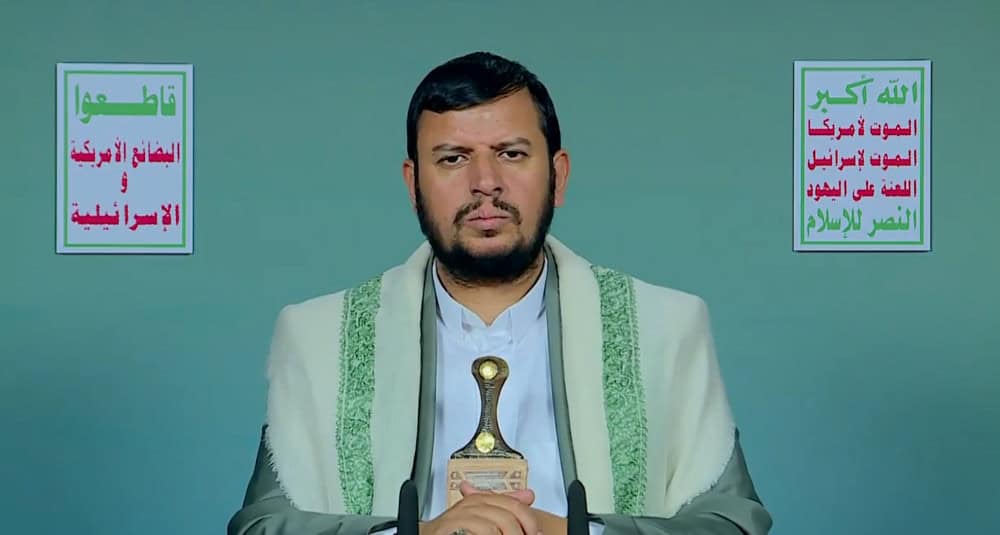
GulfHouthis Back Iran 2026: Red Sea Shipping Toll Threatens Gulf Trade
 Iran
Iran