
تركيا توسّع قبضتها على الصومال: النفط ومصايد الأسماك والقوة العسكرية
لم تحصل تركيا على عقد نفطي مُجزٍ في الصومال فحسب، بل تبني موقعًا اقتصاديًا وأمنيًا متكاملًا — يمتد من النفط إلى مصايد الأسماك والإنفاذ البحري، فوق أكبر قاعدة عسكرية لها خارج تركيا نفسها — سيبقى أثره أطول من عمر أي اتفاقية بمفردها. وأوضح دليل على ذلك يبدأ بالأرقام: فبموجب المادة 4.7 من اتفاقية عام 2024، يمكن لشركة TPAO التركية الحكومية أن تحتفظ بما يصل إلى 90% من النفط الخام والغاز الطبيعي المنتَج سنويًا لاسترداد تكاليفها الخاصة، قبل احتساب حصة الصومال. أما العقد النموذجي الخاص بالصومال، الذي نشرته هيئة النفط الصومالية كنموذج يُستخدم مع المتعاقدين الأجانب، فيحدد السقف نفسه عند 70%. ورقم الـ90% لا يمثل حصة من الأرباح، بل هو نسبة الإنتاج السنوي التي يمكن لشركة TPAO المطالبة بها أولًا لاسترداد تكاليفها، قبل تطبيق حصة الإتاوة أو تقاسم الأرباح على ما تبقى. وتُحدَّد إتاوة الصومال نفسها، وفق نص الاتفاقية ذاته، بنسبة "تصل إلى خمسة بالمئة... إن وُجدت" — وهي أحد عناصر الحزمة المالية، وليست إجمالي حصة الصومال، إذ لا تزال هناك نسبة غير معلنة لتقاسم "نفط الأرباح" تُطبَّق على ما يتبقى بعد استرداد التكاليف. كما لا تتحمل TPAO أي رسوم توقيع أو تطوير أو إنتاج أو رسوم سطحية أو إدارية تجاه الصومال. وبذلك فإن المتعاقد الذي يحصل على أولوية المطالبة بـ90% من الإنتاج، بدلًا من 70% التي يسمح بها المعيار الصومالي نفسه، يترك للصومال مجالًا أصغر بكثير للتقاسم بعد استرداد التكاليف.
وقد أثارت الاتفاقية انتقادات حادة من محلل لا مصلحة سياسية محلية له في الصومال. فقد وصف المعهد الملكي للخدمات المتحدة (RUSI)، وهو مركز أبحاث بريطاني في الشؤون الدفاعية والأمنية، الترتيب بأنه "غير متكافئ" في تحليل نُشر في مايو 2026، مشيرًا إلى أنه "مرّر عبر البرلمان الصومالي دون تدقيق"، وواضعًا إياه ضمن سياق تنافس أوسع على النفوذ في البحر الأحمر وخليج عدن.
ولم يأتِ اتفاق النفط بمعزل عن غيره. ففي فبراير 2024، وقّعت تركيا والصومال بشكل منفصل اتفاقية أمن بحري مدتها عشر سنوات، تتولى بموجبها القوات التركية تدريب وتجهيز البحرية الصومالية، وتخوض عنها معركة مكافحة الصيد غير المشروع — بينما تحصل تركيا، بحسب ما ورد عن المجلس الأطلسي (Atlantic Council)، على 30% من عائدات المنطقة الاقتصادية الخالصة الصومالية. وهذه الاتفاقية منفصلة عن عقد النفط، ونسبة الـ30% فيها تُطبَّق على قاعدة عائدات مختلفة عن سقف استرداد التكاليف؛ فالرقمان يقيسان أمرين مختلفين ولا ينبغي جمعهما. وما يُظهرانه معًا هو تراكم للمواقع لا جمع للأرقام: ففي غضون نحو عامين، ضمنت تركيا موقعًا تجاريًا رائدًا في قطاع النفط الصومالي الناشئ، وحصة من عائدات الاقتصاد البحري، والحضور العسكري والبحري اللازم لحماية الاثنين.
وسارت مصايد الأسماك على نمط مشابه، وإن كانت أصغر حجمًا. فشركة "سومتورك"، وهي شركة صيد تركية-صومالية مشتركة تأسست في ديسمبر 2025 وتديرها جهة مرتبطة بالجيش التركي، أبرمت امتياز صيد حصريًا في المنطقة الاقتصادية الخالصة بتاريخ 29 مارس 2026 — ما يمنح أنقرة موطئ قدم في الاقتصاد البحري الصومالي، إلى جانب اتفاقيتي النفط والأمن لا بدلًا منهما. ولم يتم التحقق بشكل مستقل، لأغراض هذا التقرير، من كامل نطاق صلاحيات "سومتورك" في إصدار تراخيص الصيد وتسجيل السفن ومراقبتها.
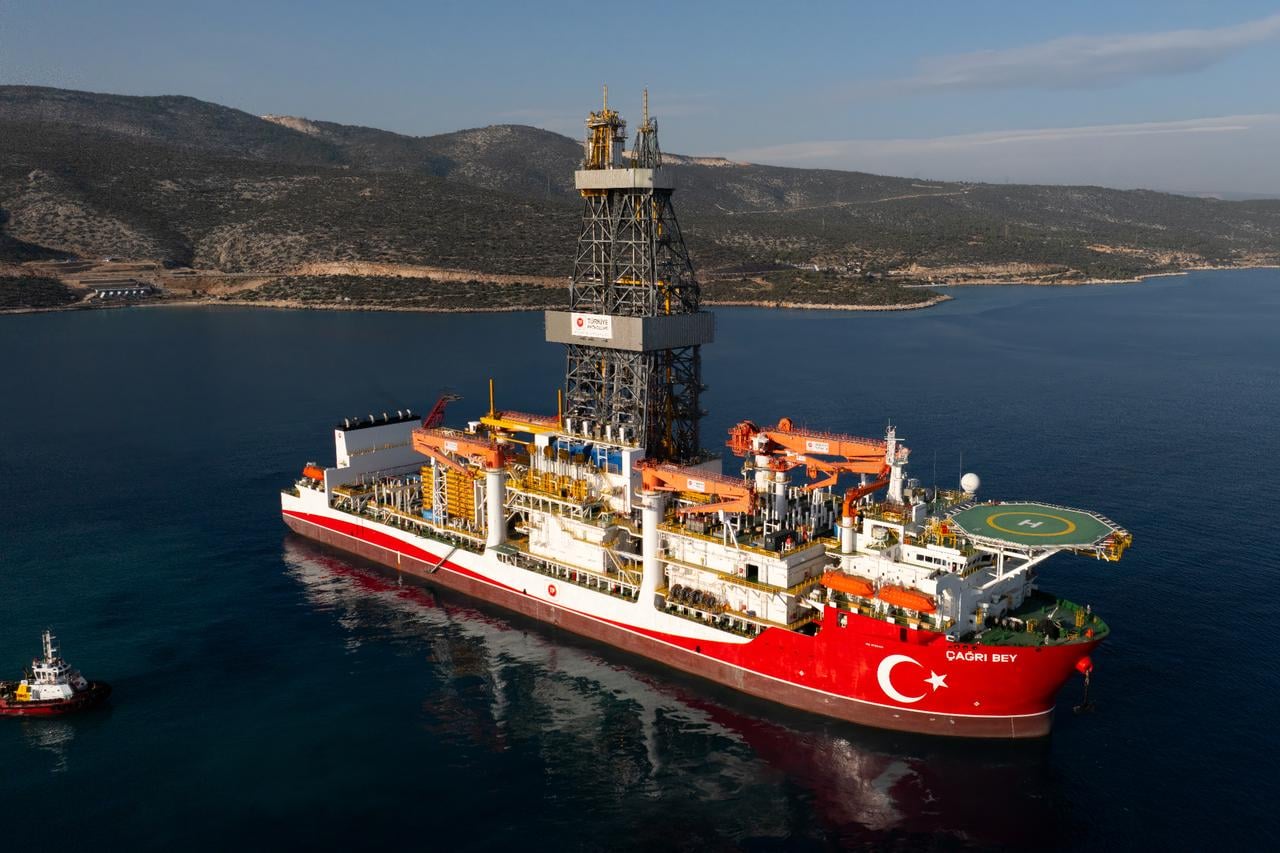
وهذا الجانب الأخير هو ما يميز هذه الصفقة عن أي اتفاقية موارد عادية. فلا تزال الفرقاطات التركية — TCG Göksu وGelibolu وBartın، إلى جانب سفن الدعم Korkut وAltan وSancar — ترافق سفينة الحفر Çağrı Bey أثناء عملها في بئر Curad-1 الصومالية، في إطار مهمة عسكرية أوسع مدّد البرلمان التركي تفويضها عامين إضافيين حتى يوليو 2028. وتدير أنقرة قاعدة TURKSOM، أكبر قواعدها العسكرية في الخارج، في مقديشو منذ عام 2017، وأكدت وزارة الدفاع التركية نشر قوات إضافية خصيصًا لحماية عملية الحفر. ومن النادر أن تكون قوة خارجية ناشطة في أفريقيا هي في آنٍ واحد الضامن الأمني الرئيسي لدولة هشة، وأكبر وجود عسكري أجنبي فيها، وشريكها في الحفر البحري، والمستفيد المباشر من اتفاقية النفط الناتجة عن ذلك. وهذا المزيج — تفاعل الطاقة والأمن والدبلوماسية داخل العلاقة نفسها — هو ما يشير إليه المحللون عند وصف كيفية بناء قوة متوسطة لنفوذها داخل دولة هشة، أكثر من شروط النفط وحدها.
لم تكن الدولة الصومالية التي وقّعت الاتفاقيتين في موقع قوي للتفاوض كندٍّ، وقد ازداد ضعف موقفها منذ ذلك الحين. ففي مارس 2024، مُدِّدت الولايات الرئاسية والبرلمانية بموجب تعديلات دستورية، في الشهر نفسه الذي سحبت فيه بونتلاند اعترافها بالحكومة الفيدرالية احتجاجًا — ما ترك الحكومة التي أبرمت اتفاقيتي النفط والأمن البحري تواجه على الفور تحديًا لشرعيتها من إحدى ولاياتها الفيدرالية. ولم يخفّ هذا الهشاشة بل تعمّق في السنوات التالية: فقد أرجأت تعديلات أخرى في مارس 2026 انتخابات ذلك العام إلى 2027، وهو ما وصفه الرئيس الأسبق شريف شيخ أحمد بأنه "تعديلات دستورية غير قانونية"، وأدى إلى اشتباكات دامية في مقديشو في يونيو 2026. واعترضت بونتلاند بشكل منفصل على اتفاقية النفط نفسها بعد أن أظهرت خريطة مرافقة للإعلان عن نشاط التنقيب التركي حدودًا متنازعًا عليها في منطقة مدج. كما ذكرت تقارير أن اتفاقية النفط نفسها وقّعتها وزارتان حكوميتان فقط، دون الكشف الكامل عنها للبرلمان — وهي الثغرة نفسها التي يشير إليها تحليل RUSI. ولا تثبت أي من هذه الحقائق بمفردها أن الصومال تعرّض للاستغلال. لكنها مجتمعة — شرعية دستورية متنازع عليها وقت التوقيع، وولاية فيدرالية في معارضة علنية، وأسئلة لم تُحسم حول الرقابة البرلمانية على الاتفاقية، وحكومة ازداد اعتمادها، لا تراجع، على القوة الأجنبية نفسها التي تعاقدت معها من أجل أمنها — تصف دولة ذات هامش محدود للتمسك بشروط أقرب إلى معيارها المنشور.
وقد طرح مسؤولون صوماليون أنفسهم نسخة من هذه الحجة. ففي تصريحات نقلتها وسائل إعلام صومالية، نُقل عن مستشار في وزارة البيئة والتغير المناخي الصومالية وصفه الاتفاقية بأنها "أسوأ اتفاقية توقّعها دولة ذات سيادة على الإطلاق"، قائلًا إن "الشريك الأجنبي يأخذ النفط، ويحدد التكاليف، ويدير العمليات، ويسوّي النزاعات على أرضه، بل ويطالب بتعويض إذا تغيرت القوانين الوطنية" — وهو تصريح لم يتم التحقق منه بشكل مستقل من مصدر أولي لأغراض هذا التقرير. كما زعم وزير سابق في بونتلاند بشكل منفصل أن تركيا تسعى للحصول على حصة أرباح تبلغ 90% صراحة — وهو ادعاء أقوى وأقل دقة من رقم استرداد التكاليف المؤكد، ويتعامل معه هذا التقرير باعتباره وصفًا خاصًا به، لا بندًا تعاقديًا.
وفي نظر المحللين الذين درسوا الاتفاقية، تبدو الصفقة نموذجًا لكيفية فقدان دولة مجزأة القدرة على إلزام شريك أقوى بقواعدها المنشورة. فقد دخلت تركيا إلى دولة صومالية منقسمة وتفاوضت على شروط تمنح شركتها النفطية الحكومية موقعًا قويًا استثنائيًا في قطاع النفط الصومالي الناشئ، وموطئ قدم في مصايد الأسماك، بينما عمّقت أنقرة في الوقت نفسه دورها العسكري والبحري — لتضع نفسها عمليًا في موقع الضامن الأمني والمنفّذ البحري والشريك النفطي وصاحب النفوذ في مصايد الأسماك في آنٍ واحد. ويشير معيار النفط الصومالي المنشور نفسه إلى أن حكومة أكثر استقرارًا من الناحية المؤسسية كانت ستملك هامشًا أكبر لمقاومة هذه الشروط.
English Version
Turkey's Expanding Grip on Somalia: Oil, Fisheries and Military Power
Turkey isn't just getting an unusually favorable oil contract in Somalia. It is building an integrated economic and security position — spanning hydrocarbons, fisheries and maritime enforcement, on top of what is already its largest military base outside Turkey itself — that will outlast any single agreement. The clearest evidence starts with the numbers: under Article 4.7 of the 2024 agreement, Turkey's state operator, TPAO, can retain up to 90% of crude oil and natural gas produced each year to recover its own costs before Somalia's share is calculated. Somalia's own model production-sharing agreement, published by its Petroleum Authority as the template for foreign contractors, fixes that same ceiling at 70%. The 90% figure is not a profit split — it is the share of each year's production TPAO can claim first to recover its costs, before royalty or profit-sharing applies to what remains. Somalia's own royalty, separately, is capped, in the agreement's own words, at "up to five percent... if any" — one component of the fiscal package, not Somalia's total take, since an undisclosed profit-oil split still applies to whatever remains after cost recovery. TPAO also owes no signature, development, production, surface or administrative fees. A contractor with first claim on 90% of output, instead of the 70% Somalia's own standard allows, is left with a far smaller pool to share once costs are recovered.
The deal has drawn sharp criticism from an analyst with no domestic political stake in Somalia's outcome. The Royal United Services Institute, a UK defence and security think tank, called the arrangement "lopsided" in a May 2026 analysis, noting it was "rushed through Somalia's parliament without scrutiny" and situating it inside a wider contest for influence over the Red Sea and Gulf of Aden.
The oil deal did not arrive in isolation. In February 2024, Turkey and Somalia separately signed a ten-year maritime-security agreement under which Turkish forces train and equip the Somali navy and take on Somalia's fight against illegal fishing — while Turkey reportedly receives 30% of revenue generated from Somalia's exclusive economic zone, according to the Atlantic Council. That agreement is distinct from the oil contract, and its 30% figure applies to a different revenue base than the cost-recovery ceiling; the two figures measure different things and should not be added together. What they show together is accumulation, not addition: within roughly two years, Turkey secured a leading commercial position in Somalia's prospective oil sector, a revenue share in its maritime economy, and the naval and military presence to protect both.
المزيد من القصص
 دبلوماسية
تركيا ترفض اتهامات نتنياهو لأردوغان في الأمم المتحدة
 إيران
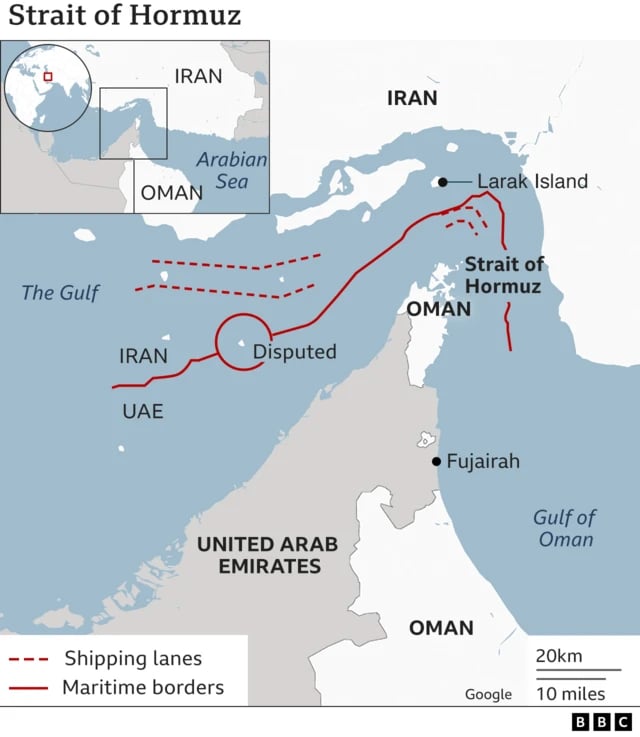
إيرانالولايات المتحدة وإيران تستكشفان اتفاقاً حول مضيق هرمز وسط تراجع أسعار النفط
 أفريقيا
أزمة إنسانية حادة في الصومال: ملايين يواجهون الجوع وسوء التغذية
 سياسة
سياسةالحوثيون يهددون بضربات على مصر وتركيا وباكستان وسط تصعيد التدخل في اليمن
 فلسطين