

الإمارات تدرس اتخاذ إجراء عسكري لإعادة فتح مضيق هرمز

الإمارات العربية المتحدة تدرس دعم الولايات المتحدة وحلفائها في إعادة فتح مضيق هرمز بالقوة، وتسعى للحصول على قرار من الأمم المتحدة لدعم هذا التحرك، مما قد يجعلها أول دولة خليجية تشارك في هذا الصراع.
يأتي هذا التطور في ظل التوترات المتزايدة في المنطقة، حيث يعتبر مضيق هرمز أحد أهم الممرات المائية في العالم لنقل النفط، إذ يمر من خلاله نحو 20% من إمدادات النفط العالمية. إغلاق المضيق أو تعطيل حركة الملاحة فيه يمكن أن يؤدي إلى اضطرابات كبيرة في أسواق الطاقة العالمية، مما يبرز أهمية هذا التحرك الإماراتي في سياق الحفاظ على استقرار الإمدادات النفطية.
تدرس الإمارات أدواراً مختلفة في هذه العملية، بما في ذلك إزالة الألغام البحرية، وقد اقترحت أن تتولى الولايات المتحدة السيطرة على المواقع الرئيسية في المضيق. يأتي هذا التحرك في وقت تسعى فيه الإمارات إلى تعزيز دورها كلاعب رئيسي في السياسة الإقليمية والدولية، خاصة في ظل التحديات الأمنية التي تواجهها المنطقة.
من منظور قطري، قد يكون لهذا التحرك الإماراتي تأثيرات متعددة على العلاقات الإقليمية. تراقب قطر، التي تعتمد أيضاً على مضيق هرمز لتصدير الغاز الطبيعي المسال، الوضع عن كثب. أي تصعيد في المنطقة قد يؤثر على الاقتصاد القطري وعلى استقرار الإمدادات العالمية للطاقة. لذلك، قد تسعى قطر إلى تعزيز الجهود الدبلوماسية لتهدئة التوترات وضمان استمرار حركة الملاحة بحرية وأمان في المضيق.
تبقى الأوضاع في مضيق هرمز حساسة ومعقدة، وتتطلب توازناً دقيقاً بين العمل العسكري والدبلوماسي لضمان استقرار المنطقة وحماية المصالح الاقتصادية الحيوية للدول المعنية.
English Version
UAE Considers Military Action to Reopen Strait of Hormuz
The United Arab Emirates (UAE) is contemplating military action to assist the United States and its allies in reopening the strategically vital Strait of Hormuz, a move that could significantly alter the dynamics of regional diplomacy and security in the Gulf. The Strait of Hormuz is a crucial maritime chokepoint through which approximately 20% of the world's oil passes, making it a focal point for international trade and energy security. Recent tensions in the region, particularly involving Iran, have raised concerns about the safety of shipping routes and the potential for conflict. The UAE's willingness to engage militarily marks a notable shift in its foreign policy, as it seeks to assert its role in maintaining stability in the Gulf. By advocating for a United Nations resolution to support military intervention, the UAE is positioning itself as a proactive player in regional security matters, potentially setting a precedent for other Gulf states.
Reports indicate that the UAE is considering various roles in the proposed military action, including mine-clearing operations, which would be essential to ensure safe passage for commercial vessels. The UAE's readiness to support U.S. military efforts could signal a new level of cooperation between Gulf states and Western powers, particularly in the face of perceived threats from Iran. The UAE's strategic location and military capabilities make it a significant ally in any potential conflict aimed at securing the Strait of Hormuz.
This development comes amid heightened tensions in the region, where incidents involving Iranian forces and commercial shipping have raised alarms among oil-exporting nations. The UAE's decision to potentially engage militarily reflects a broader concern among Gulf states regarding their security and the need to safeguard vital trade routes. The implications of this move could extend beyond immediate military actions, influencing diplomatic relations and security strategies among Gulf Cooperation Council (GCC) members and their allies.
المصدر
🇦🇪 الإمارات تدرس دعم الولايات المتحدة لإعادة فتح مضيق هرمز بالقوة، مما قد يؤثر على الدبلوماسية الإقليمية. #الخليج
المزيد من القصص
 سياسة
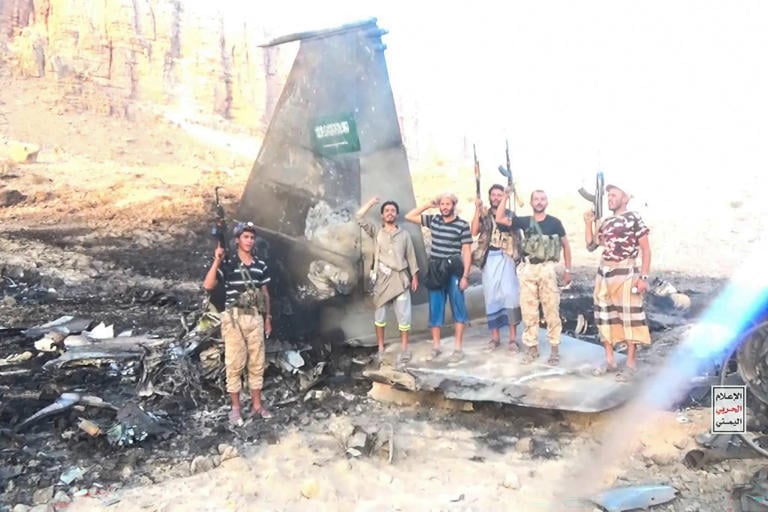
سياسةاليمن تواجه اتهامات بإلحاق الضرر بطائرة عسكرية باكستانية في السعودية
 إيران
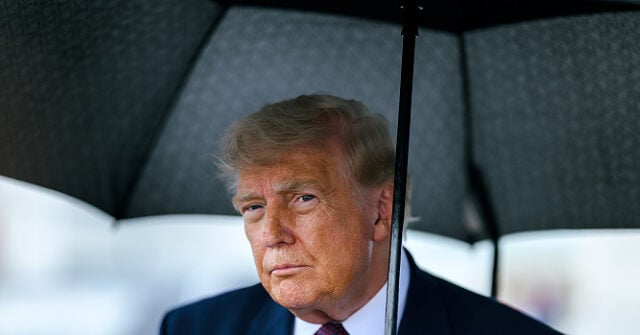
إيرانترامب يؤشر على احتمالية شن ضربات عسكرية ضد إيران وسط توترات إقليمية
 سياسة
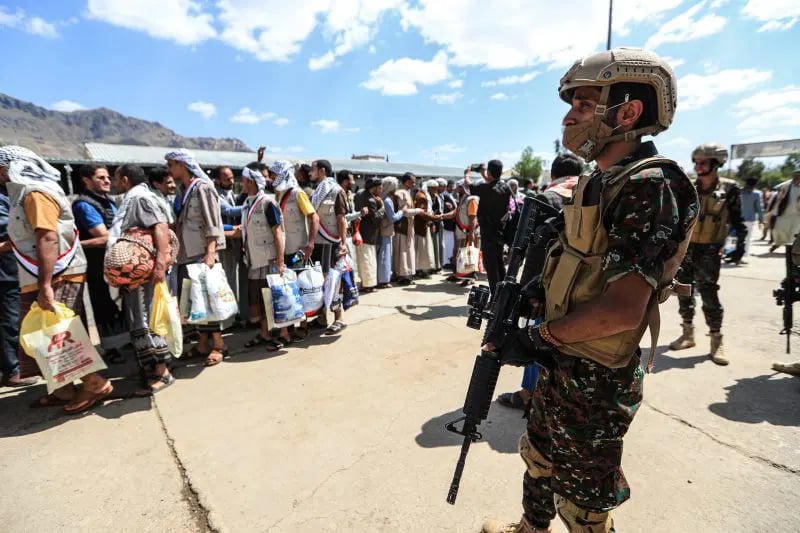
سياسة1400 لاجئ يمني يفرون إلى جيبوتي وسط التقدم العسكري الحوثي
 فلسطين
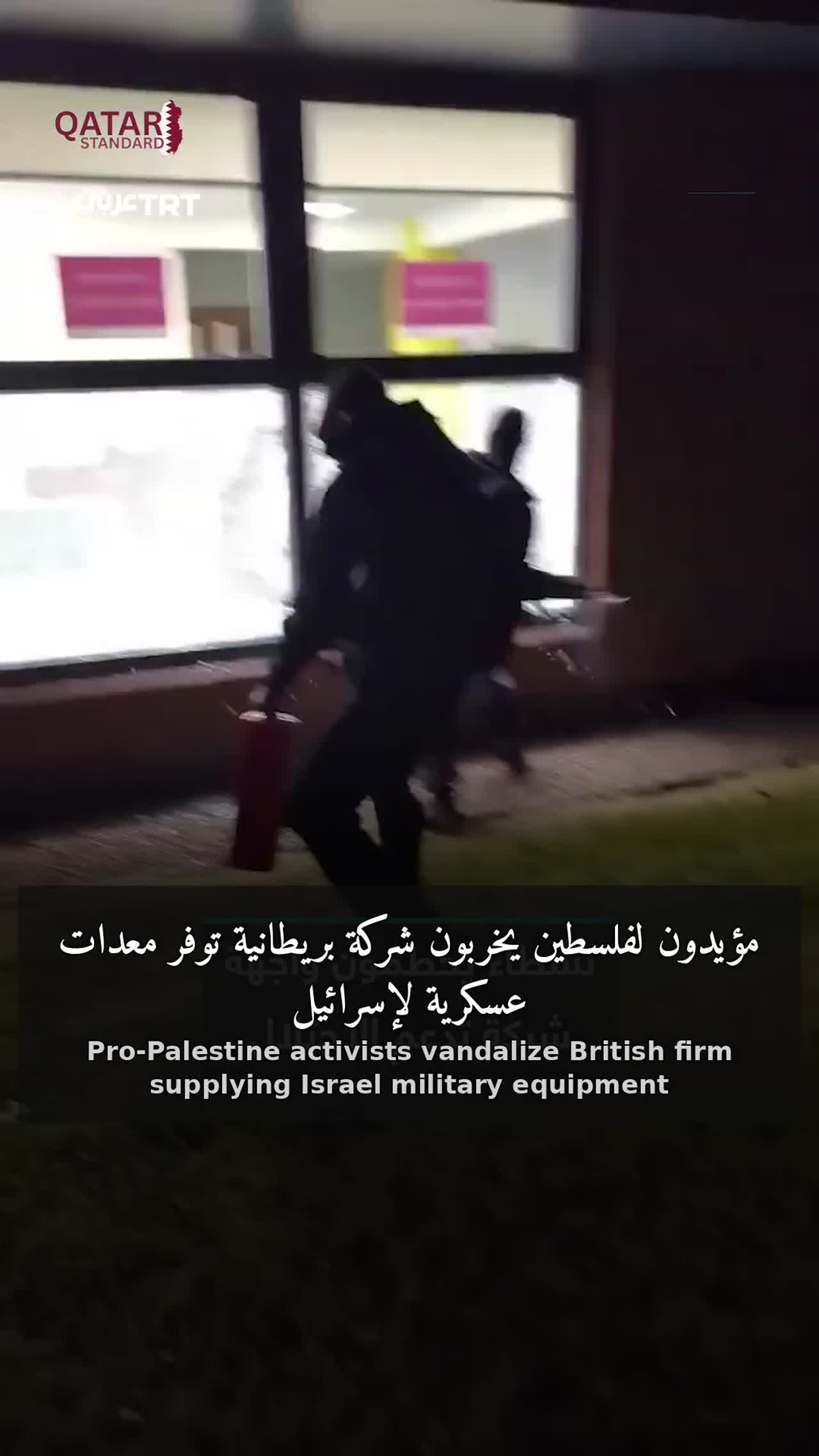
نشطاء داعمون لفلسطين يحتجون في بريستول على شركة «DSV» اللوجستية لنقلها معدات عسكرية إلى شركة «إلبيت سيستمز» الإسرائيلية،
 أفريقيا