

US-Iran Deal Opens Strait of Hormuz, But Oil and Gas Recovery Takes Months
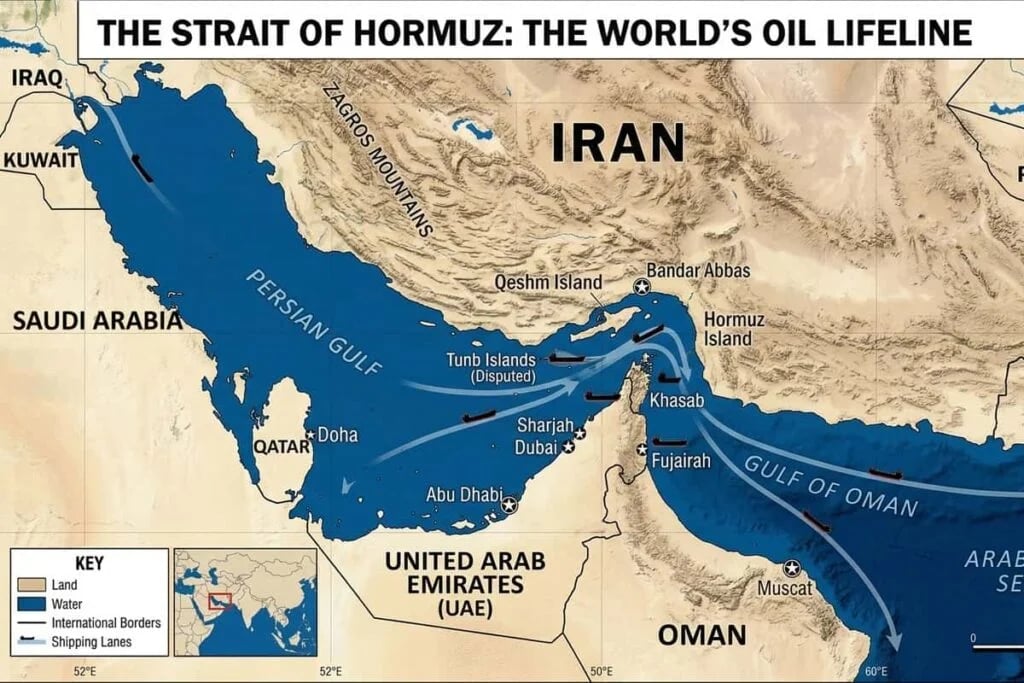
A ceasefire agreement between the United States and Iran has reopened the Strait of Hormuz, easing the immediate threat to the world's most important oil and gas chokepoint, but energy analysts warn that restoring full Middle East output will take months and in some cases years. Crude and gas prices fell sharply once the deal was announced, reversing part of the war premium that had built up during the confrontation, yet traders cautioned that lower prices do not mean supply has returned to normal.
The strait, the narrow waterway between Iran and Oman, carries roughly a fifth of the world's oil and a large share of seaborne liquefied natural gas. Even with shipping lanes reopening, analysts say tankers, insurers and producers will move cautiously. Vessels diverted or held back during the fighting need time to reposition, war-risk insurance premiums remain elevated, and fields, terminals and pipelines that were shut in or damaged cannot be brought back to full capacity overnight. Repairs to infrastructure, restart procedures and the rebuilding of inventories all add to the lag between a political settlement and physical barrels reaching market.
For Qatar the stakes are direct: nearly all of its LNG exports, which make it one of the world's largest gas suppliers, transit Hormuz, leaving Doha among the most exposed economies to any disruption of the waterway. A durable reopening removes an immediate risk to those shipments, but the warning from the industry is that the price relief seen this week is running well ahead of the slower work of actually restoring regional production.
النسخة العربية
اتفاق أمريكي إيراني يفتح مضيق هرمز لكن التعافي الكامل سيستغرق أشهراً
أعاد اتفاق لوقف الحرب بين الولايات المتحدة وإيران فتح مضيق هرمز، ما خفّف التهديد المباشر لأهم ممر بحري للنفط والغاز في العالم، لكن محللي الطاقة يحذّرون من أن استعادة الإنتاج الكامل في الشرق الأوسط ستستغرق شهوراً وربما سنوات في بعض الحالات. وتراجعت أسعار النفط الخام والغاز بشكل حاد فور الإعلان عن الاتفاق، في تبدّد جزئي لعلاوة الحرب التي تراكمت خلال المواجهة، غير أن المتعاملين حذّروا من أن انخفاض الأسعار لا يعني عودة الإمدادات إلى طبيعتها.
ويمر عبر المضيق، وهو الممر الضيق بين إيران وعُمان، نحو خُمس النفط في العالم وحصة كبيرة من الغاز الطبيعي المسال المنقول بحراً. وحتى مع إعادة فتح ممرات الملاحة، يقول المحللون إن الناقلات وشركات التأمين والمنتجين سيتحركون بحذر. فالسفن التي حُوّلت مساراتها أو احتُجزت خلال القتال تحتاج وقتاً لإعادة الانتشار، وما زالت أقساط تأمين مخاطر الحرب مرتفعة، فيما لا يمكن إعادة الحقول والمحطات وخطوط الأنابيب التي أُغلقت أو تضررت إلى طاقتها الكاملة بين ليلة وضحاها. وتضيف أعمال إصلاح البنية التحتية وإجراءات إعادة التشغيل وإعادة بناء المخزونات مزيداً من التأخير بين التسوية السياسية ووصول البراميل فعلياً إلى الأسواق.
وبالنسبة لقطر فإن المخاطر مباشرة؛ إذ تمر عبر هرمز كل صادراتها تقريباً من الغاز الطبيعي المسال التي تجعلها من أكبر مورّدي الغاز في العالم، ما يضع الدوحة بين أكثر الاقتصادات تأثراً بأي تعطّل للممر المائي. وتزيل إعادة الفتح المستقرة خطراً مباشراً عن تلك الشحنات، لكن تحذير القطاع هو أن انفراج الأسعار هذا الأسبوع يسبق بكثير العمل الأبطأ المتمثل في استعادة الإنتاج الإقليمي فعلياً.
Source tweet
A US-Iran ceasefire agreement reopens the Strait of Hormuz, but industry experts warn full recovery of Middle East oil and gas output will take months or years despite immediate price falls.
More Stories
 Iran
IranIran expands proxy network to counter US military presence in Gulf
 Diplomacy
Erdoğan Meets US Envoy Barrack and Rep. Issa in Ankara
 Africa
US Military Cooperation with Ethiopia Driven by Egypt-China Rapprochement
 Gulf
GulfQatar LNG Hit With 29 Cargo Cancellations as US Replaces Gulf Energy Supply
 Iran
Iran