

Gulf oil producers explore Strait of Hormuz alternatives as US-Iran conflict escalates
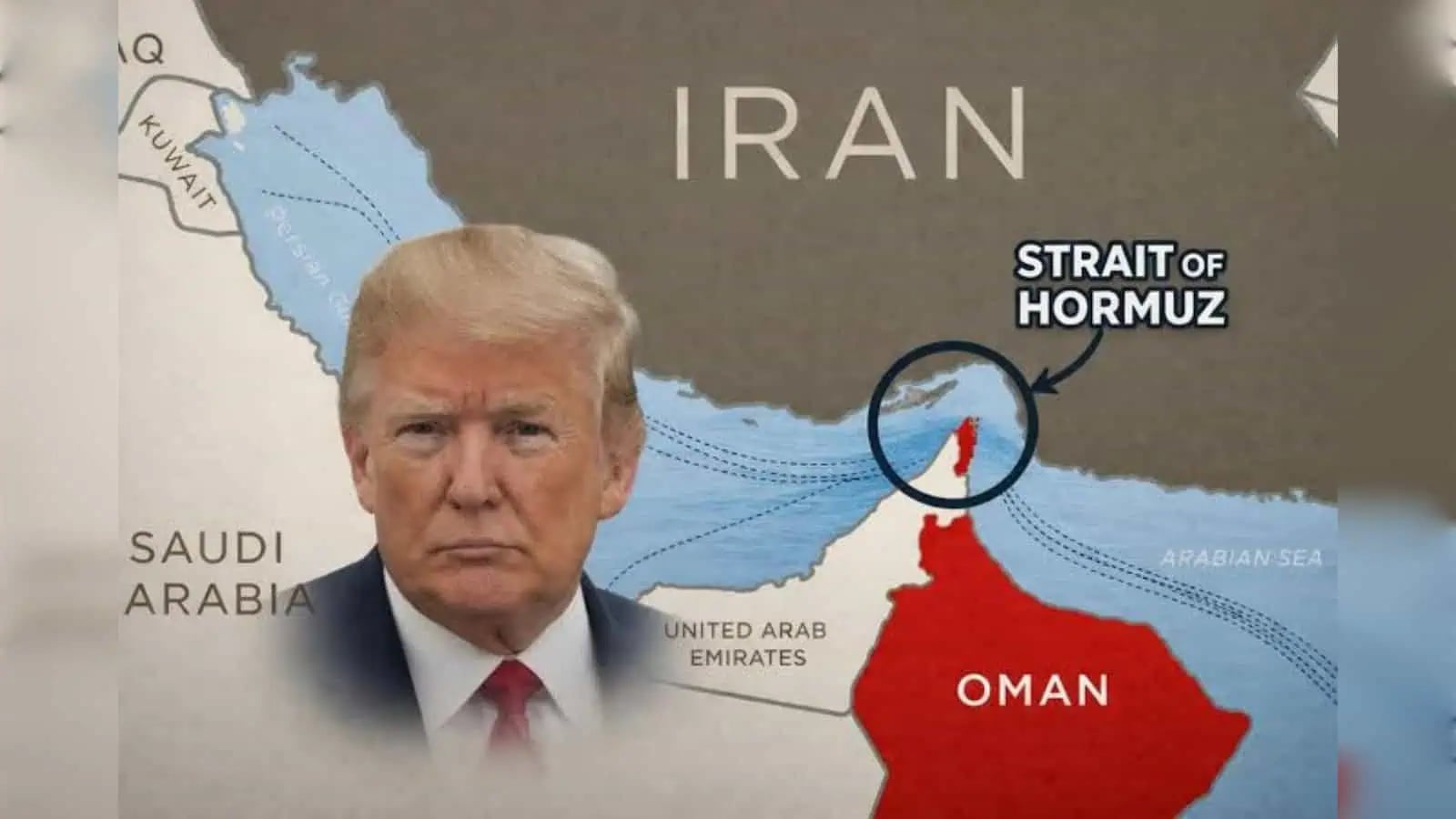
Gulf oil and gas producers are re-examining export routes that avoid the Strait of Hormuz as the confrontation between Washington and Tehran escalates, returning attention to bypass infrastructure built for precisely this scenario. Roughly 20 million barrels per day of crude, condensate and refined products transit the waterway, equivalent to about a fifth of global petroleum liquids consumption, alongside almost all of Qatar's liquefied natural gas exports. At its narrowest the strait is about 33 kilometres wide, with shipping lanes only a few kilometres across in each direction, running along Iran's southern coast.
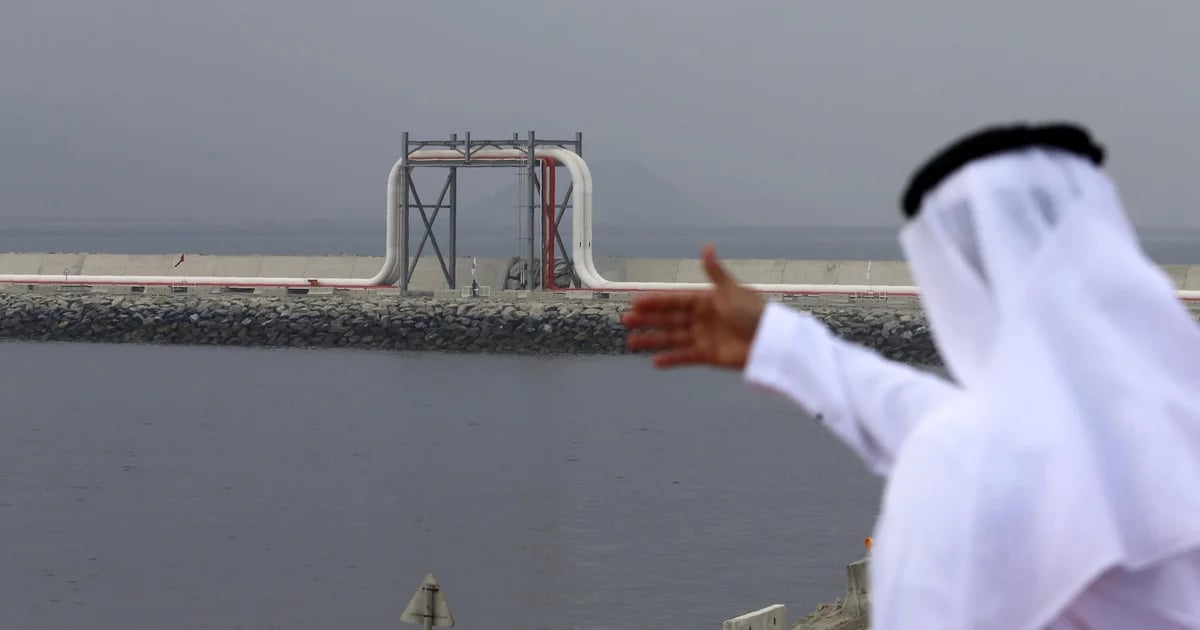
The alternatives are limited. Saudi Arabia's East-West pipeline, known as Petroline, can carry roughly 5 million barrels per day from Abqaiq in the Eastern Province to Yanbu on the Red Sea. The United Arab Emirates operates the Habshan-Fujairah line, with capacity of about 1.5 million barrels per day, delivering crude directly to the Gulf of Oman. Together they cover under a third of normal Hormuz volumes. Kuwait, Bahrain, Iraq's southern Basra terminals and Qatar have no comparable overland outlet, and there is no pipeline substitute for LNG, which must move by tanker.
Qatar is the most exposed producer. It ships around 77 million tonnes of LNG a year, every cargo passing through the strait, and is expanding North Field output toward 142 million tonnes annually by 2030. Doha has repeatedly warned that a closure would hit global energy supply within days.
The risk was demonstrated in June 2025. Israel struck Iranian targets on 13 June, US aircraft hit the Fordow, Natanz and Isfahan nuclear sites on 22 June, and Iranian lawmakers backed closing the strait, a decision reserved for the Supreme National Security Council. On 23 June Iran fired missiles at Al Udeid Air Base near Doha. Qatar closed its airspace, intercepted the salvo, called the attack a violation of its sovereignty, and then mediated the ceasefire that ended the 12-day war. War-risk insurance premiums and tanker rates in the Gulf rose sharply during the episode before easing.
النسخة العربية
منتجو النفط الخليجيون يبحثون عن بدائل لمضيق هرمز وسط تصعيد الصراع الأمريكي الإيراني
يعيد منتجو النفط والغاز في الخليج دراسة مسارات التصدير التي تتجنب مضيق هرمز مع تصاعد المواجهة بين واشنطن وطهران، وسط عودة الاهتمام بالبنية التحتية البديلة التي أنشئت لمثل هذا السيناريو تحديداً. ويعبر المضيق نحو 20 مليون برميل يومياً من النفط الخام والمكثفات والمنتجات المكررة، أي ما يعادل خُمس الاستهلاك العالمي من السوائل البترولية، إلى جانب معظم صادرات قطر من الغاز الطبيعي المسال. ويبلغ عرض المضيق في أضيق نقاطه نحو 33 كيلومتراً، ولا يتجاوز عرض ممري الملاحة فيه بضعة كيلومترات في كل اتجاه، بمحاذاة الساحل الإيراني الجنوبي.
وتبقى البدائل محدودة. فخط الأنابيب السعودي الشرقي الغربي المعروف بـ«بترولاين» ينقل نحو 5 ملايين برميل يومياً من بقيق في المنطقة الشرقية إلى ينبع على البحر الأحمر، فيما تشغّل الإمارات خط حبشان الفجيرة بطاقة تقارب 1.5 مليون برميل يومياً إلى بحر عُمان. ولا يغطي الخطان مجتمعين سوى أقل من ثلث التدفقات المعتادة عبر هرمز. أما الكويت والبحرين وموانئ البصرة الجنوبية في العراق وقطر فلا تملك منفذاً برياً مماثلاً، ولا يوجد بديل أنبوبي للغاز المسال الذي يُنقل بالناقلات حصراً.
وتُعد قطر الأكثر انكشافاً، إذ تصدّر نحو 77 مليون طن من الغاز المسال سنوياً تمر جميعها عبر المضيق، وتعمل على توسعة حقل الشمال لبلوغ 142 مليون طن سنوياً بحلول 2030. وحذّرت الدوحة مراراً من أن إغلاق المضيق سيضرب إمدادات الطاقة العالمية خلال أيام.
Source tweet
As US-Iran tensions escalate, Gulf oil producers are actively seeking alternatives to the Strait of Hormuz, which handles 20% of global oil trade. The move reflects growing concerns over regional security.
More Stories
 Iran
IranUS, Iran explore Hormuz strait deal as oil prices retreat from recent gains
 Diplomacy
Qatari Adviser Calls for Diplomacy to Prevent 'Total Regional War' Over Strait of Hormuz
 Iran
IranOman meeting aims to convince Trump regional powers control Strait of Hormuz
 Iran
IranHouthis seize Red Sea strait as coordinated drone attacks target Saudi pipeline
 Economy