

مصادر أميركية: مخاوف من تجسس على عملية صنع القرار بشأن الشرق الأوسط
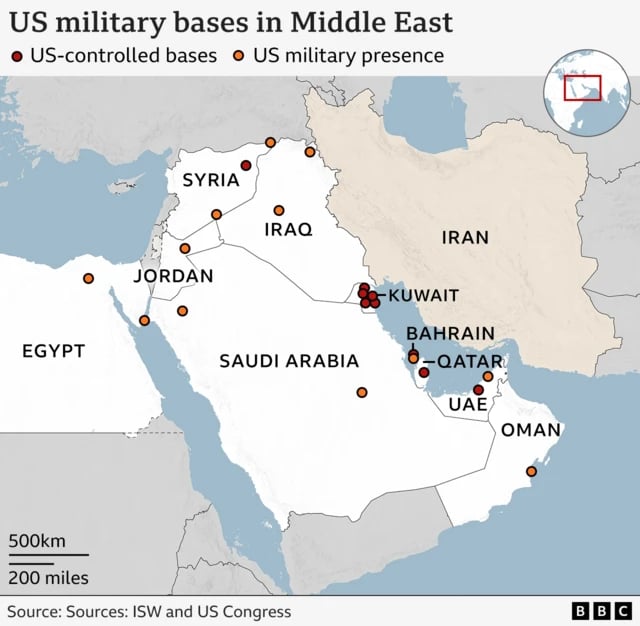
تُعبّر مصادر أميركية عن مخاوفها من تجسس على عملية صنع القرار بشأن الشرق الأوسط، مما يُظهر القلق المتزايد حول أمان المعلومات الحساسة في المنطقة.
تأتي هذه المخاوف في سياق التوترات المتزايدة في الشرق الأوسط، حيث تشهد المنطقة تحولات كبيرة في العلاقات الدولية والصراعات الإقليمية. يُعتبر الشرق الأوسط منطقة استراتيجية هامة، حيث تتواجد دول رئيسية في السياسة العالمية، وتُشكل مصدراً هاماً للطاقة والثروة. في هذا السياق، تُعتبر عملية صنع القرار بشأن المنطقة حساسة للغاية، حيث يمكن أن تؤثر على توازن القوى وتؤدي إلى تغييرات كبيرة في المنطقة.
وفقاً للمصادر الأميركية، تُشكل عمليات التجسس على عملية صنع القرار تهديداً خطيراً لأمن المعلومات الحساسة، حيث يمكن أن تُستخدم هذه المعلومات لتحقيق أهداف سياسية أو عسكرية. يُشير الخبر إلى أن هناك مخاوف من أن يتمكن أعداء الولايات المتحدة من الحصول على معلومات حساسة حول عملية صنع القرار، مما قد يؤدي إلى تغييرات في السياسة الأميركية تجاه المنطقة. يُضيف الخبر أن هناك مخاوف من أن يتمكن الصين من الحصول على تقنيات متقدمة من السعودية إذا تم بيع طائرات إف-35 لها، مما قد يؤدي إلى تغييرات في توازن القوى في المنطقة.
في سياق قطري، تُشكل هذه المخاوف تهديداً لأمن المنطقة، حيث يمكن أن تؤثر على استقرار الدول الخليجية وتؤدي إلى تغييرات في العلاقات الدولية. يُعتبر الشرق الأوسط منطقة استراتيجية هامة للقطر، حيث تُشكل مصدراً هاماً للطاقة والثروة، وتُعتبر علاقات قطر مع الدول الإقليمية مهمة للغاية. في هذا السياق، يُعتبر من المهم أن تُتخذ الإجراءات اللازمة لحماية المعلومات الحساسة وضمان أمن المنطقة.
English Version
US Officials Express Concerns Over Espionage on Middle East Decision Making
US officials have expressed concerns over espionage targeting the Middle East decision-making process, highlighting the region's sensitive geopolitical landscape and the potential risks of foreign interference. The concerns underscore the complex web of alliances and rivalries in the Middle East, where multiple powers, including the US, are vying for influence. The region's strategic importance, with its vast oil reserves and critical trade routes, makes it a prime target for espionage and other forms of covert activity.
The context of these concerns is rooted in the region's tumultuous history of conflict and competition, where various actors have sought to shape the decision-making process to their advantage. The US, in particular, has significant interests in the Middle East, with a strong military presence and a network of alliances with key regional players. However, the region is also home to other major powers, including Iran, Russia, and China, which have their own agendas and interests. The presence of these competing powers creates an environment in which espionage and other forms of covert activity can thrive, posing a significant challenge to regional stability and security.
The US concerns over espionage in the Middle East decision-making process are likely driven by a range of factors, including the region's history of surprise attacks and the potential for miscalculation. The US has a significant stake in maintaining stability in the region, given its importance to global energy markets and trade. However, the presence of other powers, including Iran and Russia, creates an environment in which the US must be constantly vigilant to protect its interests. The use of espionage and other forms of covert activity can provide a means for these powers to shape the decision-making process, potentially undermining US interests and regional stability.
المصدر
مصادر أميركية: مخاوف من تجسس على عملية صنع القرار بشأن الشرق الأوسط
المزيد من القصص
 خليج
خليجتحليل: لماذا توسّع قطر قاعدة الخدمة الوطنية الآن؟ والحسابات الإقليمية وراء القرار
 سياسة
سياسةتستهدف العملية البنى التحتية العسكرية وتصفية المسلحين جنوبي لبنان
 سياسة
سياسةمصادر: سفير إسرائيل يؤكد لواشنطن استمرار الحرب لنزع سلاح حزب الله خلال المفاوضات
 خليج
خليجاكتشاف جديد للموارد الهيدروكربونية لشركة قطر للطاقة قبالة سواحل الكونغو، يعزز دور قطر في تأمين مصادر الطاقة الدولية
 سياسة
سياسة