

Analysis of Hezbollah's Tactical Military Operations and Field Intelligence

Hezbollah's tactical military operations and field intelligence capabilities have come under scrutiny as analysts examine the group's recent activities and their implications for regional stability. A recent analysis highlights the dual role of field intelligence and execution in shaping Hezbollah's military strategies, showcasing the group's ability to adapt and respond to evolving threats.
The significance of Hezbollah's military operations extends beyond immediate engagements, reflecting broader dynamics of power in the Middle East. The group's sophisticated approach to warfare, which integrates intelligence gathering with operational execution, has allowed it to maintain a strategic advantage against various adversaries. This capability is particularly crucial in a region marked by shifting alliances and ongoing conflicts, where the ability to anticipate and counter threats can determine the outcome of engagements.
Hezbollah's reliance on field intelligence is evident in its operational planning and execution. The group has developed a network of informants and surveillance techniques that provide real-time information on enemy movements and intentions. This intelligence informs tactical decisions and enhances the effectiveness of military operations. Analysts suggest that this integration of intelligence and action has enabled Hezbollah to conduct operations with a high degree of precision, often catching opponents off guard.
The analysis also points to the importance of technology in Hezbollah's operations. The group has increasingly utilized advanced communication tools and drones to gather intelligence and coordinate activities. This technological edge allows Hezbollah to operate more effectively in complex environments, where traditional military tactics may fall short. The use of drones, in particular, has transformed the battlefield, providing enhanced reconnaissance capabilities and the ability to strike targets with greater accuracy.
Hezbollah's military prowess has implications for the Gulf region, where the balance of power is continually being tested. The group's operations serve as a reminder of the potential for escalation in conflicts involving state and non-state actors. As regional tensions rise, particularly in the context of ongoing disputes involving Iran and its allies, the capabilities demonstrated by Hezbollah could embolden similar groups across the Gulf. This potential for increased military engagement poses a challenge for Gulf states, which must navigate a complex landscape of alliances and rivalries.
The analysis of Hezbollah's tactical military operations underscores the need for Gulf states to reassess their security strategies in light of evolving threats. As non-state actors like Hezbollah continue to enhance their military capabilities, traditional state-centric security frameworks may require adaptation to address the multifaceted nature of contemporary conflicts. The Gulf region, with its strategic importance and vulnerability to external influences, must remain vigilant in monitoring developments related to Hezbollah and other similar groups.
Hezbollah's integration of field intelligence and military execution exemplifies a sophisticated approach to modern warfare that poses significant challenges for regional stability. Gulf states must remain aware of these dynamics as they seek to ensure their security in an increasingly complex geopolitical landscape. The ongoing evolution of Hezbollah's capabilities serves as a critical reminder of the need for proactive measures to address potential threats posed by non-state actors in the region.
النسخة العربية
بين استخبارات الميدان والتنفيذ
في خطوة تعكس تعقيد المشهد العسكري في المنطقة، أظهرت عمليات حزب الله الأخيرة مستوى متقدماً من التنسيق بين الاستخبارات الميدانية والتنفيذ العسكري، مما يعزز من قدرات الحزب في تنفيذ عمليات نوعية. تُظهر هذه العمليات براعة في جمع المعلومات الاستخباراتية وتحليلها، مما يتيح لحزب الله تنفيذ هجمات دقيقة وفعالة ضد أهدافه.
تأتي هذه التطورات في سياق إقليمي متوتر، حيث تلعب الجماعات المسلحة دوراً محورياً في الصراعات الدائرة. حزب الله، الذي يُعتبر أحد أبرز اللاعبين في هذا المشهد، يعتمد على مزيج من التكتيكات العسكرية التقليدية والحديثة، مدعوماً بشبكة استخباراتية قوية. يُمكّنه هذا النهج من الحفاظ على قدرته على الردع والتأثير في مجريات الأحداث، سواء في لبنان أو في مناطق أخرى من الشرق الأوسط.
من خلال تحليل العمليات الأخيرة، يتضح أن حزب الله يعتمد بشكل كبير على استخبارات الميدان لتحديد الأهداف وجمع المعلومات اللازمة قبل تنفيذ أي عملية. لا يقتصر هذا الأسلوب على جمع المعلومات فحسب، بل يشمل أيضاً تحليلها بشكل دقيق لتحديد الوقت والمكان المناسبين للهجوم، مما يزيد من فعالية العمليات ويقلل من الخسائر. يُظهر هذا النهج قدرة الحزب على التكيف مع التحديات المتغيرة في ساحة المعركة، والاستفادة من التكنولوجيا الحديثة في تعزيز قدراته الاستخباراتية.
Source tweet
بين استخبارات الميدان والتنفيذ.. قراءة في عمليات حزب الله العسكرية النوعية التفاصيل: https://qudsn.co/post/215005
More Stories
 BREAKING
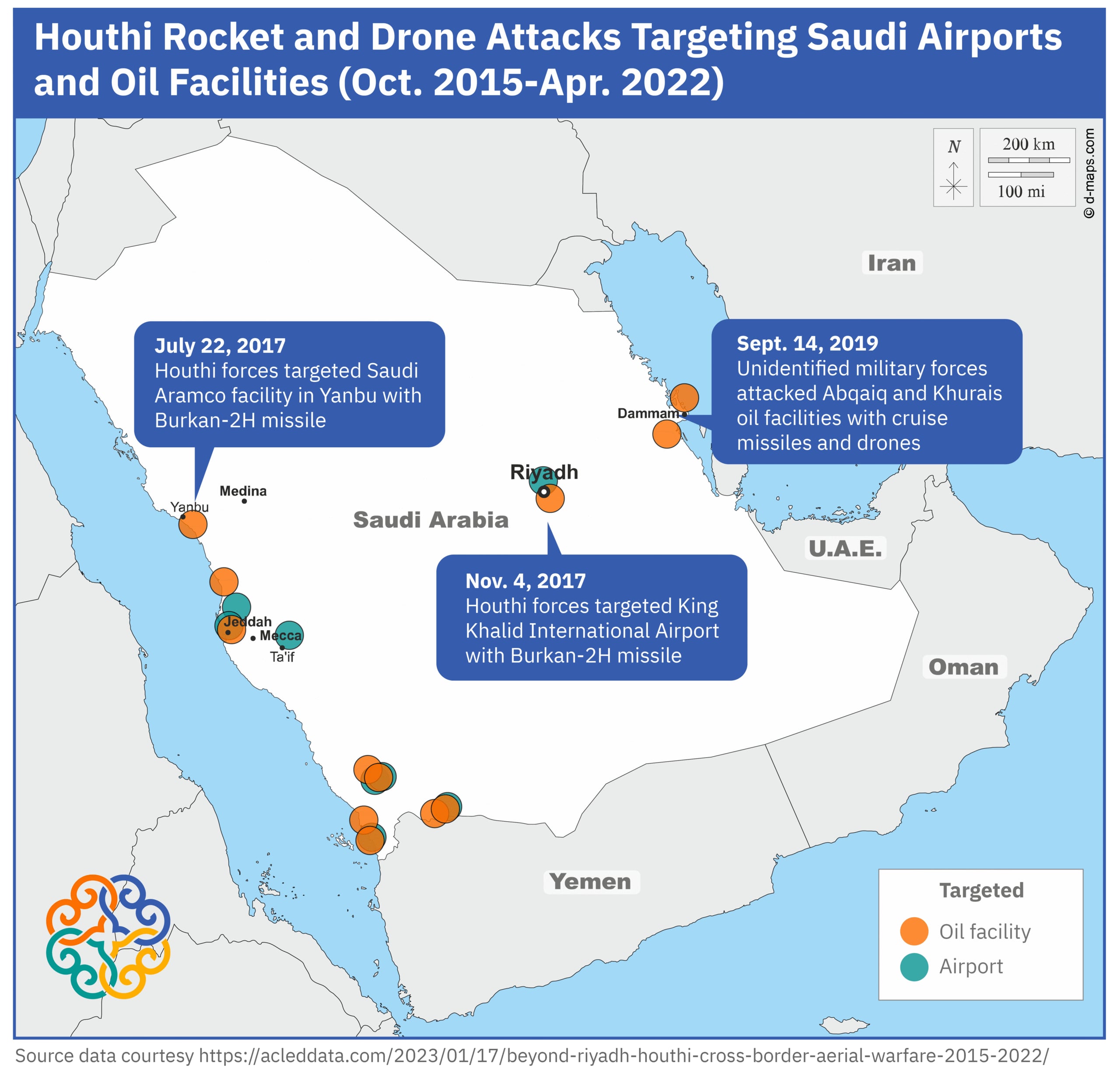
Saudi-Led Military Alliance Intercepts Houthi Attacks on Riyadh
 Iran
IranTrump Signals Possible Iran Military Strikes as Regional Tensions Rise
 Politics
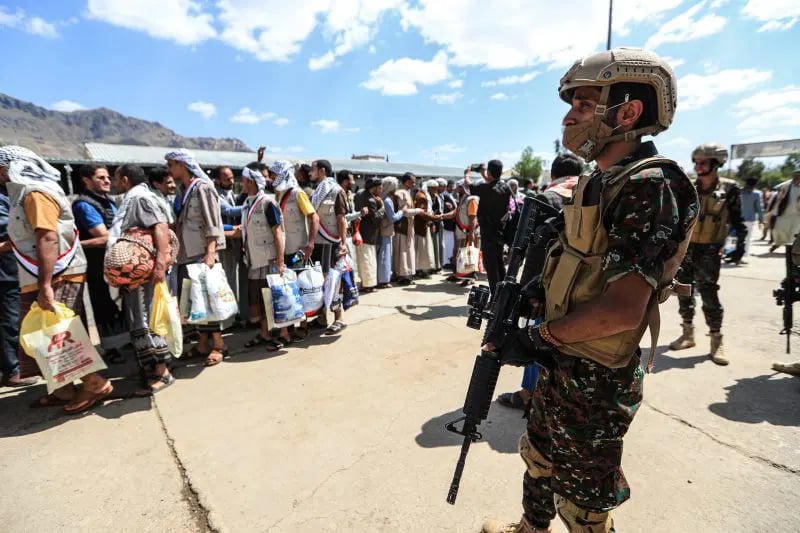
1,400 Yemeni refugees flee to Djibouti amid Houthi military advance
 Iran
IranIran expands proxy network to counter US military presence in Gulf
 Diplomacy