

Hormuz Strait Tensions Disrupt Humanitarian Aid in Somalia, Afghanistan
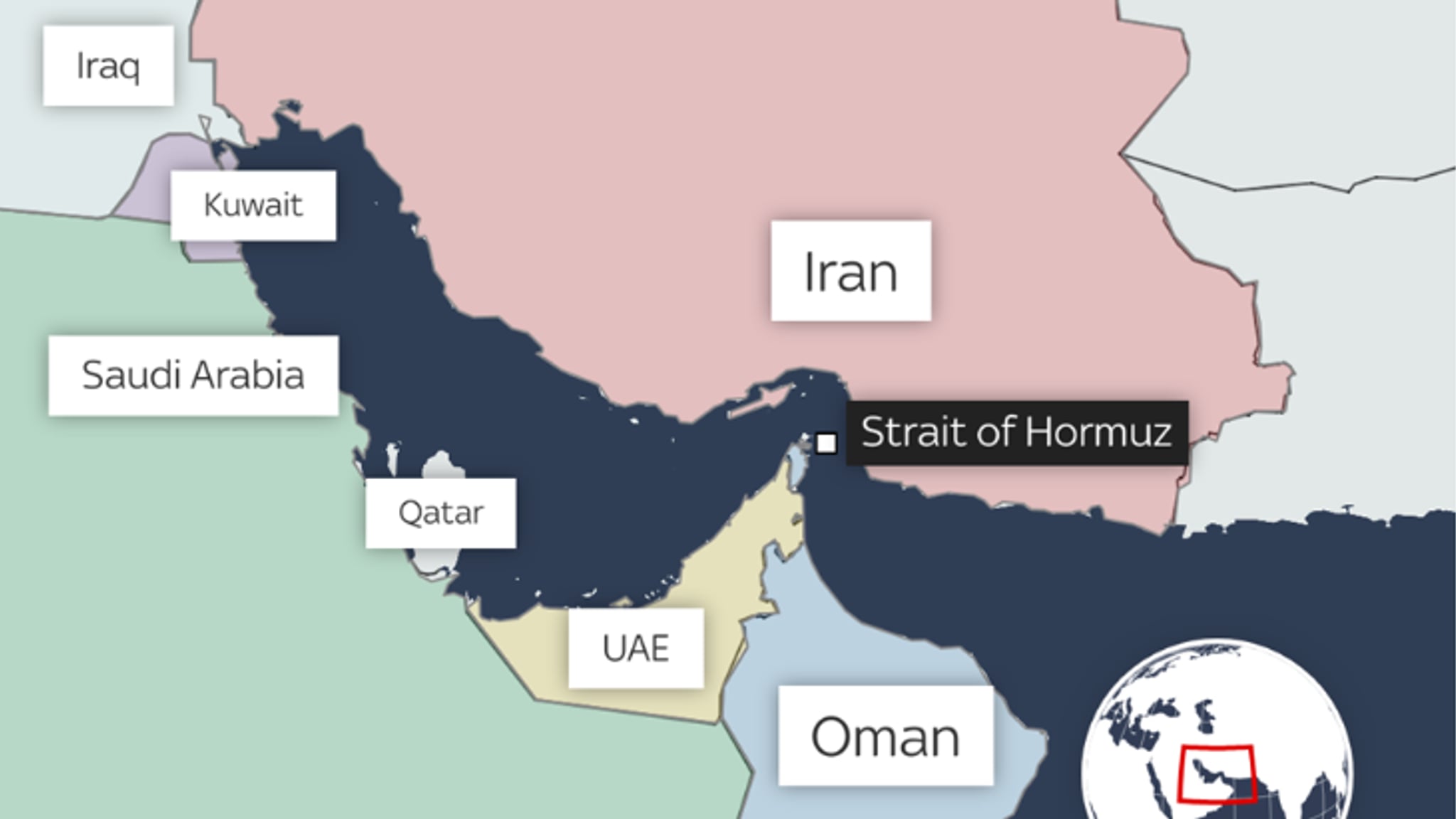
The ongoing tensions in the Hormuz Strait are having a devastating impact on humanitarian aid efforts in Somalia and Afghanistan, with food shortages and medical supply gaps worsening due to shipping disruptions and soaring logistics costs. The crisis, which began nearly 100 days ago, has sent shockwaves through global aid networks, pushing up transport and fuel costs and straining aid operations already grappling with severe funding shortfalls. As a result, UN agencies are warning of rising hunger in Africa and malnourished children being turned away from medical clinics in Afghanistan, highlighting the real consequences of the geopolitical crisis on some of the world's most vulnerable countries.
The Hormuz Strait is one of the world's most important energy and shipping corridors, with the majority of the world's oil passing through this strategic waterway. The continued uncertainty and sporadic hostilities in the region have created a perfect storm of disruptions to global supply chains, affecting not only the energy sector but also humanitarian aid efforts. The World Food Programme has been warning about the potential consequences of higher energy prices on food security, and now these warnings are materializing in real-time. The impact is being felt in countries like Somalia, where food lines are growing longer, and Afghanistan, where medical clinics are struggling to provide basic care due to shortages of essential supplies.
The situation is further complicated by the fragile ceasefire between the United States and Iran, which has not fully addressed the underlying issues driving the crisis. As a result, aid operations are facing significant challenges in delivering much-needed assistance to affected populations. The World Food Programme's Acting Executive Director, Carl Skau, has highlighted the real consequences of the crisis, noting that warnings about the potential impact of higher energy prices are now playing out in real-time. The international community is being called upon to take urgent action to address the crisis and mitigate its impact on humanitarian aid efforts.
The crisis in the Hormuz Strait is a stark reminder of the region's critical importance to global energy security and trade from a Qatar and Gulf perspective. The Gulf states, including Qatar, have a vested interest in ensuring the stability and security of the region, given their significant oil and gas exports. The crisis also highlights the need for regional cooperation and diplomacy to address the underlying issues driving the tensions. As a major player in regional and international affairs, Qatar is well-placed to play a key role in promoting dialogue and cooperation to resolve the crisis and mitigate its impact on humanitarian aid efforts. A stable and secure Hormuz Strait is essential for ensuring the free flow of energy and goods, as well as the delivery of humanitarian aid to those who need it most.
النسخة العربية
أزمة مضيق هرمز تعطل الإغاثة الإنسانية في الصومال وأفغانستان
اضطرابات مضيق هرمز تؤثر على شبكات الإغاثة الإنسانية في الصومال وأفغانستان، حيث تتعطل المساعدات بسبب ارتفاع تكاليف الشحن العالمي. هذا الوضع يؤدي إلى نقص غذائي في الصومال وفجوات في الإمدادات الطبية في أفغانستان.
الوضع الحالي يأتي في سياق الأزمة الجيوسياسية التي بدأت منذ ما يقرب من 100 يوم في الشرق الأوسط، والتي تتحول تدريجياً إلى أزمة أمن غذائي في مناطق أخرى. تحذر وكالات الأمم المتحدة من ارتفاع معدلات الجوع في أفريقيا ورفض الأطفال المتضورين جوعاً من العيادات الطبية في أفغانستان. على الرغم من الهدنة الهشة بين الولايات المتحدة وإيران، تستمر الأعمال العدائية المتقطعة والاستمرار في عدم اليقين في مضيق هرمز - واحد من أهم مسارات الطاقة والشحن في العالم - في إرسال موجات الصدمة عبر سلاسل التوريد العالمية، مما يرفع من تكاليف النقل والوقود ويزيد من ضغط عمليات الإغاثة التي تعاني بالفعل من نقص التمويل الحاد.
قال كارل سكاو، المدير التنفيذي بالنيابة لبرنامج الأغذية العالمي، في مقر الأمم المتحدة في نيويورك يوم الخميس، إن تحذيرات تم إصدارها في وقت سابق من الأزمة حول الآثار المترتبة على ارتفاع أسعار الطاقة تتحقق الآن في الوقت الحقيقي في العديد من السياقات. "مجرد توضيح أن ما حذرنا منه يحدث الآن في الوقت الحقيقي في العديد من هذه السياقات"، قال في كلمته. هذا الوضع يؤكد على الحاجة إلى حل سريع للأزمة في مضيق هرمز لتخفيف العبء على شبكات الإغاثة الإنسانية في الصومال وأفغانستان.
Source tweet
Humanitarian aid networks fracturing: Hormuz shipping disruptions block relief to Somalia and Afghanistan. Food shortages in Somalia, medical supply gaps in Afghan clinics as global logistics face delays and soaring costs.
More Stories
 Iran
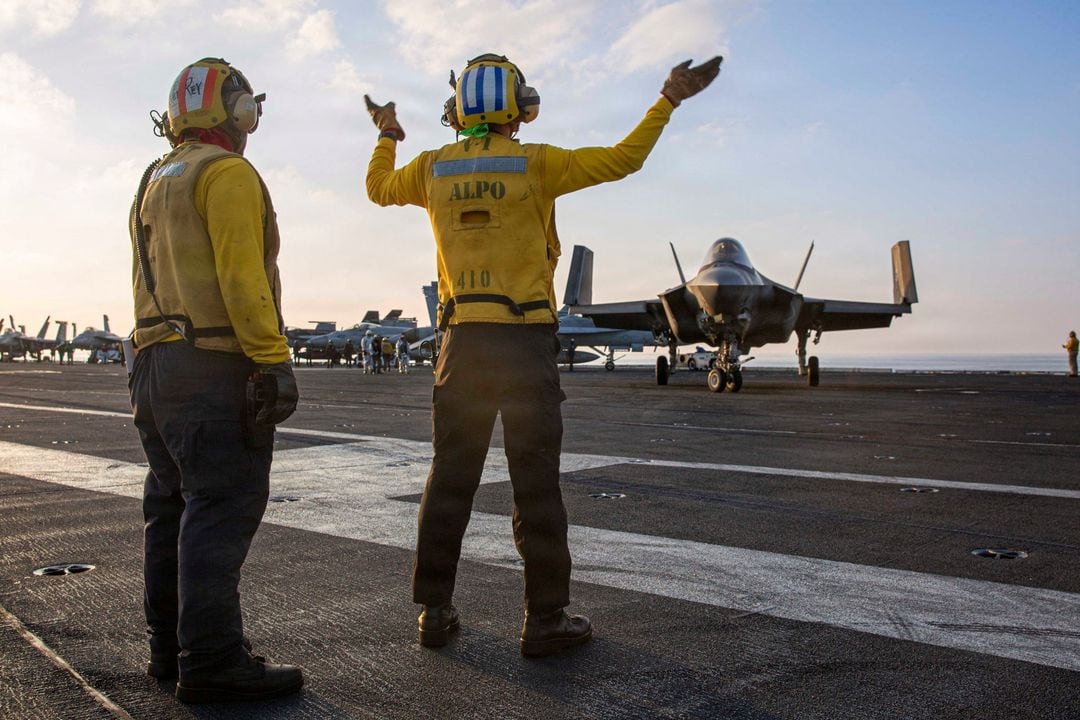
IranEight US Marines injured in Iranian missile strike on vessel in Strait of Hormuz
 Iran
IranUS, Iran explore Hormuz strait deal as oil prices retreat from recent gains
 Africa
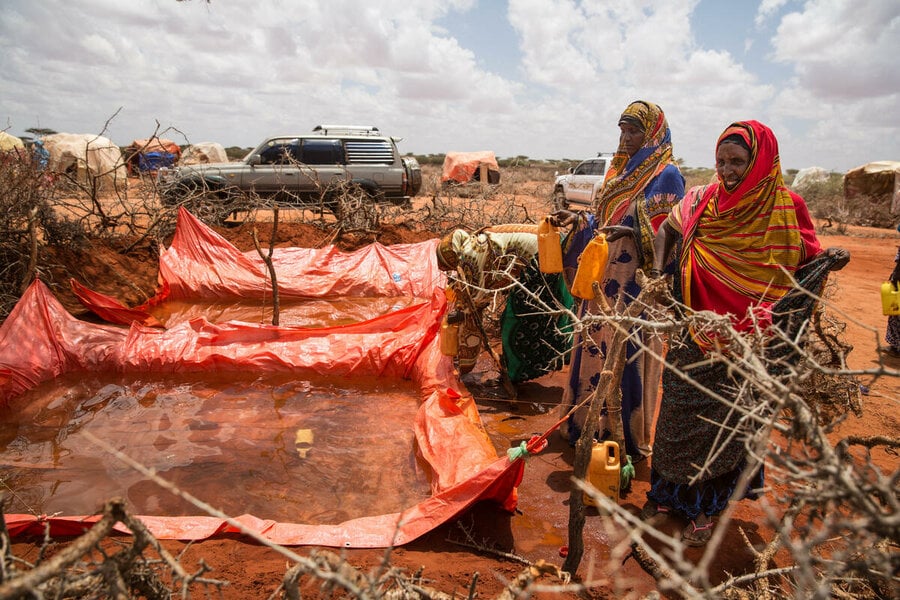
Somalia's humanitarian crisis deepens: millions face severe hunger and malnutrition
 Iran
IranTrump Signals Possible Iran Military Strikes as Regional Tensions Rise
 Diplomacy