

Iran exercises its inherent right to self-defence in response to aggression, says Iranian envoy to UN Security Council.
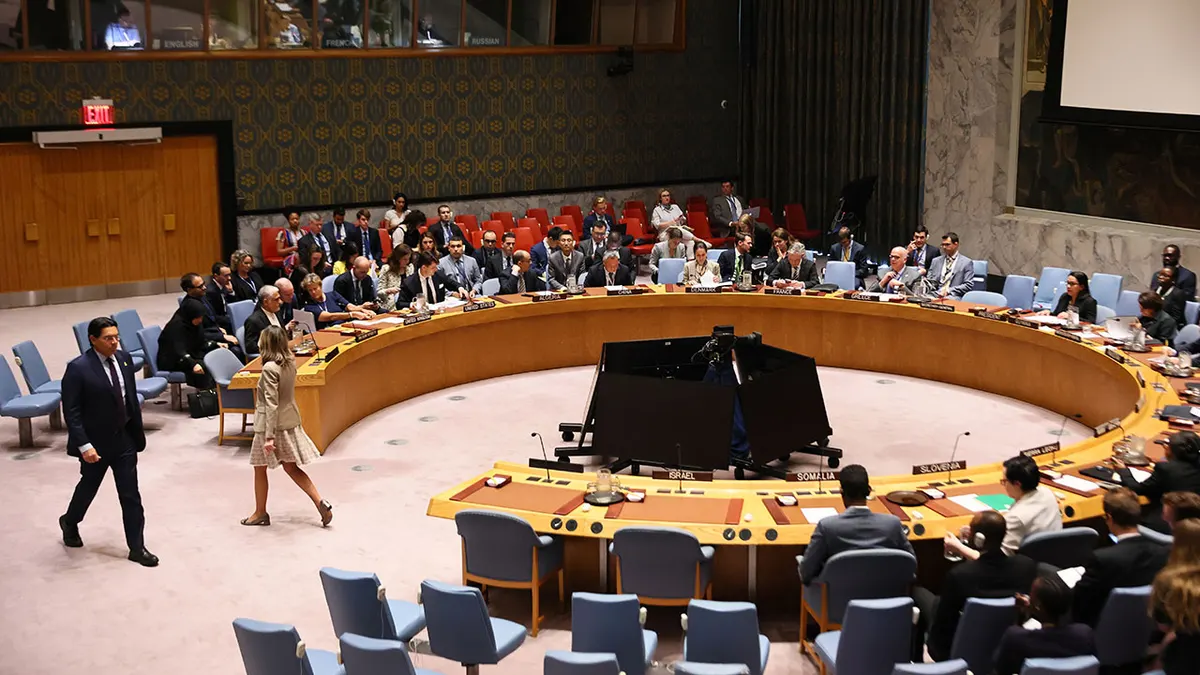
Iran has exercised its inherent right to self-defence in response to aggression, according to a statement made by the Iranian envoy to the UN Security Council, highlighting the country's stance on its actions in the face of perceived threats. The statement, which was recently made, underscores Iran's commitment to defending its sovereignty and territorial integrity, and its willingness to take measures it deems necessary to protect itself from aggression.
The context of this statement is significant, as it comes at a time of heightened tensions in the region, with various countries vying for influence and security. The Middle East has long been a complex and volatile region, with numerous countries having competing interests and agendas. Iran, in particular, has been at the center of many of these tensions, with its nuclear program and regional activities being closely watched by the international community. The country's decision to exercise its right to self-defence is likely to be closely scrutinized by other nations, particularly those with interests in the region.
The Iranian envoy's statement to the UN Security Council is a clear indication of the country's position on its right to defend itself, and its willingness to take action in response to perceived threats. While the statement does not provide specific details on the nature of the aggression Iran is responding to, it is clear that the country is committed to protecting its interests and sovereignty. This stance is likely to be supported by many countries, including those in the Gulf region, which have long been concerned about the potential for conflict and instability in the Middle East.
From a Gulf perspective, Iran's decision to exercise its right to self-defence is likely to be viewed with caution, as it has the potential to escalate tensions in the region. Qatar, in particular, has long been committed to promoting peace and stability in the Middle East, and has played a key role in mediating conflicts and promoting dialogue between nations. As such, the country is likely to be watching developments in Iran closely, and will be seeking to promote a peaceful and diplomatic resolution to any conflicts that may arise.
Iran's decision to exercise its inherent right to self-defence in response to aggression is a significant development, with important implications for the region. As tensions in the Middle East continue to evolve, it is likely that Qatar and other Gulf countries will play an important role in promoting peace and stability, and in seeking to resolve conflicts through diplomatic means. The region's complex web of alliances and interests means that any developments in Iran are likely to have far-reaching consequences, and will be closely watched by countries throughout the Gulf.
النسخة العربية
إيران ترد على العدوان وتدافع عن نفسها قانونيا
ترد إيران على العدوان وتدافع عن نفسها قانونيا، وفقاً لما أعلنه المندوب الإيراني لدى مجلس الأمن الدولي، حيث أكد على حق بلاده في الدفاع عن نفسها استجابةً لأي عدوان. هذا التصريح يأتي في سياق التوترات المتزايدة في المنطقة، حيث تعتبر إيران واحدة من الدول الرئيسية التي تؤثر على الأحداث الجارية.
تعتبر إيران واحدة من الدول التي تتمتع بحق الدفاع عن نفسها، وهو حق مسلم بها بموجب القانون الدولي. هذا الحق يمنح الدول الحق في اتخاذ الإجراءات اللازمة للدفاع عن أراضيها وسيادتها في حالة تعرضها للهجوم أو التهديد. وفي هذا السياق، أكد المندوب الإيراني على أن بلاده ستستخدم هذا الحق في حال تعرضت لعدوان أو تهديد.
تتسم المنطقة بتطورات سياسية وعسكرية متسارعة، وتعتبر إيران واحدة من الأطراف الرئيسية في هذه التطورات. تعتبر إيران دولة ذات تأثير كبير في المنطقة، وتتمتع بعلاقات مع العديد من الدول الأخرى. وفي هذا السياق، يعتبر حق إيران في الدفاع عن نفسها أمراً هاماً لضمان استقرار المنطقة.
Source tweet
Iran exercises its inherent right to self-defence in response to aggression, says Iranian envoy to UN Security Council.
More Stories
 BREAKING
Iran Pledges to Protect Rights from Hormuz to Compensation After US Talks
 Politics
Hezbollah Claims Drone Strike on Yara Barracks in Response to Ceasefire Violation
 Palestine
Hezbollah Launches Rockets at Manara Settlement in Response to Ceasefire Violation
 BREAKING
Israel’s far-right minister Ben-Gvir stormed the Al-Aqsa Mosque compound in occupied East Jerusalem on Monday as the Mus
 Gulf
Gulf