

Somalia Slides Toward Famine Amid Governance Vacuum
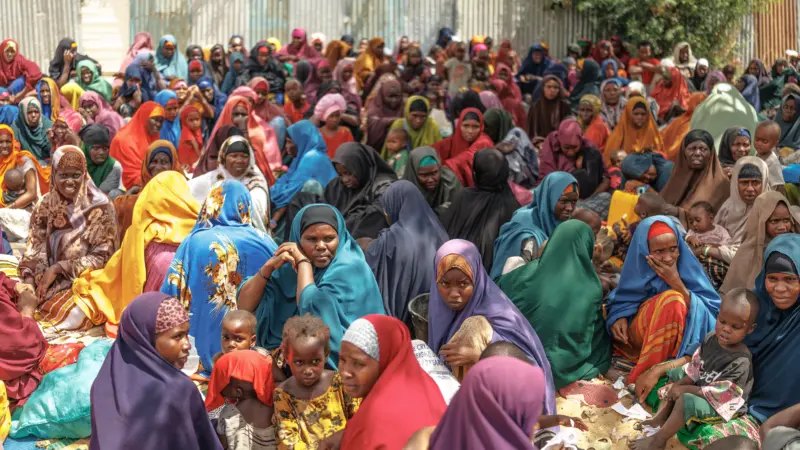
Somalia is sliding toward famine. Roughly 6 million of the country's 20-plus million people now face acute hunger, and 1.9 million of them have crossed into the Emergency Phase of the international food-security scale (IPC Phase 4) — one step short of catastrophe. In the Burhakaba district of the Bay region, conditions are deteriorating so fast that aid agencies warn an official famine could be declared as early as June 2026.
What sets Somalia's crisis apart from a simple weather emergency is the state behind it. The federal government remains weak, fragmented and stretched thin by a long-running insurgency, with limited reach beyond Mogadishu. That governance vacuum acts as a force multiplier: drought, an imported fuel shock, armed conflict and a collapse in humanitarian funding each do more damage in a country that has no functioning central authority capable of coordinating a response.
The immediate trigger is drought. Consecutive below-average rainy seasons have weakened livestock herds, cut harvests and dried up water sources across the south and centre. The human toll is already visible in the data: in Burhakaba, more than one in three children under five is acutely malnourished, and across the country an estimated 1.88 million children will require treatment for acute malnutrition during 2026.
Layered on top of the drought is a sudden price shock. In March 2026, fuel prices jumped 150 percent — from USD 0.60 to USD 1.50 per litre — after the late-February blockade of the Strait of Hormuz disrupted regional supply. The knock-on effects have been brutal for households already on the edge: the price of a jerrycan of water has surged more than 2,000 percent in a single year, from USD 0.06 to USD 1.50, while transport costs in the Mudug region have climbed by up to 50 percent.
Conflict then seals off the escape routes. Armed clashes, the entrenched presence of Al-Shabaab and recurring clan rivalries routinely block humanitarian access, forcing organisations to suspend food distribution and water trucking in the very areas where need is highest. With no state able to guarantee safe passage, relief that does exist often cannot reach the people who need it.
The financial picture is just as grim. Of the USD 1.42 billion required for Somalia's humanitarian response, only USD 288 million — about 20 percent — has been allocated. That shortfall has forced a 75 percent cut to operations, slashing the number of people aid agencies can reach from 6 million to roughly 1.3 million. More than 200 health and nutrition centres have closed since early 2025, and some 1.7 million people have lost access to essential care. "Rows of beds with malnourished children and anxious mothers just hoping their children would survive are one of the most heartbreaking scenes I've ever witnessed," said UNICEF Executive Director Catherine Russell.
Aid organisations increasingly describe Somalia as a case study in a "post-aid era," in which humanitarian need keeps rising even as funding shrinks under the combined weight of climate change and geopolitical instability. The danger is that Burhakaba becomes not an isolated emergency but the first of several formal famine declarations. Without a functioning state to coordinate relief and a restored funding pipeline to pay for it, the gap between what Somalis need and what reaches them will keep widening — a warning with direct implications for food security and stability across the Horn of Africa and the wider region.
النسخة العربية
الصومال يتجه نحو المجاعة في ظل فراغ الحوكمة
ينزلق الصومال نحو المجاعة. إذ يواجه نحو 6 ملايين شخص من أصل أكثر من 20 مليوناً جوعاً حاداً، وقد تجاوز 1.9 مليون منهم عتبة "مرحلة الطوارئ" على المقياس الدولي للأمن الغذائي (المرحلة الرابعة)، وهي خطوة واحدة قبل الكارثة. وفي مقاطعة بُرحكبة بإقليم باي، تتدهور الأوضاع بسرعة دفعت منظمات الإغاثة إلى التحذير من إعلان رسمي للمجاعة قد يصدر في غضون حزيران/يونيو 2026.
ما يميّز أزمة الصومال عن مجرد طارئ مناخي هو الدولة القائمة خلفها. فالحكومة الاتحادية لا تزال ضعيفة ومفككة ومنهكة بفعل تمرد طويل الأمد، ولا يتجاوز نفوذها مقديشو إلا قليلاً. ويعمل هذا الفراغ في الحوكمة كعامل مضاعِف: فالجفاف، وصدمة أسعار الوقود المستوردة، والنزاع المسلح، وانهيار التمويل الإنساني، كلها تُحدث ضرراً أكبر في بلد يفتقر إلى سلطة مركزية قادرة على تنسيق الاستجابة.
المحرك المباشر هو الجفاف. فقد أدّت مواسم أمطار متتالية دون المعدل إلى إضعاف قطعان الماشية، وتقليص المحاصيل، وجفاف مصادر المياه في الجنوب والوسط. وتظهر الحصيلة البشرية في الأرقام: ففي بُرحكبة يعاني أكثر من طفل واحد من كل ثلاثة أطفال دون سن الخامسة من سوء تغذية حاد، ويُقدَّر أن 1.88 مليون طفل سيحتاجون إلى علاج من سوء التغذية الحاد خلال عام 2026.
Source tweet
6 million Somalis face acute hunger 🇸🇴
More Stories
 Turkey
Turkey Built Somalia's Military. Now Its Drones Are Accused of Targeting a Political Rival
 Africa
Turkey's Expanding Grip on Somalia: Oil, Fisheries and Military Power
 Africa
Puntland Forces Seize Federal Camp in Galkayo as Somalia's Legitimacy Crisis Deepens
 Africa
Al-Shabaab Seizes Teedaan in Central Somalia After Two-Day Battle
 Africa