

The World's Biggest LNG Bet: Why Everything Runs Through Ras Laffan

Qatar made a decision decades ago that still shapes how the world heats homes, generates electricity, and powers industry: concentrate everything in one place.
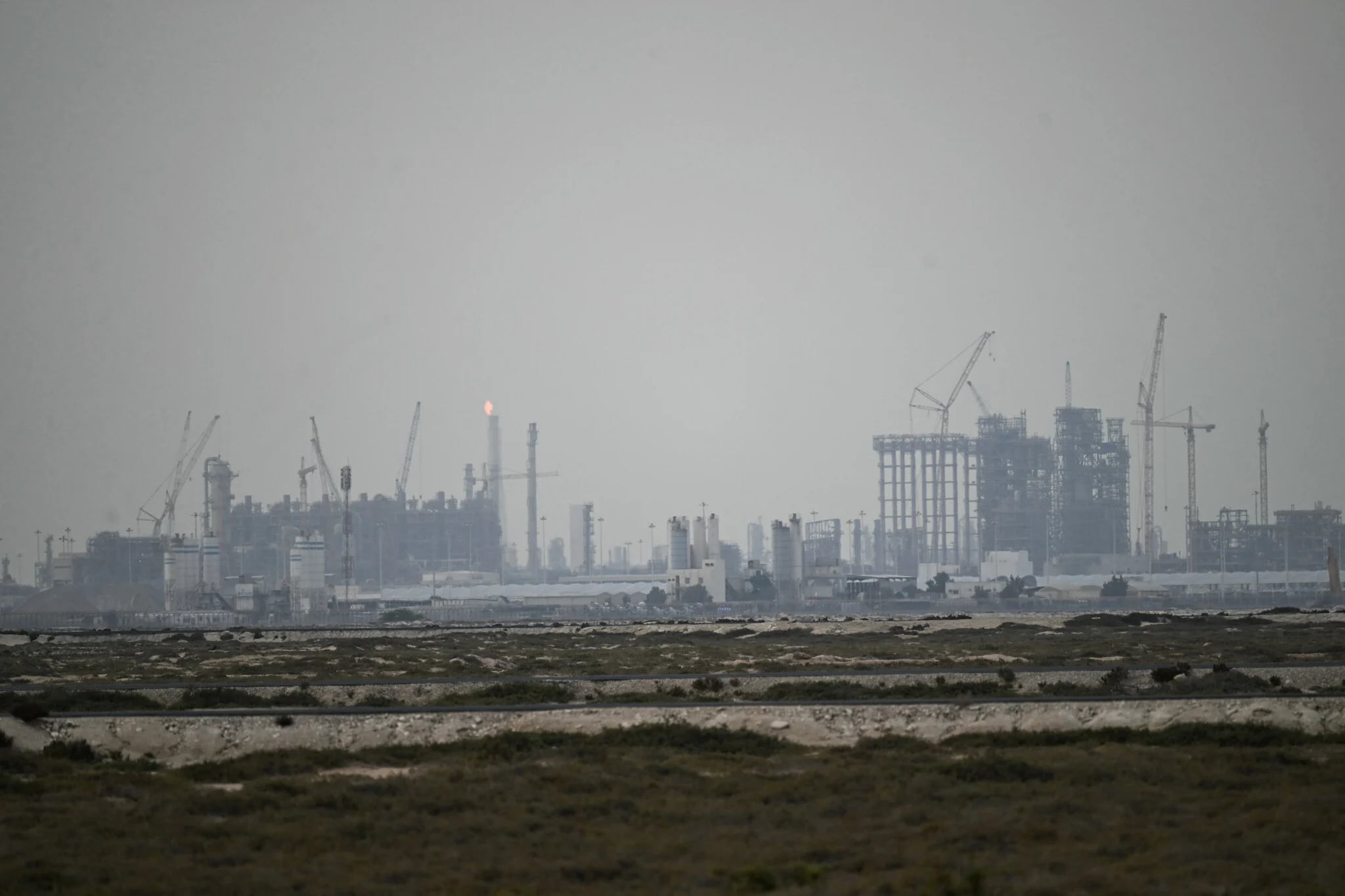
Ras Laffan Industrial City, built on Qatar's northeastern coast, is the world's single largest liquefied natural gas production and export hub. It processes the overwhelming majority of Qatar's output from the North Field — the largest natural gas reservoir on earth — and ships it under long-term contracts to buyers in Japan, South Korea, China, India, and across Europe.
The scale is staggering. Roughly one in five cargoes of LNG traded globally originates here. Fourteen production trains run continuously, converting natural gas into the super-cooled liquid that can be loaded onto specialized tankers and shipped anywhere in the world.
This concentration is Qatar's greatest strength and its most debated vulnerability. Energy analysts call it a single point of failure: unlike oil, which is produced across dozens of countries and routed through multiple corridors, a significant share of global LNG depends on a facility cluster that occupies a relatively small footprint on the Arabian Gulf.
Buyers have built this dependency deliberately. Long-term Qatari LNG contracts offer price stability and reliability that spot markets cannot match. But that reliability rests on the assumption that Ras Laffan operates without interruption.
Qatar has invested heavily in facility protection, redundancy, and diplomatic relationships precisely because it understands what the concentration means. The country's foreign policy — maintaining ties with Iran, the United States, and Gulf neighbors simultaneously — is partly an insurance policy for Ras Laffan.
As Qatar expands the North Field and adds capacity through 2030, Ras Laffan's share of global LNG supply will only grow. For energy importers from Tokyo to Berlin, that is both reassuring and sobering.
النسخة العربية
أكبر رهان في عالم الغاز: لماذا يمر كل شيء عبر راس لفان؟
اتخذت قطر قبل عقود قراراً لا يزال يُشكّل طريقة تدفئة العالم وتوليد الكهرباء وتشغيل الصناعة: تركيز كل شيء في مكان واحد.
مدينة راس لفان الصناعية، المُشيّدة على الساحل الشمالي الشرقي لقطر، هي أكبر مركز في العالم لإنتاج الغاز الطبيعي المسال وتصديره. فهي تُعالج الجزء الأكبر من إنتاج قطر من حقل الشمال — أكبر احتياطي للغاز الطبيعي على وجه الأرض — وتُشحن بموجب عقود طويلة الأمد إلى مشترين في اليابان وكوريا الجنوبية والصين والهند وعموم أوروبا.
الحجم مذهل. نحو شحنة من كل خمس شحنات غاز مسال تُتداول عالمياً تنطلق من هنا. أربع عشرة وحدة إنتاجية تعمل باستمرار، تحوّل الغاز الطبيعي إلى سائل مبرّد فائق يُحمل على ناقلات متخصصة ويُشحن إلى أي مكان في العالم.
Source tweet
One facility. 20% of global LNG. Qatar built the world's biggest energy bet at Ras Laffan — and buyers from Tokyo to Berlin staked their energy security on it.
More Stories
 Economy
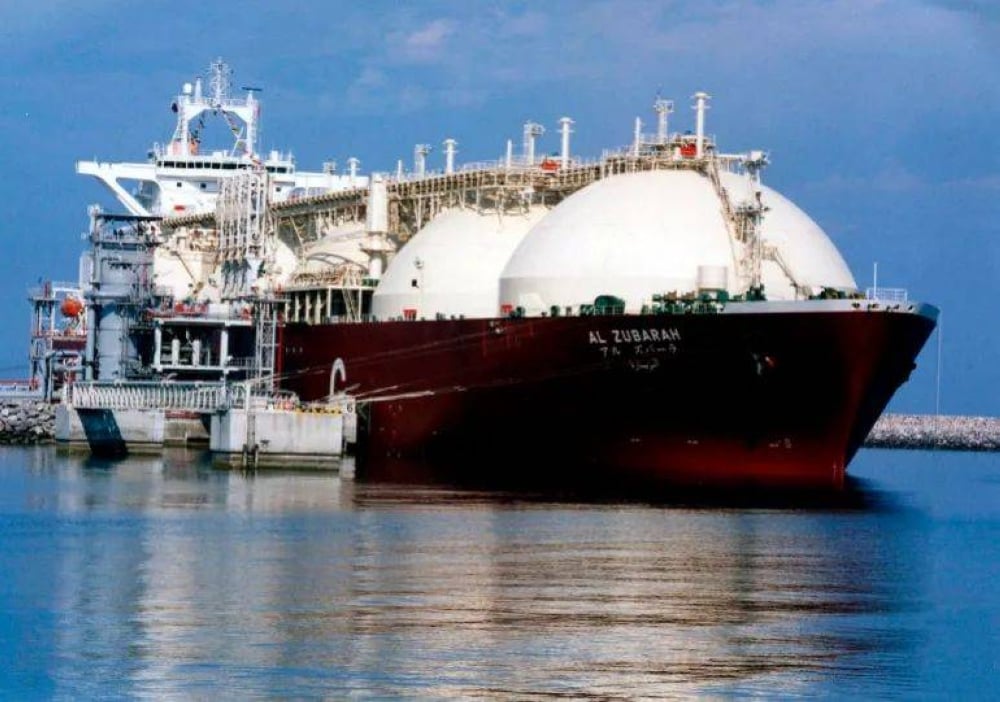
Qatar Imports 33 American LNG Cargoes After Iran Damages Ras Laffan
 Economy
Explosion and Fire at Barzan Gas Facility in Ras Laffan; QatarEnergy Says Blaze Under Control
 Palestine
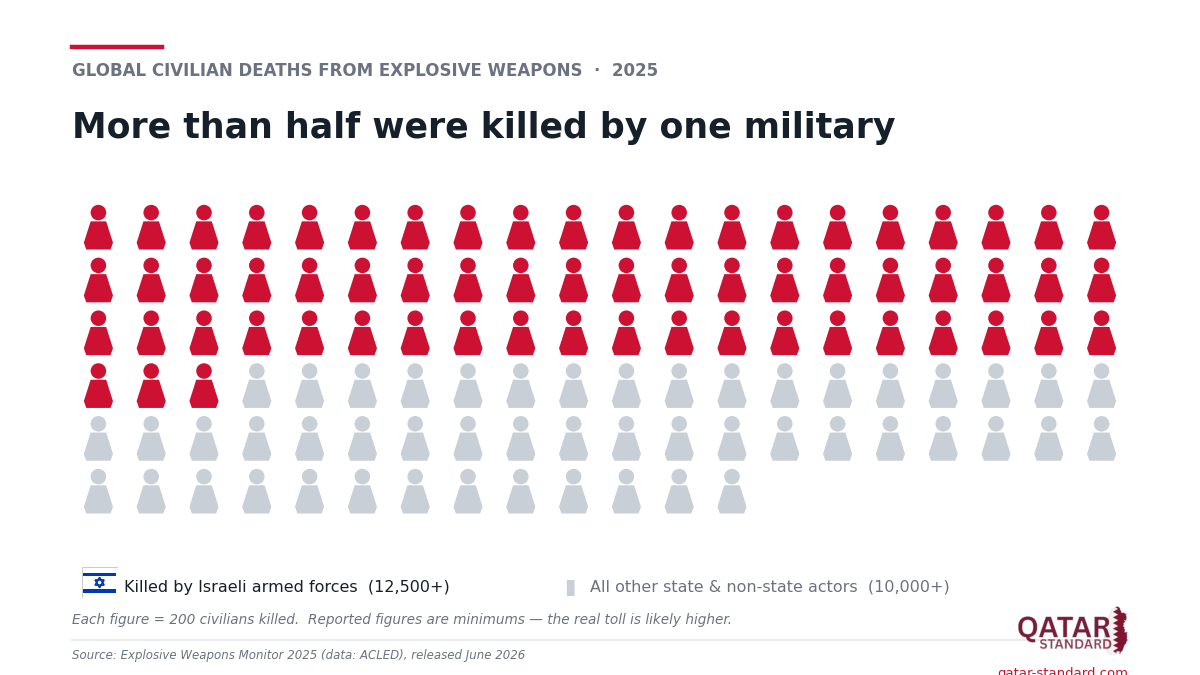
For a Third Year, One Military Caused the Majority of the World's Civilian War Deaths
 Gulf
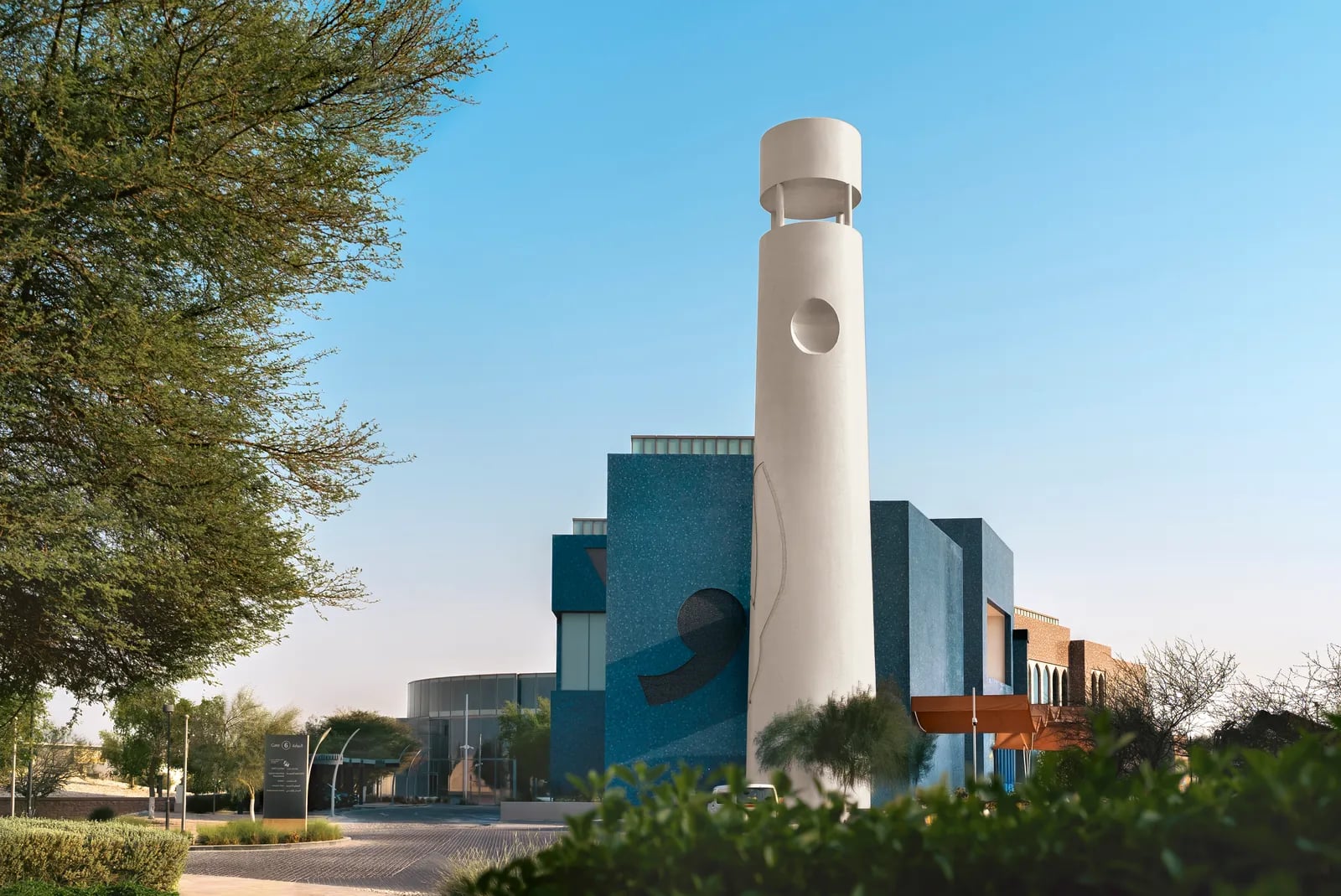
GulfDoha's Lawh Wa Qalam Museum Named Among TIME World's Greatest Places 2026
 Economy