

Iran Strikes US Bases in Kuwait as Explosions Rock the Gulf
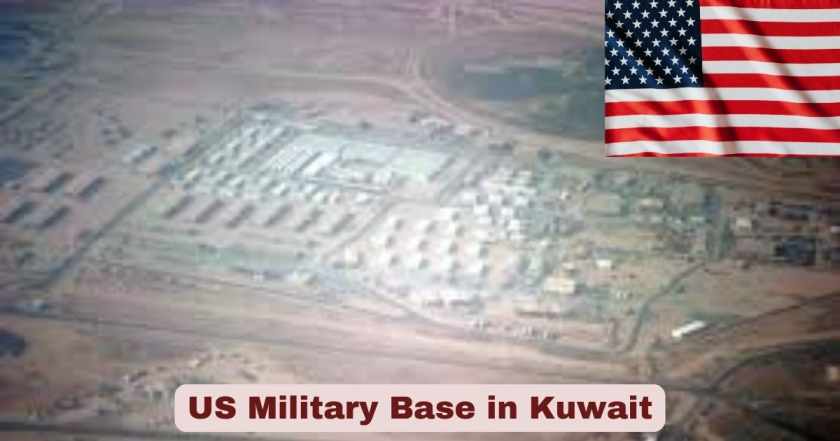
In the early hours of Wednesday, June 3, Iran's Islamic Revolutionary Guard Corps said it had launched missile strikes on United States military facilities in Kuwait, opening a more direct phase in its confrontation with Washington. Explosions were reported across Kuwait and in Iraq, Bahrain, and the northern Iraqi city of Erbil, as air-defence systems activated and sirens sounded across the Gulf.
The IRGC's Aerospace Force said it had carried out what it called "precise and concentrated missile attacks" on American bases in Kuwait, framing the assault as retaliation for a US strike on Iran's Qeshm Island, a strategic outpost near the mouth of the Strait of Hormuz.
"The era of hit and run is over"
In a statement carried by Iranian media, the IRGC said the strikes had destroyed their targets and warned the United States and its regional partners against further action. "The era of 'hit and run' has ended, and the aggressor forces must bear the dire consequences of their ignorance and reckless adventures," the statement read. It threatened to turn "all the headquarters and interests of the aggressors in the region into ashes" if Iranian territory or airspace were violated again, and described any state allowing its soil to be used against Iran as fair warning.
The language marks a deliberate shift in tone. By naming Kuwait and signalling that bases hosting US forces across the Gulf are now considered legitimate targets, Tehran has moved from the calibrated, deniable exchanges that characterised earlier rounds toward open attribution.
Kuwait activates its defences
Kuwait's armed forces said their air-defence systems were intercepting "hostile" missiles and drones, and urged residents to remain calm. "Any sounds of explosions heard are the result of air defense systems intercepting these hostile attacks," the military said in a post on X, without naming the source of the projectiles.
The General Staff of the Army warned citizens and residents to avoid any debris or unidentified objects that might fall from intercepted targets, to report suspicious material through emergency services, and to rely only on official channels for information. There was no immediate confirmation of casualties or of damage to specific installations, and the IRGC's claims of "successful destruction" could not be independently verified.
Why Doha is watching closely
The reach of the campaign places Qatar squarely within the arc of risk. The country hosts Al Udeid Air Base, the largest US military installation in the Middle East and the forward headquarters of US Central Command, making it one of the most significant American footprints anywhere in the region. An Iranian doctrine that treats US bases across the Gulf as retaliation targets does not leave Doha outside the equation.
Qatar has spent the current crisis as one of the few channels still open to all sides, leaning on the mediating role it has cultivated with both Washington and Tehran. A widening of the war to Kuwaiti soil, and the explicit threat to other host states, narrows the space for that quiet diplomacy and raises the stakes for the Gulf's energy corridors, airspace, and civilian population alike. For Doha, the strikes on Kuwait are not a distant escalation but a warning delivered next door.
النسخة العربية
إيران تستهدف قواعد أمريكية في الكويت مع دوي انفجارات في الخليج
في الساعات الأولى من صباح الأربعاء 3 يونيو، أعلن الحرس الثوري الإيراني أنه شنّ ضربات صاروخية على منشآت عسكرية أمريكية في الكويت، فاتحاً مرحلة أكثر مباشرةً في مواجهته مع واشنطن. وأُفيد بسماع انفجارات في أنحاء الكويت وفي العراق والبحرين ومدينة أربيل شمالي العراق، مع تفعيل أنظمة الدفاع الجوي ودوي صفارات الإنذار عبر الخليج.
وقالت القوة الجوفضائية في الحرس الثوري إنها نفّذت ما وصفته بـ"ضربات صاروخية دقيقة ومركّزة" على قواعد أمريكية في الكويت، واصفةً الهجوم بأنه ردّ على ضربة أمريكية استهدفت جزيرة قشم الإيرانية، وهي موقع استراتيجي قرب مدخل مضيق هرمز.
"زمن الكرّ والفرّ قد انتهى"
Source tweet
Iran's Revolutionary Guard says it has struck US bases in Kuwait, with explosions also reported in Iraq, Bahrain and Erbil. Tehran calls it retaliation for a US strike on Qeshm Island and warns "the era of hit and run is over." Why Doha and Al Udeid are watching closely.
More Stories
 Iran
IranTrump Signals Possible Iran Military Strikes as Regional Tensions Rise
 Iran
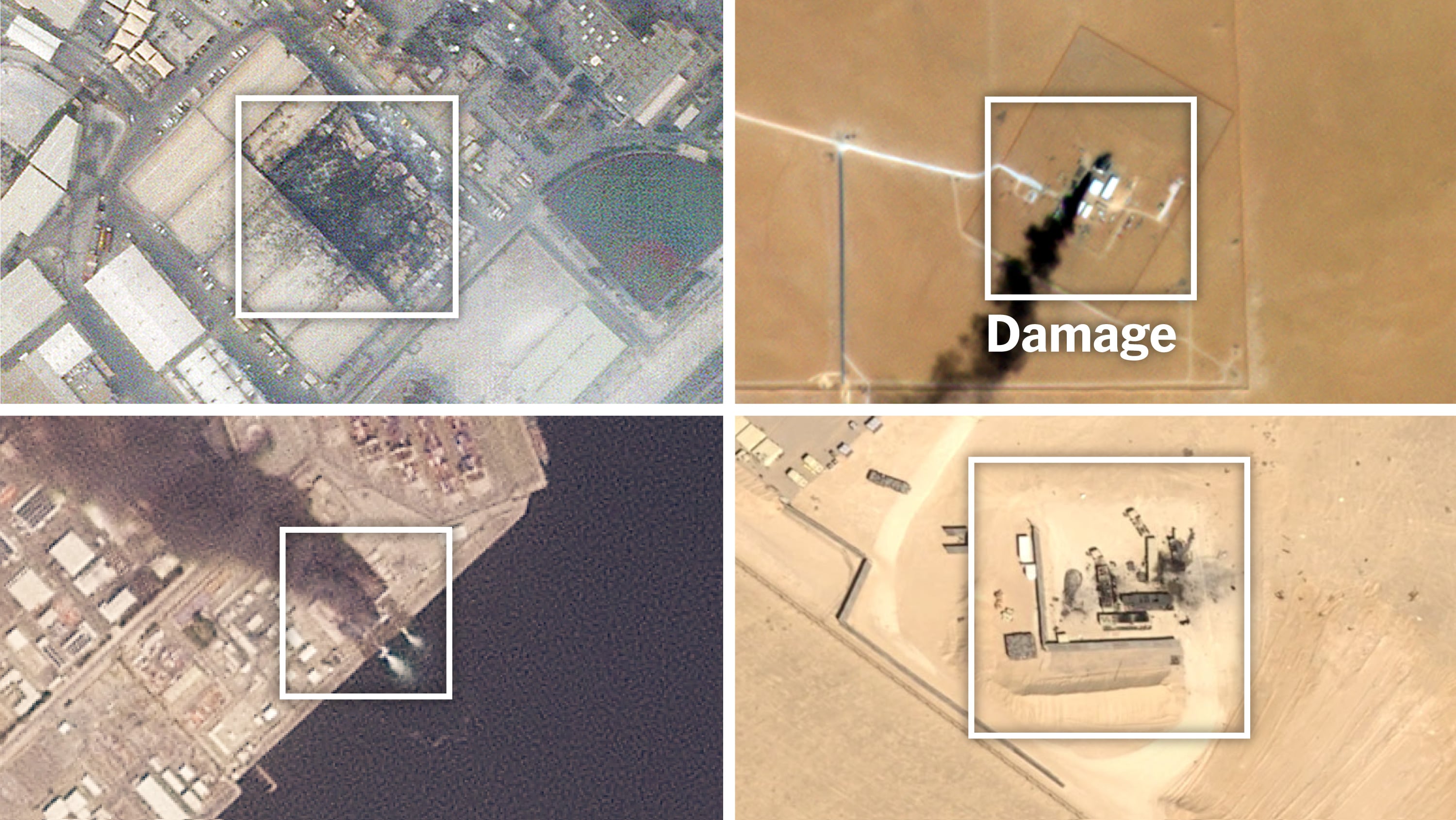
IranPentagon: $184M Damage from Iranian Strikes on US Middle East Facilities
 BREAKING
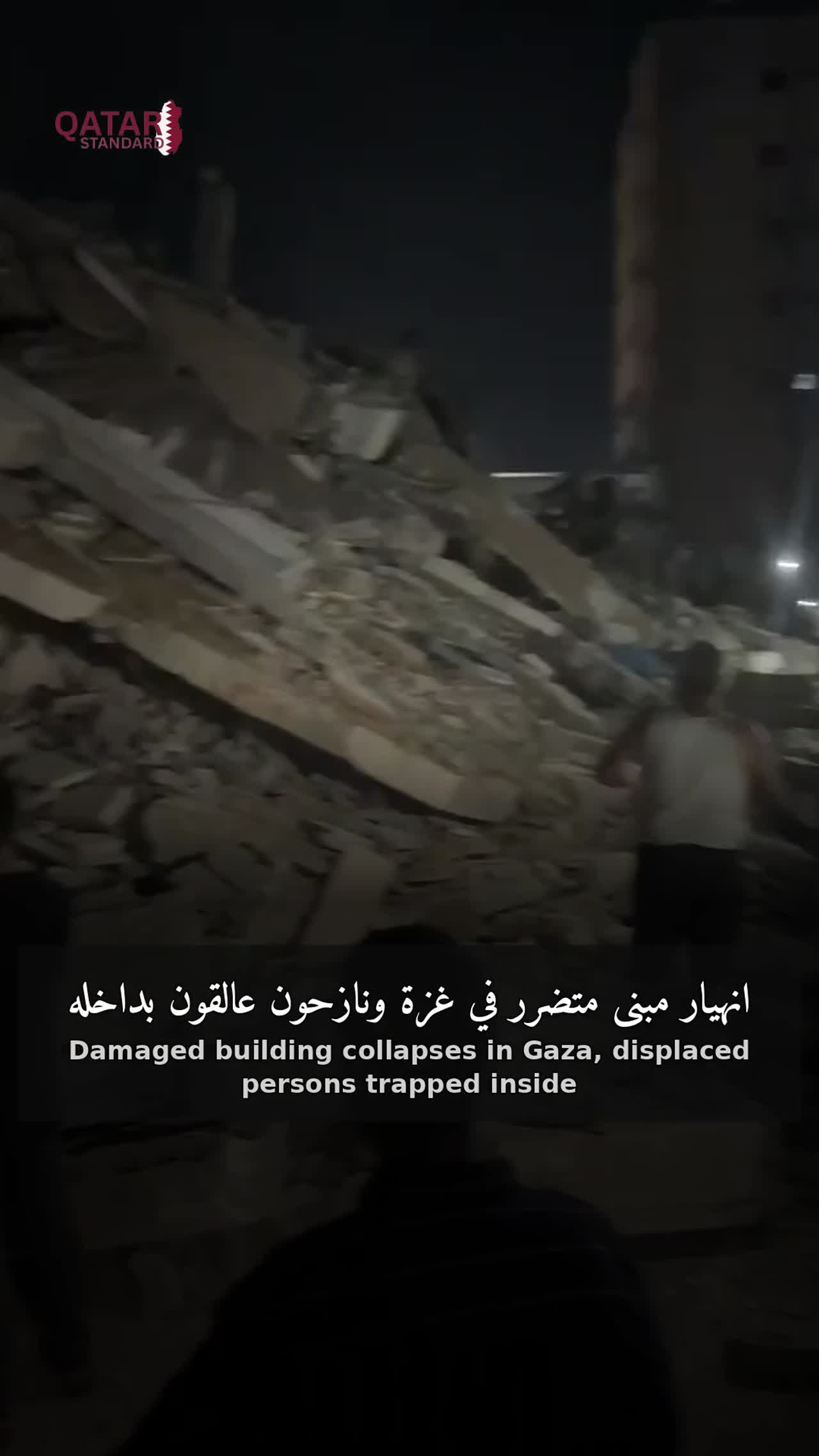
Building Collapses in Gaza City Universities Area After Israeli Strikes, Trapping Displaced Persons
 Turkey
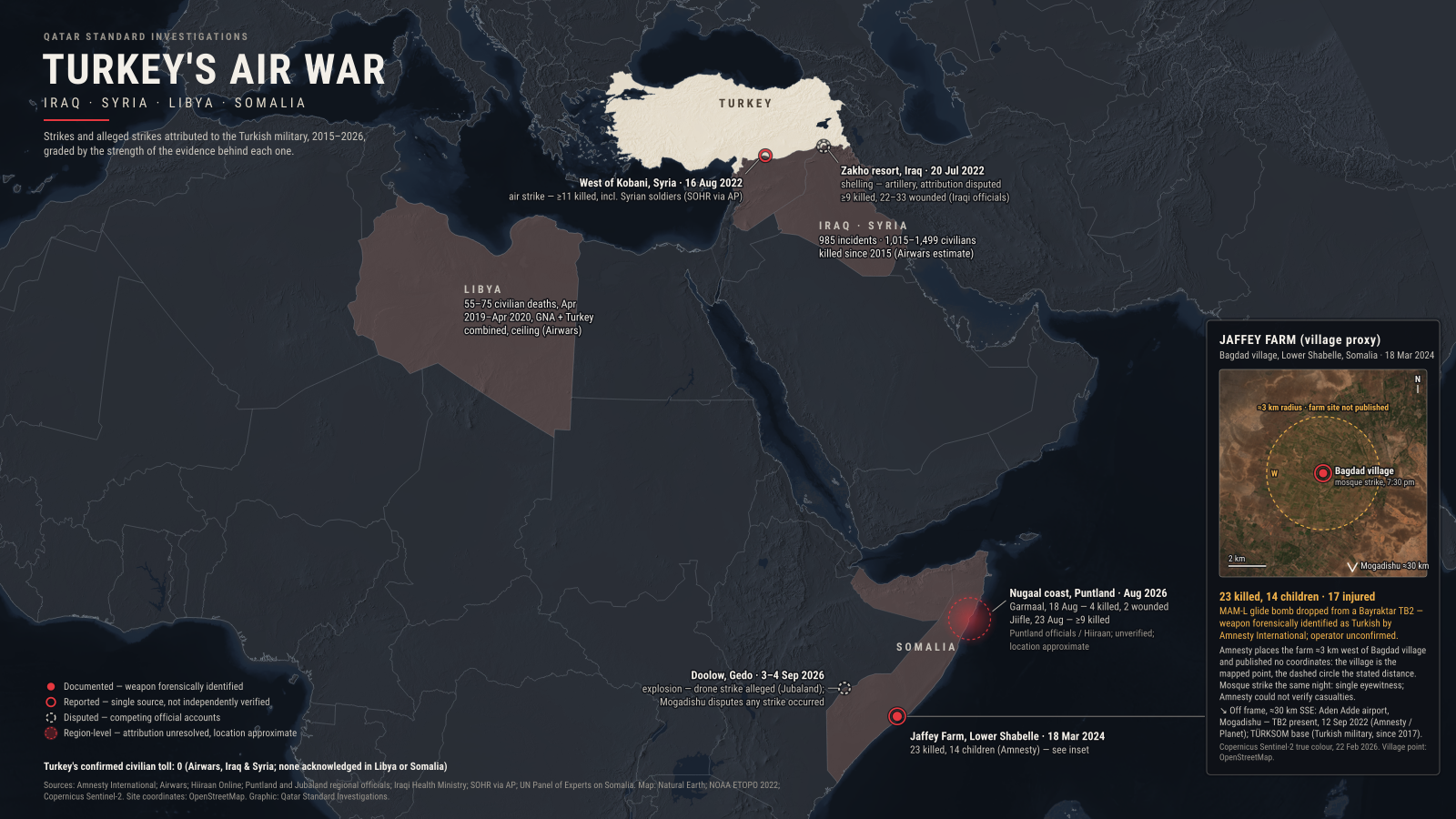
Turkey Has More Air Strikes on Muslim Countries Than Any Country Besides Israel
 Gulf
Gulf