

Iranian Rial Hits 1.8M Per Dollar: Currency Collapse Deepens Post-War Crisis

Iran's national currency plunged to an unprecedented low on Tuesday, with the rial trading at approximately 1.8 million to the US dollar on Tehran's open market, according to a report carried by Al Jazeera Mubasher. The latest depreciation marks another grim milestone for an economy battered by years of sanctions, political isolation, and deepening regional tensions, and represents a staggering collapse from the official rate of around 42,000 rials per dollar that authorities continue to publish.
Currency exchangers in Tehran's Ferdowsi Street, the traditional barometer of Iran's parallel foreign exchange market, reported brisk demand for dollars and euros as households and businesses scrambled to preserve savings. The slide accelerates a trend that has wiped out roughly 90 percent of the rial's value since the United States withdrew from the 2015 nuclear accord and reimposed sweeping sanctions on Iranian oil exports, banking, and shipping.
The collapse comes against a backdrop of mounting pressure on the Iranian economy. Inflation has remained stubbornly above 40 percent for much of the past two years, while the central bank's foreign reserves have been depleted by sanctions enforcement and falling oil revenues. Recent military exchanges with Israel earlier in the year, the weakening of allied forces across the region, and uncertainty surrounding indirect nuclear talks with Washington have further eroded investor confidence in the rial.
Iranian officials have blamed what they call psychological warfare and speculative attacks for the latest plunge, with the central bank pledging to inject hard currency into the market to stabilise the rate. President Masoud Pezeshkian's administration has struggled to deliver on campaign promises of economic relief, as parliamentary hardliners block efforts to engage more substantively with Western powers over the nuclear file.
For ordinary Iranians, the consequences are severe. Imported goods, medicines, and basic commodities have surged in price, with reports of pharmacies rationing essential drugs and supermarkets adjusting price tags weekly. Domestic manufacturers reliant on imported components face mounting costs they cannot pass to consumers without triggering further unrest.
The development carries direct implications for the Gulf region. Qatar, which shares the world's largest natural gas field with Iran and maintains pragmatic diplomatic ties with Tehran, has consistently advocated dialogue over confrontation, warning that economic strangulation risks destabilising the wider Gulf. Doha has previously hosted indirect channels between Tehran and Washington and continues to argue that regional stability requires Iran's reintegration into the global financial system. Gulf currency markets, all pegged to the dollar, remain insulated, but trade flows, smuggling pressures, and migration dynamics across the Strait of Hormuz are expected to intensify if the rial's freefall continues.
النسخة العربية
انخفاض قيمة العملة الإيرانية إلى مستوى قياسي بلغ 1
هبطت قيمة الريال الإيراني إلى مستوى قياسي جديد يوم الثلاثاء، إذ بلغ سعر صرف الدولار الأمريكي نحو 1.8 مليون ريال في السوق الموازية بطهران، وفق ما أوردته قناة الجزيرة مباشر. ويمثل هذا التراجع علامة فارقة جديدة في مسار اقتصاد أنهكته سنوات من العقوبات الغربية والعزلة السياسية وتصاعد التوترات الإقليمية، فيما لا يزال السعر الرسمي الذي تعلنه السلطات الإيرانية ثابتاً عند نحو 42 ألف ريال للدولار الواحد.
وأفاد صرافون في شارع الفردوسي بوسط طهران، الذي يعد المؤشر التقليدي لسوق العملات الموازية في إيران، بإقبال كثيف على شراء الدولار واليورو، مع سعي الأسر والشركات إلى حماية مدخراتها من التآكل المستمر. ويأتي هذا الانخفاض ليُعمّق منحى تراجع فقد فيه الريال نحو 90 بالمئة من قيمته منذ انسحاب الولايات المتحدة من الاتفاق النووي عام 2015 وإعادة فرض عقوبات واسعة على صادرات النفط الإيرانية وقطاعي المصارف والشحن.
ويتزامن الانهيار مع ضغوط اقتصادية متراكمة على الجمهورية الإسلامية، إذ يواصل التضخم تجاوز عتبة 40 بالمئة منذ عامين، فيما تراجعت احتياطيات البنك المركزي من العملات الصعبة بفعل تشديد العقوبات وتراجع إيرادات النفط. كما أسهمت المواجهات العسكرية الأخيرة مع إسرائيل، وضعف حلفاء طهران في المنطقة، والغموض الذي يكتنف المباحثات النووية غير المباشرة مع واشنطن، في تآكل ثقة المستثمرين بالعملة المحلية.
Source tweet
Iran's currency hits record low, 1.8 million rials to the US dollar
More Stories
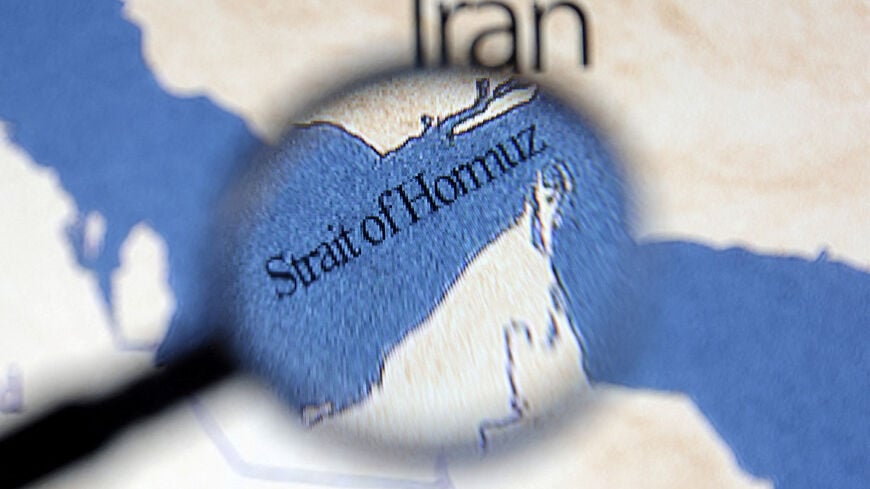 Iran
IranIranian Revolutionary Guard Warns Enemy of Consequences Over Strait Closure
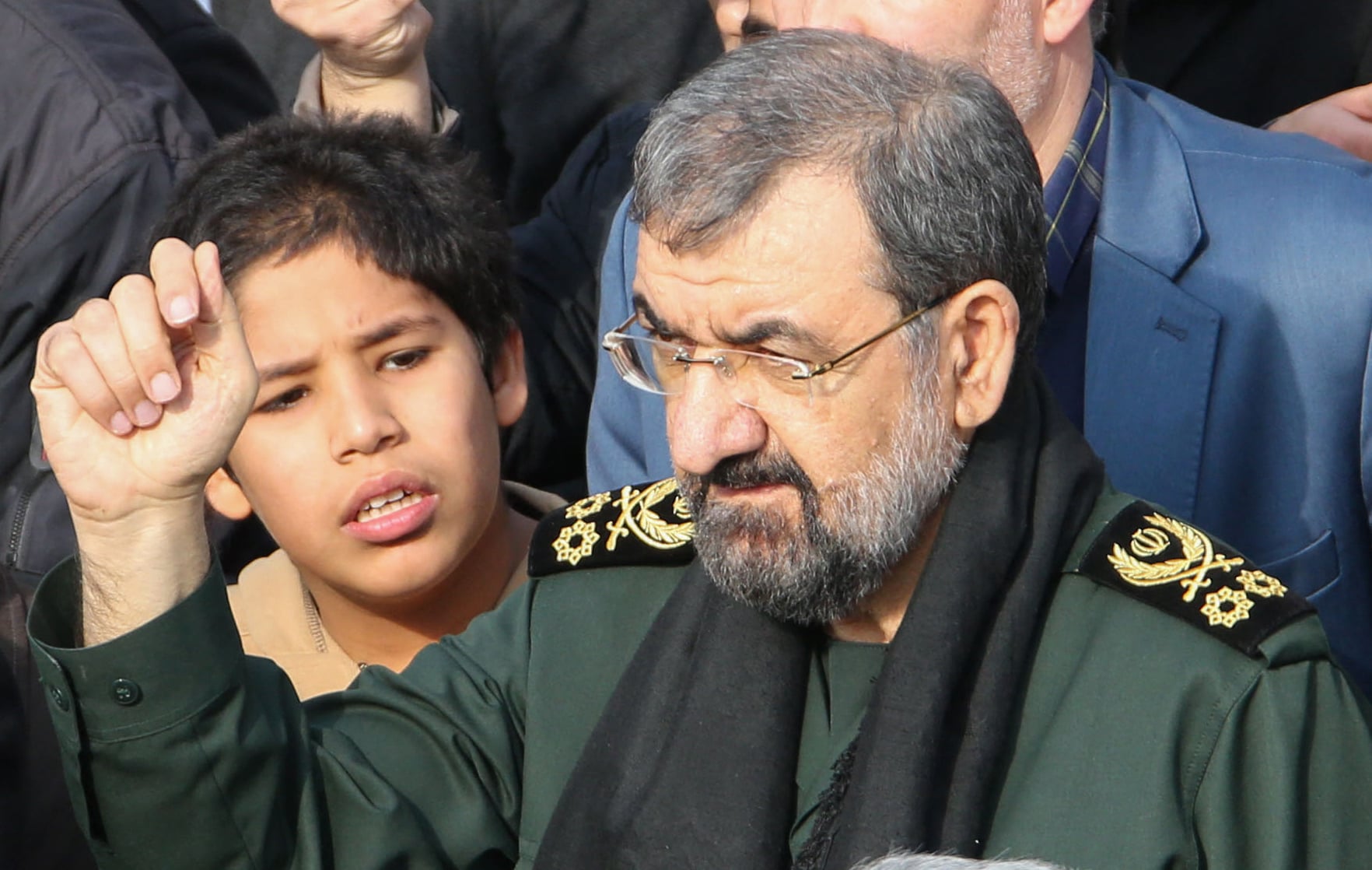 Iran
IranIranian Advisor Mohsen Rezaei Blames Washington for Stalled Tehran Talks
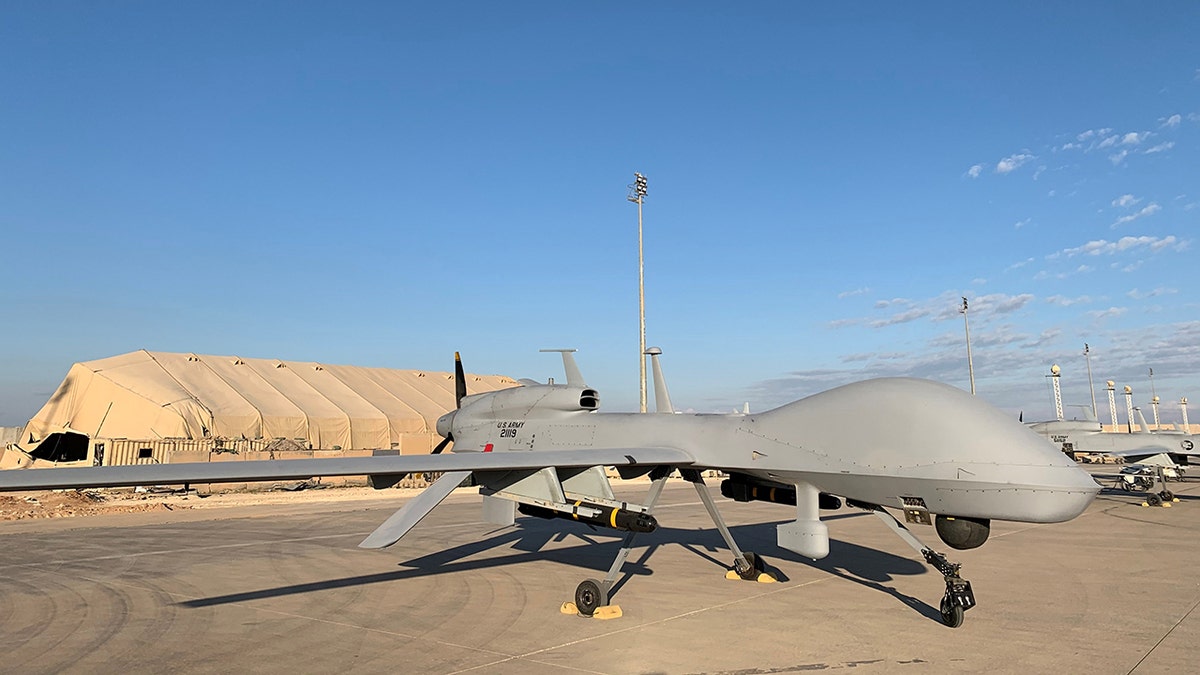 Gulf
GulfUS Central Command Says Second Iranian Drone Attack on Kuwait Bases Failed
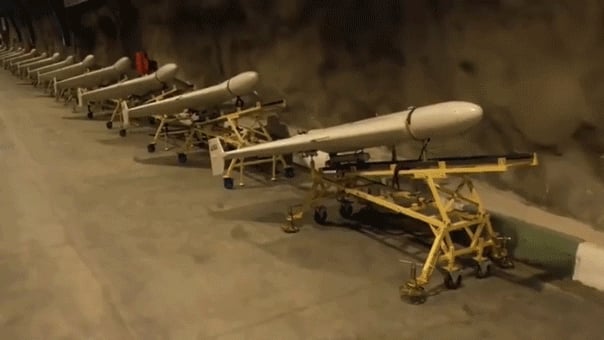 Iran
IranUS Central Command Downs Multiple Iranian Missiles, Suffers No Damage
 Iran
Iran