

Iranian Parliament Head Says They Do Not Trust the Enemy
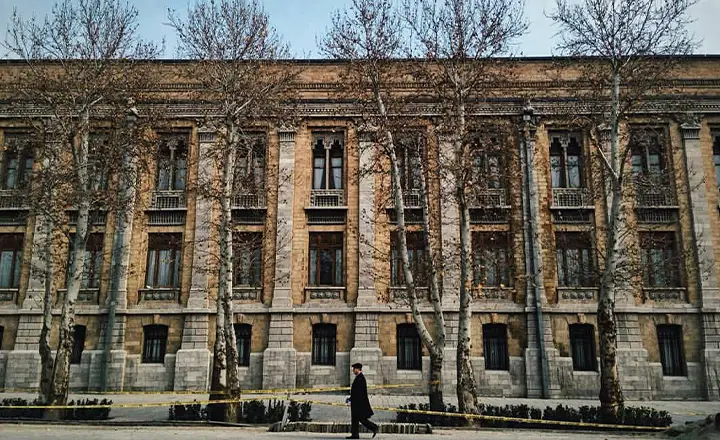
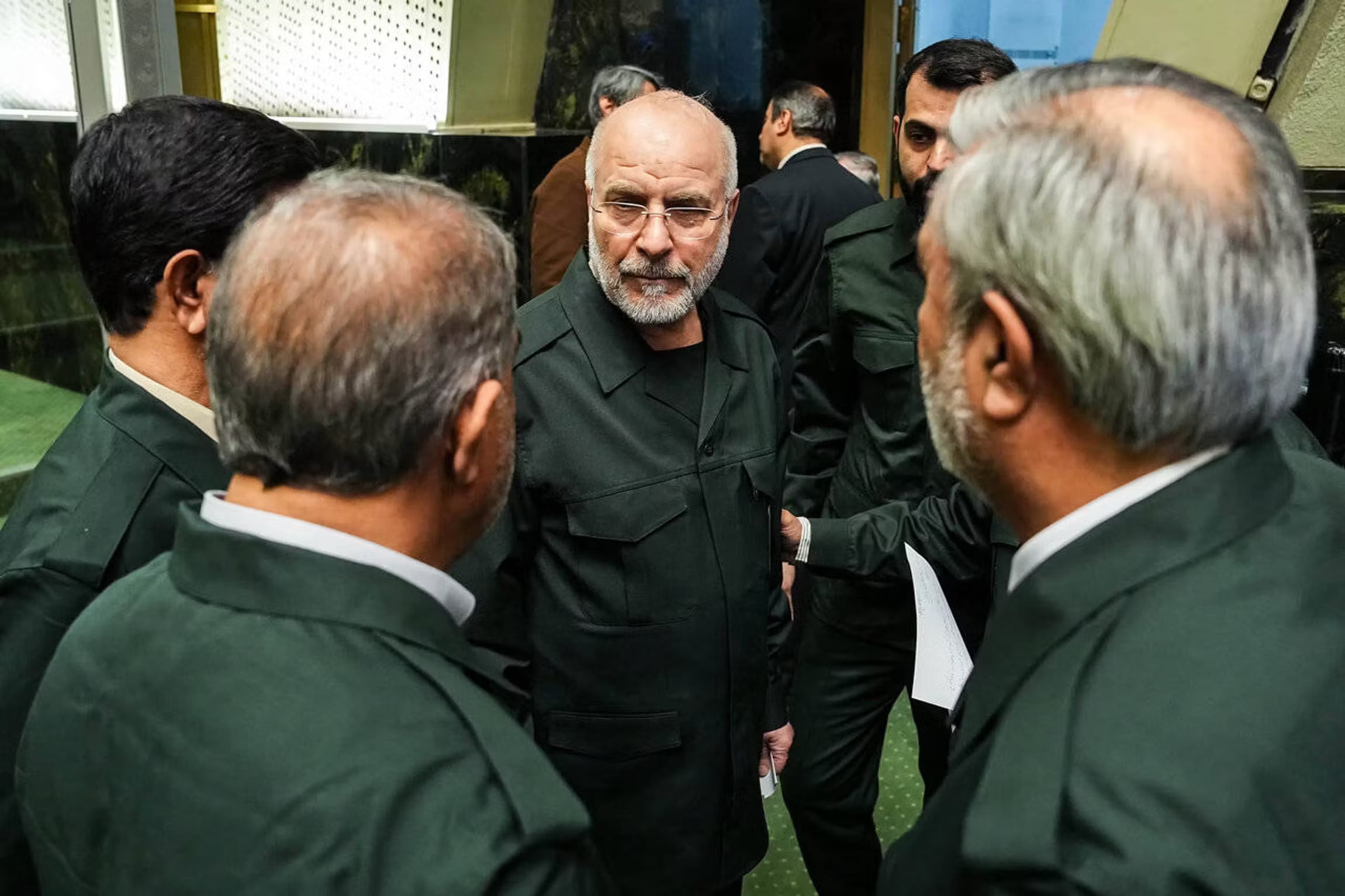
Iran's parliament speaker warned Sunday that Tehran places no trust in what he called "the enemy," cautioning that hostilities could be escalated at any moment, remarks that signal deepening tensions amid ongoing diplomatic efforts over the country's nuclear programme.
Speaker Mohammad Bagher Ghalibaf delivered the statement as Iran and the United States engage in indirect nuclear talks mediated through Oman, a process that Gulf states, including Qatar, have watched with close interest given the potential for regional destabilisation should negotiations collapse.
Ghalibaf's remarks reflect a hardline posture within Iran's political establishment at a moment when Omani diplomats have been shuttling between Tehran and Washington in an attempt to revive a framework agreement. The speaker did not identify the "enemy" by name, though Iranian officials routinely use the term to refer to the United States and Israel.
The statement comes against a backdrop of heightened military rhetoric between Iran and Israel following a series of strikes and counter-strikes in 2024 that brought the two countries to the edge of open conflict. Iran has maintained that its nuclear programme is entirely civilian in nature, while Western governments and Israel have pressed for verifiable limits on uranium enrichment.
For Qatar and the broader Gulf Cooperation Council, the trajectory of Iran-West relations carries direct economic and security implications. Doha has historically maintained working channels with Tehran, sharing maritime boundaries in the world's largest natural gas reservoir, the North Field on the Qatari side and South Pars on the Iranian side. Any escalation in the Gulf would threaten shipping lanes critical to Qatar's liquefied natural gas exports.
Qatar has previously offered its good offices as a diplomatic intermediary, and Doha's relationship with Washington and Tehran simultaneously positions the emirate as a potential stabilising actor should talks reach a critical juncture.
Ghalibaf's warning also arrives as the International Atomic Energy Agency has continued to flag gaps in Iran's cooperation with inspectors, adding pressure on negotiators to produce a credible agreement before technical facts on the ground narrow the diplomatic space further.
Analysts in the region noted that the speaker's language, while confrontational, is consistent with a pattern in which Iranian officials issue hawkish public statements while simultaneously permitting back-channel engagement to continue. Whether the current round of Oman-mediated talks can survive such public posturing remains the central question for Gulf capitals monitoring the negotiations.
النسخة العربية
رئيس البرلمان الإيراني: لا نثق في العدو ففي أي لحظة قد يصعد الحرب
حذّر رئيس البرلمان الإيراني يوم الأحد من أن طهران لا تضع أي ثقة فيما وصفه بـ"العدو"، مُنبّهاً إلى أن التصعيد العسكري قد يقع في أي لحظة، وهي تصريحات تعكس حدة التوترات في وقت تسعى فيه الدبلوماسية إلى إيجاد مخرج من الأزمة النووية المتجددة.
أدلى رئيس البرلمان محمد باقر قاليباف بهذه التصريحات في خضم مفاوضات غير مباشرة تجريها إيران مع الولايات المتحدة بوساطة عُمانية، وهي مفاوضات ترقبتها دول الخليج العربي بما فيها قطر بعين يقظة، إذ يُشكّل انهيارها خطراً جسيماً على الاستقرار الإقليمي.
ولم يُسمّ قاليباف "العدو" صراحةً في تصريحاته، غير أن المسؤولين الإيرانيين يستخدمون هذا المصطلح عادةً في الإشارة إلى الولايات المتحدة وإسرائيل، وتأتي هذه التصريحات في سياق تصاعد حدة الخطاب العسكري منذ جولة التبادلات الصاروخية التي شهدها عام 2024 بين إيران وإسرائيل.
Source tweet
Iran's parliament chief says they don't trust the enemy, warning they could escalate war at any moment.
More Stories
 Iran
IranQatar condemns Iranian attack on Kurdistan region as sovereignty violation
 Gulf
GulfQatar air defence intercepts fresh Iranian missile barrage over Doha
 Iran
IranQatar condemns Iranian attacks on three tankers in Strait of Hormuz
 Iran
IranIranian President Says Opposite Side Changed Stance on Missiles
 Iran
Iran