

Iranian Revolutionary Guard: Regional Water Policy Focuses on Collective Security and Territorial Integrity
Iran's Islamic Revolutionary Guard Corps (IRGC) declared on Thursday that Tehran's policy toward regional waters is anchored in the principles of collective security and respect for the territorial integrity of neighboring states, signaling what officials described as a strategic framework aimed at preserving stability across the Gulf and the wider Middle East. The statement, reported by Al-Araby Television, comes amid heightened maritime tensions and renewed diplomatic engagement between Iran and Arab Gulf states.
A senior IRGC spokesperson said Iran views the security of regional waterways as a shared responsibility that cannot be outsourced to extra-regional powers, repeating a longstanding Iranian position that Gulf security should be managed by littoral states themselves. The remarks emphasized that Iran does not seek confrontation with its neighbors and considers the sovereignty and territorial integrity of all states in the region as foundational to any sustainable security arrangement.
The announcement carries weight given the strategic importance of the Strait of Hormuz, through which roughly a fifth of global oil supplies transit, and the Bab el-Mandeb chokepoint linked to the Red Sea. Tensions in both corridors have spiked over the past two years amid the war in Gaza, Houthi operations against shipping, and intermittent incidents involving commercial vessels in Gulf waters. Iranian officials have repeatedly framed their naval posture as defensive, while Western navies, led by the United States, maintain a heavy presence in the region.
For Qatar, which has positioned itself as a mediator between Tehran and Washington and shares the world's largest natural gas field with Iran, the IRGC statement aligns with Doha's longstanding call for de-escalation and inclusive dialogue in the Gulf. Qatari officials have repeatedly stressed that regional stability requires direct engagement with Iran rather than isolation, a view increasingly echoed by Saudi Arabia and the United Arab Emirates following their respective rapprochements with Tehran.
Gulf Cooperation Council states have in recent months intensified back-channel coordination with Iran on maritime safety, fisheries, and environmental protection in the Gulf, alongside parallel discussions on Yemen and Iraq. Analysts say the IRGC's framing of water policy in terms of collective security reflects an attempt to lock in diplomatic gains achieved since the 2023 China-brokered Saudi-Iranian normalization.
The statement did not reference specific incidents or name external powers, but Iranian officials have in past weeks criticized what they describe as destabilizing foreign military deployments in the Gulf. Tehran continues to call for the formation of a regional security mechanism that includes all eight littoral states and excludes non-regional actors, a proposal Qatar has signaled openness to exploring through quiet diplomacy.
النسخة العربية
الحرس الثوري الإيراني: سياسة طهران تجاه المياه الإقليمية تقوم على الأمن الجماعي ووحدة أراضي الدول
أكد الحرس الثوري الإيراني يوم الخميس أن سياسة طهران تجاه المياه الإقليمية ترتكز على مبدأي الأمن الجماعي واحترام وحدة أراضي الدول المجاورة، في إشارة إلى ما وصفه المسؤولون بإطار استراتيجي يهدف إلى الحفاظ على الاستقرار في الخليج والشرق الأوسط الأوسع. ونقل تلفزيون العربي التصريحات في وقت تتصاعد فيه التوترات البحرية ويتجدد فيه التواصل الدبلوماسي بين إيران ودول الخليج العربية.
وقال متحدث رفيع باسم الحرس الثوري إن إيران تعتبر أمن الممرات المائية الإقليمية مسؤولية مشتركة لا يمكن إسنادها إلى قوى خارجة عن المنطقة، مكرراً موقفاً إيرانياً ثابتاً يقضي بأن أمن الخليج ينبغي أن تديره الدول المطلة عليه. وشدد على أن طهران لا تسعى إلى مواجهة مع جيرانها، وأن سيادة جميع دول المنطقة ووحدة أراضيها تمثل ركيزة لأي ترتيب أمني مستدام.
ويكتسب الإعلان أهمية خاصة بالنظر إلى الموقع الاستراتيجي لمضيق هرمز الذي يمر عبره نحو خُمس إمدادات النفط العالمية، فضلاً عن مضيق باب المندب المرتبط بالبحر الأحمر. وقد شهد الممران توترات متصاعدة خلال العامين الماضيين على خلفية الحرب على غزة، وعمليات الحوثيين ضد الملاحة، وحوادث متفرقة تتعلق بسفن تجارية في مياه الخليج. وتصف إيران موقفها البحري بالدفاعي، فيما تواصل الأساطيل الغربية بقيادة الولايات المتحدة حضوراً مكثفاً في المنطقة.
Source tweet
Iran's Revolutionary Guard emphasizes a policy focused on collective security and respect for the territorial integrity of nations in regional waters. A strategic approach needed to maintain stability and peace in the region.
More Stories
 BREAKING
Iran Conducts Drone Strikes on Iranian Kurdistan Democratic Party Camps in Erbil
 Palestine
Israel Intercepts Gaza-Bound Flotilla in International Waters
 Iran
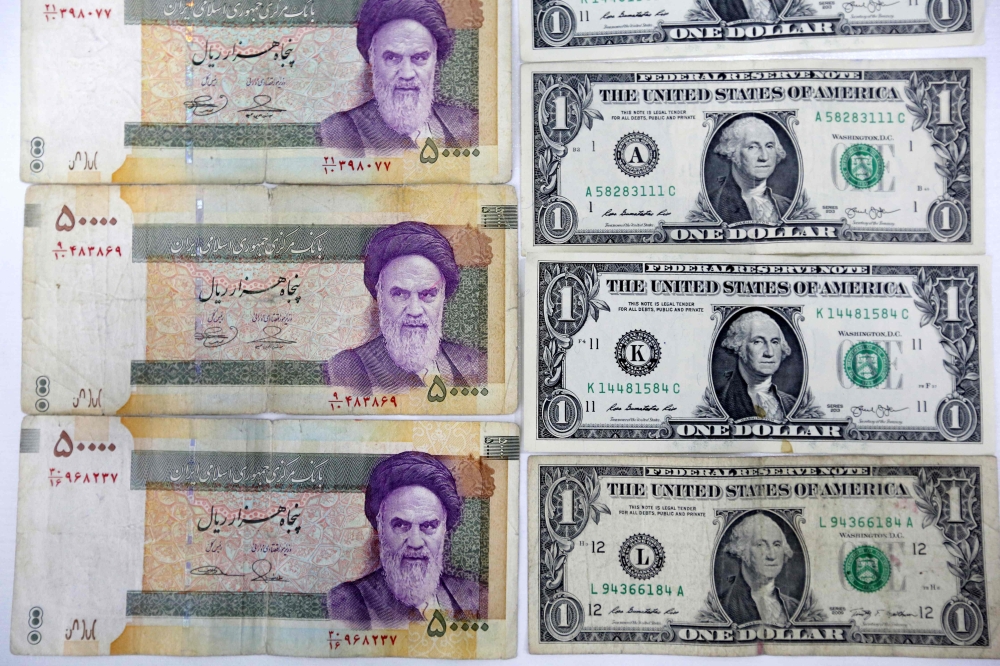
IranIranian Rial Hits 1.8M Per Dollar: Currency Collapse Deepens Post-War Crisis
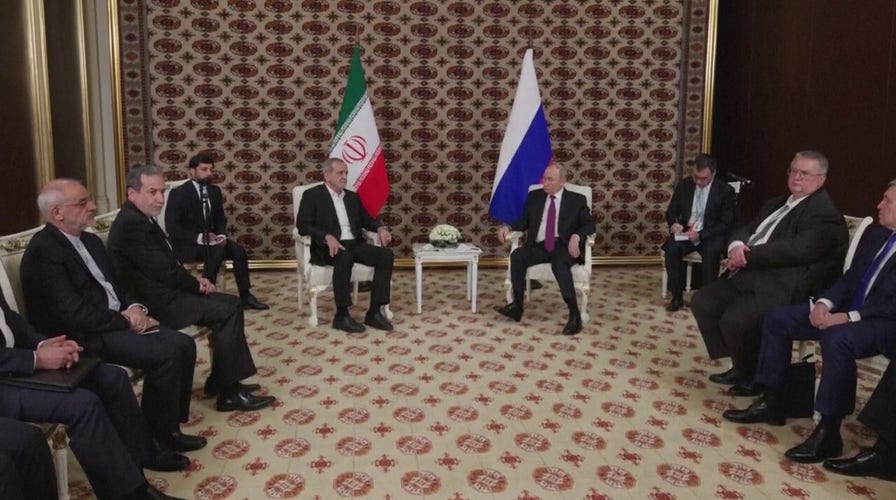
Iranian Official Says Putin Agreement Provides Practical Guarantee
 Iran
Iran